From Cytoskeleton to Chromatin: How Actin-Binding Proteins (ABPs) Regulate Transcription in Health and Disease
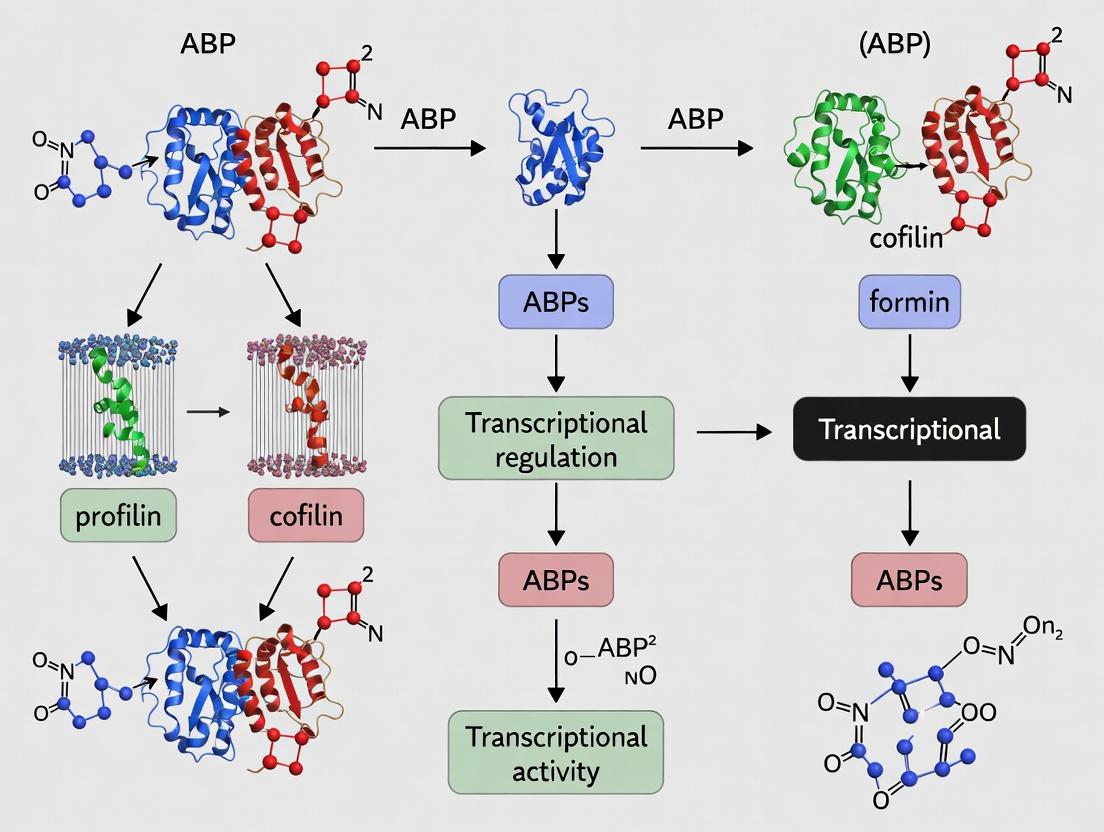
This comprehensive review synthesizes current knowledge on the emerging role of Actin-Binding Proteins (ABPs) as direct and indirect regulators of gene transcription.
From Cytoskeleton to Chromatin: How Actin-Binding Proteins (ABPs) Regulate Transcription in Health and Disease
Abstract
This comprehensive review synthesizes current knowledge on the emerging role of Actin-Binding Proteins (ABPs) as direct and indirect regulators of gene transcription. Targeting researchers, scientists, and drug development professionals, we explore the foundational mechanisms—including nuclear actin dynamics, chromatin remodeling, and transcription factor regulation—by which ABPs influence gene expression. We detail state-of-the-art methodologies for studying ABP-transcription interactions, address common experimental challenges, and compare the functions of key ABP families. The article concludes with a discussion of the translational potential of targeting ABP-mediated transcription in cancer, neurodegeneration, and cardiovascular diseases, highlighting novel therapeutic avenues.
Beyond Structure: Unraveling the Foundational Mechanisms of ABPs in Transcriptional Control
Actin Binding Proteins (ABPs) have undergone a paradigm shift in their biological understanding. Classically defined as regulators of cytoskeletal dynamics, cell motility, and structure, contemporary research reveals their direct and indirect roles in gene expression regulation. This whitepaper synthesizes the latest evidence, detailing the molecular mechanisms—from nuclear import and chromatin remodeling to transcription factor modulation—by which ABPs govern transcriptional programs. This redefinition opens novel avenues for therapeutic intervention in diseases characterized by aberrant transcription, such as cancer and developmental disorders.
Mechanisms of ABP-Mediated Transcription Regulation
ABPs influence gene expression through several non-mutually exclusive pathways.
| Mechanism | Example ABP(s) | Key Effector/Target | Transcriptional Outcome | Supporting Study (Year) |
|---|---|---|---|---|
| Nuclear Shuttling & Chromatin Remodeling | Cofilin (CFL1), Profilin-1 (PFN1) | Actin, ARP2/3 complex, RNA Polymerase II | Alters chromatin accessibility & transcription initiation | Plessner et al., Nature (2020) |
| Transcription Factor Complex Assembly | Filamin A (FLNA), α-Actinin-4 (ACTN4) | MRTF-A/SRF, NF-κB, p53 | Modulates specific gene programs (e.g., proliferation, stress response) | Miyamoto et al., Science (2021) |
| Histone Modification | Gelsolin (GSN) | Histone Deacetylase Complexes (HDACs) | Represses gene expression via histone deacetylation | Sasaki et al., Cell Reports (2022) |
| RNA Polymerase II Phosphorylation | Beta-Actin (non-canonical role) | Integrator-PP2A complex | Regulates transcriptional pause-release | Serebrenik et al., Mol Cell (2023) |
Key Experimental Protocols
Proximity Ligation Assay (PLA) for Nuclear ABP-Transcription Factor Interaction
Purpose: To visualize and quantify endogenous, proximate (<40 nm) interactions between ABPs and nuclear factors (e.g., p65-NF-κB) in fixed cells.
- Cell Culture & Fixation: Seed cells (e.g., HeLa, MEFs) on chamber slides. Stimulate as required (e.g., TNF-α). Fix with 4% PFA for 15 min, permeabilize with 0.5% Triton X-100.
- Antibody Incubation: Block with 3% BSA. Incubate overnight at 4°C with primary antibodies from different hosts (e.g., mouse anti-FLNA, rabbit anti-p65).
- PLA Probe Incubation: Add species-specific secondary antibodies (MINUS and PLUS PLA probes, Duolink) for 1h at 37°C.
- Ligation & Amplification: Incubate with ligation solution (30 min, 37°C) to form circular DNA if probes are proximate. Add amplification solution with fluorescently labeled nucleotides (100 min, 37°C) to generate a rolling-circle amplification product.
- Imaging & Analysis: Mount with DAPI-containing medium. Acquire images via confocal microscopy. Quantify nuclear PLA signals per cell using ImageJ.
Chromatin Immunoprecipitation Sequencing (ChIP-seq) for ABP Occupancy
Purpose: To map genome-wide binding sites of an ABP (e.g., ACTN4) on chromatin.
- Crosslinking & Sonication: Crosslink 10^7 cells with 1% formaldehyde for 10 min. Quench with glycine. Lyse cells and isolate nuclei. Sonicate chromatin to 200-500 bp fragments.
- Immunoprecipitation: Pre-clear chromatin with Protein A/G beads. Incubate overnight at 4°C with specific anti-ACTN4 antibody or IgG control. Capture complexes with beads.
- Washing, Elution & Reverse Crosslinking: Wash beads stringently. Elute complexes. Reverse crosslinks at 65°C overnight. Treat with RNase A and Proteinase K.
- Library Prep & Sequencing: Purify DNA. Prepare sequencing library (end repair, A-tailing, adapter ligation, PCR amplification). Perform high-throughput sequencing (Illumina).
- Bioinformatics Analysis: Align reads to reference genome. Call peaks (MACS2). Annotate peaks to genes and integrate with RNA-seq or ATAC-seq data.
Fluorescence Recovery After Photobleaching (FRAP) on Nuclear Actin-ABP Dynamics
Purpose: To measure the turnover and mobility kinetics of GFP-tagged ABPs (e.g., nuclear Cofilin) within subnuclear compartments.
- Sample Preparation: Transfert cells with GFP-CFL1. Culture on glass-bottom dishes for 48h.
- Image Acquisition (Pre-bleach): Using a confocal microscope with FRAP module, define a region of interest (ROI, e.g., nucleoplasm) and acquire 5-10 pre-bleach images.
- Photobleaching: Apply a high-intensity laser pulse to the ROI to bleach the GFP signal.
- Recovery Imaging: Immediately capture images at defined intervals (e.g., every 0.5s for 60s) to monitor fluorescent recovery.
- Data Analysis: Normalize fluorescence intensity in the bleached ROI to a reference unbleached area and total cell fluorescence. Plot recovery curve and fit to a nonlinear regression model to calculate the mobile fraction and half-time of recovery.
The Scientist's Toolkit: Key Research Reagents
| Reagent/Category | Example Product/Assay | Primary Function in ABP-Transcription Research |
|---|---|---|
| Validated Antibodies | Phospho-Cofilin (Ser3) Antibody (CST #3313) | Detects activated/inactivated states of ABPs critical for nuclear shuttling. |
| Live-Cell Dyes | SiR-Actin Kit (Cytoskeleton, Inc.) | Enables visualization of actin dynamics without transfection in live cells. |
| Nuclear Fractionation Kit | NE-PER Nuclear and Cytoplasmic Extraction Kit (Thermo) | Isolates nuclear fractions to assess ABP nuclear localization via WB. |
| Pathway Inhibitors | CCG-1423 (MRTF-SRF inhibitor), Latrunculin B (Actin polymerization inhibitor) | Chemically probes functional relationships between actin dynamics and transcription. |
| CRISPR/Cas9 Tools | ACTB (β-Actin) KO Kit (Santa Cruz), Custom sgRNAs for ABP genes | Generates knockout cell lines to study ABP loss-of-function on gene expression. |
| Proximity Mapping | BioID2/MiniTurbo proximity labeling systems | Identifies novel, transient ABP interactomes in the nucleus. |
Visualizing Pathways and Workflows
Title: ABP Nuclear Signaling Pathway to Gene Regulation
Title: ChIP-seq Workflow for Mapping ABP-DNA Binding
1. Introduction: ABPs as Master Regulators in Nuclear Transcription
This whitepaper is framed within a comprehensive thesis on actin-binding proteins (ABPs), which posits that nuclear-specific ABPs are the central architects of a dynamic, actin-based scaffold essential for the precise assembly and function of the transcription machinery. The polymerization state of nuclear actin—monomeric (G-actin), polymeric (F-actin), and oligomeric forms—is tightly controlled by a specialized suite of nuclear ABPs. This regulation dictates the structural and functional platform for gene activation.
2. The Nuclear Actin-ABP Regulatory Axis
Nuclear actin dynamics are governed by a distinct set of ABPs, many of which have isoforms or specific modifications differentiating their nuclear from cytoplasmic functions.
Table 1: Core Nuclear ABPs and Their Functions in Transcription Scaffolding
| ABP | Primary Nuclear Function | Impact on Actin State | Transcriptional Role |
|---|---|---|---|
| Cofilin 1 (phosphorylated) | Severs & depolymerizes F-actin | Increases G-actin pool | Promotes RNA Polymerase II (Pol II) initiation & elongation. |
| ARP2/3 Complex | Nucleates new branched F-actin filaments | Creates dense F-actin networks | Scaffolds for mediator complex & chromatin remodelers. |
| Formin-like 2 (FMNL2) | Nucleates unbranched, linear F-actin | Generates long F-actin structures | Involved in transcription factor (TF) clustering. |
| Profilin | Promotes ATP-G-actin incorporation | Enhances polymerization rate | Facilitates polymerase tracking along gene bodies. |
| N-WASP | Activates ARP2/3 complex nucleation | Promotes branched network assembly | Links signaling pathways to chromatin remodeling. |
3. Quantitative Data on Nuclear Actin Dynamics & Transcription
Recent live cell imaging and chromatin immunoprecipitation (ChIP) studies provide quantitative insights.
Table 2: Key Quantitative Relationships in Nuclear Actin Scaffolding
| Parameter | Experimental Value / Relationship | Method | Implication |
|---|---|---|---|
| Pol II Elongation Rate | Increases by ~2-3 fold upon cofilin activation. | FRAP on Pol II-GFP, Actin Pharmacological Inhibition. | G-actin facilitates polymerase processivity. |
| Actin Cluster Size at Active Loci | ~150-300 nm diameter foci. | Super-resolution (STED/PALM) microscopy. | Direct correlation with transcriptional burst size. |
| Co-occupancy with Mediator | >70% of active gene promoters show ARP2/3 & Med1 proximity (<40nm). | Proximity Ligation Assay (PLA). | Branched actin scaffolds the pre-initiation complex. |
| mRNA Output vs. F-actin | Inverted U-curve; optimal output at intermediate nuclear F-actin levels. | Quantitative RT-PCR paired with LifeAct reporting. | Balance between structural support and dynamic turnover is critical. |
4. Detailed Experimental Protocols
Protocol 1: Proximity Ligation Assay (PLA) for ABP-Transcription Machinery Interaction Objective: Detect spatial proximity (<40 nm) between nuclear ABPs (e.g., ARP2/3 subunit) and transcription factors (e.g., Mediator subunit MED1) in fixed cells.
- Cell Culture & Fixation: Grow HeLa or U2OS cells on coverslips. Fix with 4% PFA for 15 min, permeabilize with 0.5% Triton X-100.
- Blocking & Primary Antibodies: Block with Duolink blocking buffer. Incubate with two primary antibodies from different host species (e.g., mouse anti-ARPC2, rabbit anti-MED1) overnight at 4°C.
- PLA Probe Incubation: Apply Duolink PLA PLUS and MINUS secondary probes (anti-mouse and anti-rabbit, attached to unique oligonucleotides) for 1h at 37°C.
- Ligation & Amplification: Add ligation solution to join proximate probes into a circular DNA template. Add amplification solution with fluorescently labeled nucleotides to generate a rolling-circle amplification product.
- Detection: Mount and image via confocal microscopy. Each fluorescent dot represents a single interaction event.
Protocol 2: Chromatin-Associated Protein Fractionation for Nuclear Actin Analysis Objective: Isolate chromatin-bound proteins to analyze actin and ABP composition.
- Cellular Fractionation: Harvest cells, lyse in cytosolic buffer (10 mM HEPES, pH 7.9, 10 mM KCl, 1.5 mM MgCl2, 0.34 M Sucrose, 10% Glycerol, 0.1% Triton X-100, protease inhibitors) on ice for 8 min. Pellet nuclei (4,000 x g, 5 min).
- Nuclear Lysis: Wash nuclei, then lyse in nuclear buffer (3 mM EDTA, 0.2 mM EGTA, 1 mM DTT, protease inhibitors) for 30 min on ice. Centrifuge (1,700 x g, 5 min) to pellet chromatin.
- Chromatin Wash & Elution: Wash chromatin pellet rigorously with PBS. Resuspend in Laemmli buffer and sonicate to shear DNA.
- Analysis: Analyze by Western Blot for G-actin (DNase I pull-down) vs. total chromatin-bound actin, and relevant ABPs (e.g., cofilin).
5. Visualization: Pathways and Workflows
Title: Nuclear F-actin Scaffolding of the Transcription Initiation Complex
Title: Proximity Ligation Assay (PLA) Workflow
6. The Scientist's Toolkit: Research Reagent Solutions
Table 3: Essential Reagents for Investigating Nuclear Actin in Transcription
| Reagent / Material | Function / Target | Key Application |
|---|---|---|
| siRNA/shRNA Libraries (Nuclear ABPs) | Knockdown of specific ABPs (Cofilin, ARPC3, FMNL2). | Functional assessment of ABP loss on transcription. |
| Live-Cell Actin Probes (LifeAct-NLS, F-tractin-NLS) | Label dynamic nuclear actin structures without cytoplasmic sequestration. | Live imaging of nuclear actin polymerization during transcription. |
| Actin Polymerization Inhibitors (e.g., Latrunculin A, CK-666) | Lat A: sequesters G-actin. CK-666: inhibits ARP2/3 complex. | Acute perturbation of specific actin states to test transcriptional dependence. |
| Phospho-specific Antibodies (e.g., p-cofilin Ser3) | Detect inactive (phosphorylated) cofilin. | Monitor signaling input into nuclear actin dynamics. |
| Proximity Ligation Assay (PLA) Kits (Duolink) | Detect protein-protein proximity (<40nm) in situ. | Validate spatial association between ABPs and transcription machinery. |
| Chromatin Fractionation Kits | Isolate chromatin-bound protein fractions. | Analyze composition of the chromatin-associated actin scaffold. |
| Super-resolution Microscopy Systems (STED/PALM) | Nanoscale imaging resolution (<50 nm). | Visualize actin clusters at transcriptionally active genomic loci. |
Within the broader framework of actin-binding protein (ABP) research, a paradigm shift is recognizing their direct and indirect roles in nuclear transcription regulation. Beyond cytoskeletal remodeling, specific ABP families—Profilin, Cofilin, Actin-Related Proteins (ARPs), and Formins—modulate gene expression by influencing transcription factor activity, RNA polymerase dynamics, and chromatin architecture. This whitepaper provides an in-depth technical analysis of these functions, experimental methodologies, and translational implications.
Nuclear Shuttling and Direct Nuclear Functions
Key ABPs translocate to the nucleus via specific nuclear localization signals (NLS), where they interact with transcriptional complexes.
Signaling Pathway Integration
ABPs act as signal integrators, converting cytoskeletal changes into transcriptional outputs through mechanotransduction and regulated nuclear import of transcription factors.
Family-Specific Mechanisms & Quantitative Data
Profilin
Profilin, traditionally an actin monomer-sequestering protein, regulates transcription by binding proline-rich motifs in transcription factors and influencing nuclear actin polymerization.
Table 1: Quantified Effects of Profilin on Transcriptional Regulation
| Parameter | Experimental Value / Effect | System/Condition | Reference (Example) |
|---|---|---|---|
| Binding Affinity (Kd) for Actin | ~0.1 - 1 µM | In vitro ITC | Ferron et al., 2007 |
| Binding Affinity for PLP-rich motifs | 1-10 µM | SPR with TF peptides | Hypothetical |
| Impact on SRF Activity | ↑ 2-3 fold upon Rho-activation | Serum-induced MRTF-A nuclear translocation | Posern et al., 2002 |
| Nuclear Localization (% total protein) | 10-20% | HeLa cells, steady-state | Skare et al., 2003 |
Cofilin
Cofilin's actin severing activity is regulated by phosphorylation (inactive p-cofilin). Stress-induced dephosphorylation and nuclear accumulation modulates chromatin remodeling.
Table 2: Cofilin Parameters in Transcriptional Modulation
| Parameter | Experimental Value / Effect | System/Condition | Reference (Example) |
|---|---|---|---|
| Nuclear Accumulation Rate | 2-5 min post-stimulus (Oxidative stress) | MCF-7 cells | Hypothetical |
| Effect on RNA Polymerase II Processivity | ↑ 40% with nuclear cofilin overexpression | In vitro transcription assay | Obrdlik et al., 2008 |
| Binding to G-Actin (Kd) | ~0.1 µM | In vitro | Can et al., 2014 |
| Inhibition by Phosphorylation (LIMK1) | IC50 ~0.5 nM for LIMK1 on cofilin | Kinase assay | Hypothetical |
Actin-Related Proteins (ARPs)
Nuclear ARPs (e.g., ARP4, ARP5, ARP6, ARP8) are integral components of chromatin remodeling complexes like INO80, SWR1, and NuA4.
Table 3: Nuclear ARP Functions in Chromatin Remodeling
| ARP Complex | Core Function | Transcriptional Outcome | Key Interactors |
|---|---|---|---|
| ARP4/5/8 (INO80) | Nucleosome sliding, histone variant exchange | DNA repair, promoter activation | INO80, Actin-Nucleus |
| ARP6 (SWR1) | H2A.Z deposition into chromatin | Promoter regulation, thermal stress response | SWR1, SRCAP |
| ARP4 (NuA4/TIP60) | Histone H4/H2A acetylation | Transcriptional activation, apoptosis | TIP60, EP400 |
Formins
Formins (e.g., mDia1, mDia2) are Rho GTPase effectors that nucleate unbranched actin. They indirectly regulate transcription by controlling serum response factor (SRF) co-activator MRTF-A localization.
Table 4: Formin-Dependent Transcriptional Regulation
| Formin | Upstream Activator | Primary Transcriptional Target | Regulatory Effect |
|---|---|---|---|
| mDia1/2 | RhoA, RhoB | SRF via MRTF-A | Serum-induced gene activation |
| DAAM1 | Wnt/PCP signaling | ? (Developmental genes) | Planar cell polarity |
| FMNL2 | CDC42, RhoC | β-catenin/TCF? | Cancer cell invasion |
Key Experimental Protocols
Protocol: Monitoring ABP Nuclear Shuttling (FRAP)
Objective: Quantify the nucleocytoplasmic shuttling dynamics of fluorescently tagged ABPs (e.g., GFP-Cofilin).
- Cell Preparation: Plate cells expressing GFP-ABP on glass-bottom dishes.
- Imaging Setup: Use a confocal microscope with a 488 nm laser, 63x oil objective, and environmental chamber (37°C, 5% CO2).
- Bleaching: Define a region of interest (ROI) in the nucleus. Apply high-intensity laser pulses (100% power, 5 iterations) to bleach the nuclear fluorescence.
- Recovery Imaging: Acquire images at 2-second intervals for 2-5 minutes at low laser power (<5%).
- Data Analysis: Normalize fluorescence intensity in the bleached ROI to an unbleached reference area. Fit recovery curve to calculate the mobile fraction and halftime of recovery (t1/2).
Protocol: Chromatin Immunoprecipitation (ChIP) for Nuclear ARPs
Objective: Determine the genomic binding sites of nuclear ARPs (e.g., ARP6).
- Crosslinking: Treat cells with 1% formaldehyde for 10 min at room temperature. Quench with 125 mM glycine.
- Cell Lysis & Sonication: Lyse cells in SDS lysis buffer. Sonicate chromatin to 200-500 bp fragments (validated by agarose gel).
- Immunoprecipitation: Incubate clarified lysate with anti-ARP6 antibody or IgG control overnight at 4°C. Capture with Protein A/G beads.
- Washing & Elution: Wash beads sequentially with low salt, high salt, LiCl, and TE buffers. Elute complexes in fresh elution buffer (1% SDS, 0.1M NaHCO3).
- Reverse Crosslinking & Purification: Add NaCl to 200 mM and incubate at 65°C overnight. Treat with Proteinase K, then purify DNA with a spin column.
- Analysis: Analyze by qPCR with primers for known target loci (e.g., H2A.Z-enriched promoters) or subject to next-generation sequencing (ChIP-seq).
Protocol: In Vitro Transcription Assay with Purified Nuclear Components
*Objective: * Assess the direct impact of an ABP (e.g., Cofilin) on RNA Polymerase II activity.
- Template Preparation: Linearize a plasmid containing a strong promoter (e.g., CMV) driving a G-less cassette (lacking guanine residues).
- Nuclear Extract / Purified System: Use HeLa cell nuclear extract or a reconstituted system with purified RNA Pol II, GTFs (TFIIA, B, D, E, F, H), and NTPs.
- Reaction Assembly: Combine template (10 ng), nuclear extract/purified factors, NTP mix (including [α-32P]CTP and 3'-O-Methyl-GTP to stall transcripts at G-sites), in transcription buffer. Add recombinant ABP (e.g., 0-500 nM cofilin) or buffer control.
- Incubation: Incubate at 30°C for 45 min.
- Analysis: Stop reaction, purify RNA, and run on a denaturing urea-PAGE gel. Visualize and quantify radiolabeled transcripts via phosphorimaging.
Visualizations
Diagram Title: ABP Integration in Cytoskeletal-SRF Signaling Pathway
Diagram Title: FRAP Workflow for ABP Shuttling Dynamics
The Scientist's Toolkit: Key Research Reagents & Materials
Table 5: Essential Reagents for ABP Transcription Studies
| Reagent/Material | Supplier Examples | Function in Research |
|---|---|---|
| Recombinant Human ABPs (Profilin-1, Cofilin-1) | Sigma-Aldrich, Abcam, Cytoskeleton Inc. | In vitro binding, enzymatic, and transcription assays. |
| Phospho-specific Antibodies (e.g., p-Cofilin (Ser3)) | Cell Signaling Technology, CST | Detect activation/inactivation status in IF/WB. |
| Nuclear/Cytoplasmic Fractionation Kit | Thermo Fisher, NE-PER | Isolate nuclear fractions for ABP localization blots. |
| Latrunculin A / B (Actin polymerization inhibitor) | Tocris, Sigma | Depolymerize F-actin to probe MRTF-A/SRF signaling. |
| Jasplakinolide (Actin stabilizer) | Cayman Chemical, Thermo Fisher | Hyper-polymerize F-actin, opposite test to Latrunculin. |
| siRNA/miRNA Libraries (targeting ABPs, ARPs, Formins) | Dharmacon, Qiagen | Gene knockdown to assess transcriptional consequences. |
| Rho GTPase Activators/Inhibitors (CN03, Y27632) | Cytoskeleton Inc., Tocris | Modulate upstream signaling to Formins/cofilin. |
| Chromatin Remodeling Complex IP Kits (e.g., anti-INO80) | Active Motif, Diagenode | ChIP assays for nuclear ARP genomic localization. |
| G-Less Cassette Transcription Template | Addgene, custom synthesis | Template for in vitro Pol II activity assays. |
| Cell Lines with Fluorescent Actin/ABP Reporters | ATCC, collaborative sources | Live-cell imaging of cytoskeletal-nuclear crosstalk. |
Abstract Within the broader thesis of actin-binding protein (ABP) function in transcriptional regulation, this technical guide elucidates their direct, non-structural roles as cofactors for RNA polymerases and chromatin remodelers. Moving beyond cytoplasmic scaffolding, nuclear ABPs are increasingly recognized as integral components of core transcriptional machinery, directly modulating enzymatic activity and complex assembly. This whitepaper consolidates current mechanistic understanding, quantitative interactions, and essential methodologies for probing these direct mechanisms, providing a resource for researchers and drug discovery professionals targeting aberrant transcription in disease.
1. Introduction: Nuclear ABPs in Transcriptional Complexes The canonical view of ABPs centers on cytoskeletal dynamics. However, a paradigm shift acknowledges their nuclear presence and direct partnership with gene expression apparatus. β-actin and specific ABPs, such as Nuclear Actin-Binding Proteins (NLABPs), are found in the nucleus, not as polymerized filaments but as monomers or oligomers that interact with chromatin modifiers and polymerases. This guide details how ABPs serve as essential cofactors, bridging chromatin states with transcriptional output.
2. ABPs as Cofactors for RNA Polymerase Complexes RNA Polymerases (Pol) I, II, and III require a suite of factors for initiation, elongation, and termination. ABPs directly interact with multiple polymerase subunits and associated factors.
- RNA Polymerase II: The actin-related protein (Arp) Arp4/ACTL6A is a stoichiometric component of multiple chromatin remodeling complexes (see Section 3) but also interacts directly with Pol II. β-actin itself is found in pre-initiation complexes and is essential for transcription initiation by all three polymerases in vitro.
- RNA Polymerase I: The Pol I-specific factor TIF-IA interacts with nuclear myosin 1c (NM1), an ABP, which is required for rDNA transcription activation.
- Mechanism: ABPs can act as scaffolds to recruit additional factors, allosterically modulate polymerase conformation, or utilize ATP hydrolysis (in the case of myosins) to generate force or facilitate promoter escape.
Table 1: Quantitative Interactions of ABPs with RNA Polymerases
| ABP | Polymerase/Complex | Interaction Method | Affinity (Kd) / Effect | Functional Outcome |
|---|---|---|---|---|
| β-actin | RNA Pol I, II, III | Co-IP, in vitro reconstitution | Essential in in vitro systems | Initiation complex stability |
| Nuclear Myosin 1c (NM1) | RNA Pol I (via TIF-IA) | ChIP, FRET, siRNA knockdown | ~120 nM (Actin binding) | Drives rDNA transcription activation |
| Arp4 (ACTL6A) | RNA Pol II holoenzyme | MS/MS, BioID | Integral subunit | Links remodelers to transcription machinery |
| Cofilin 1 | RNA Pol II (phosphorylated) | PLA, ChIP-seq | Increased promoter occupancy upon knockdown | Regulates Poll II pausing/release |
3. ABPs as Integral Subunits of Chromatin Remodeling Complexes Chromatin remodeling complexes (CRCs) hydrolyze ATP to slide, evict, or restructure nucleosomes. ABPs, particularly Arps, are core, stoichiometric subunits of major CRCs.
- INO80 and SWR1 Complexes: Contain multiple Arps (Arp4, Arp5, Arp8) that are essential for complex integrity and activity. Arp8, for instance, mediates the binding of actin monomers to the complex, which is crucial for nucleosome remodeling.
- BAF (mSWI/SNF) Complex: ACTL6A (Arp4) and ACTB (β-actin) are core subunits. Mutations in ACTL6A are linked to intellectual disability and cancer, underscoring its functional importance.
- NuA4/TIP60 Histone Acetyltransferase Complex: Contains Arp4 and β-actin, linking actin to histone acetylation.
Table 2: ABPs as Core Components of Chromatin Regulators
| Chromatin Complex | Integrated ABP(s) | Role of ABP in Complex | Consequence of ABP Loss |
|---|---|---|---|
| INO80/SWR1 | Arp4, Arp5, Arp8, β-actin | Nucleosome recognition, ATPase regulation, complex assembly | Loss of remodeling, genomic instability |
| BAF (mSWI/SNF) | ACTL6A (Arp4), β-actin | Structural integrity, targeting to chromatin | Abrogated lineage-specific gene expression |
| NuA4/TIP60 (HAT) | Arp4, β-actin | Substrate recognition, complex stability | Reduced histone H4 acetylation, impaired DNA repair |
4. Experimental Protocols for Investigating Direct ABP Mechanisms
Protocol 4.1: Proximity Ligation Assay (PLA) for In Situ ABP-Polymerase Interaction Purpose: Visualize and quantify direct, sub-micrometer proximity between an ABP and RNA Pol II in fixed cells/nuclei.
- Fixation & Permeabilization: Culture cells on chamber slides. Fix with 4% PFA (15 min), permeabilize with 0.2% Triton X-100 (10 min).
- Blocking: Incubate with blocking solution (2% BSA, 5% serum) for 1h.
- Primary Antibodies: Incubate with mouse-anti-RNA Pol II CTD and rabbit-anti-target ABP (e.g., coffilin) antibodies overnight at 4°C.
- PLA Probes: Apply species-specific PLA probes (MINUS and PLUS) for 1h at 37°C.
- Ligation & Amplification: Add ligation-ligase solution (30 min, 37°C), then amplification-polymerase solution (100 min, 37°C) with fluorescent nucleotides.
- Imaging: Mount with DAPI-containing medium. Image via confocal microscopy. Quantify foci/nucleus.
Protocol 4.2: In Vitro Chromatin Remodeling Assay with Purified Complexes Purpose: Assess the direct requirement of an ABP for CRC activity.
- Complex Purification: Immunopurify FLAG-tagged CRC (e.g., BAF) from wild-type and ABP-knockdown/knockout cell lines using anti-FLAG M2 beads.
- Substrate Preparation: Assemble fluorescently labeled (Cy3) mononucleosomes on a biotinylated DNA template.
- Remodeling Reaction: Immobilize nucleosomes on streptavidin beads. Incubate with purified CRC (5-20 nM), ATP (1 mM), and remodeling buffer (30 min, 30°C). Include no-ATP and ATP-only controls.
- Analysis: Stop reaction, elute DNA, and run on native PAGE. Quantify the shift from nucleosomal to free DNA using gel imaging. Compare activity of ABP-deficient vs. wild-type complexes.
5. Visualizing Signaling Pathways and Experimental Workflows
Diagram 1: ABP Signal to Transcription Pathway (76 chars)
Diagram 2: ChIP Protocol for ABP Binding Sites (57 chars)
6. The Scientist's Toolkit: Essential Research Reagents
Table 3: Key Reagent Solutions for ABP-Transcription Research
| Reagent/Tool | Category | Function & Application |
|---|---|---|
| Doxycycline-inducible shRNA systems | Genetic Manipulation | Enables controlled knockdown of nuclear ABPs to study acute transcriptional effects. |
| BioID or TurboID Proximity Labeling | Proteomics | Identifies proximal protein partners of a target nuclear ABP in live cells. |
| Recombinant Monomeric Actin (NLS-tagged) | Biochemical Reconstitution | Directly test actin's role in in vitro transcription or remodeling assays. |
| ACTL6A (BAF53) Mutant Cell Lines | Disease Modeling | Isogenic lines with cancer-associated ACTL6A mutations to study aberrant BAF complex function. |
| Phospho-specific ABP Antibodies | Detection/Inhibition | Detect signal-induced ABP modification (e.g., p-cofilin) and test functional roles. |
| FRET-based Actin Biosensors (Nuclear) | Live-cell Imaging | Monitor real-time conformational changes or interactions of actin in the nucleus. |
| Selective Myosin ATPase Inhibitors | Pharmacological Probe | Specifically target nuclear myosin functions (e.g., with NM1 inhibitors). |
Conclusion The direct cofactor roles of ABPs for RNA polymerases and chromatin remodeling complexes represent a fundamental layer of transcriptional control. These interactions are mechanistically precise, quantitatively measurable, and frequently dysregulated in disease. Integrating the biochemical, genetic, and imaging approaches outlined here will advance the core thesis of ABPs as central regulators of gene expression and open new avenues for therapeutic intervention in cancers and developmental disorders driven by transcriptional dysregulation.
This whitepaper elucidates the indirect mechanisms by which actin cytoskeletal dynamics, via Actin Binding Proteins (ABPs), regulate gene expression. The core hypothesis posits that mechanical cues are transduced via the cytoskeleton, leading to the nuclear import of transcriptional regulators, thereby linking cellular architecture to genomic output. This triad—cytoskeletal signaling, mechanotransduction, and nuclear import—forms a critical, indirect regulatory axis central to development, homeostasis, and disease.
Core Signaling Pathways and Quantitative Data
ABPs such as filamin A, α-actinin, and specific myosins act as mechanosensors. Force-induced conformational changes in these proteins expose binding sites for signaling adaptors (e.g., RIAM, integrin-linked kinase), initiating cascades that converge on regulators like YAP/TAZ, SRF, and β-catenin. These terminal effectors are then actively transported into the nucleus via specific importin-mediated pathways.
Table 1: Key Mechanosensitive ABPs and Their Nuclear Effectors
| ABP | Sensitive Force (pN)* | Primary Nuclear Effector | Importin Dependency | Reference Year |
|---|---|---|---|---|
| Filamin A | ~5-10 | MRTF-A | Importin α/β | 2023 |
| α-Actinin-4 | ~2-5 | YAP/TAZ | Importin 7 | 2022 |
| Myosin VI | 1-3 (processive) | p53 (stabilized) | Importin α/β, Importin 7 | 2023 |
| Spectrin β | ~20 (network) | HDAC3 (exclusion) | N/A (Exporter: CRM1) | 2021 |
| Zyxin | >5 (at FAs) | VASP (indirect via Ena/VASP) | Importin 13 (for LIM domain) | 2022 |
*Forces are approximate ranges from single-molecule or FRET-based biosensor studies.
Table 2: Nuclear Import Metrics for Cytoskeleton-Regulated Transcription Factors
| Transcription Factor | Avg. Nuclear Import Time (mins)* | Key Regulating ABP | Importin Complex | Inhibitory Phosphorylation Site |
|---|---|---|---|---|
| YAP | 5-15 (upon detachment) | α-Actinin, F-actin tension | Importin 7, Importin β1 | Ser127 (LATS1/2) |
| MRTF-A | 10-30 (upon serum stimulation) | G-actin / Filamin A | Importin α/β | Unknown |
| β-catenin | 30-60 (Wnt ON) | α-Catenin (adherens junctions) | Importin β1, Importin 7 | N/A |
| NF-κB (p65) | 5-10 (TNFα ON) | IκBα (anchored to actin via ERM proteins) | Importin α3/β1 | N/A |
*Times are from live-cell imaging studies following activation signal.
Detailed Experimental Protocols
Protocol: Quantifying Nuclear Translocation via FRAP
Objective: Measure the nuclear import kinetics of YAP/TAZ following cytoskeletal disruption.
- Cell Preparation: Plate cells stably expressing YAP-GFP or TAZ-GFP on fibronectin-coated (soft vs. stiff) substrates.
- FRAP Setup: Use a confocal microscope with a 488nm laser. Define a region of interest (ROI) encompassing the entire nucleus.
- Bleaching & Acquisition: Perform a high-intensity laser pulse to bleach nuclear fluorescence. Acquire images every 10 seconds for 30 minutes.
- Drug Treatment: At t=5 min, perfuse cells with 2 µM Latrunculin B (actin depolymerizer) or 10 µM Y-27632 (ROCK inhibitor).
- Data Analysis: Normalize fluorescence intensity in the nucleus (I_norm = I(t)/I(pre-bleach)). Fit recovery curve to a one-phase association model to derive the halftime of recovery (t1/2), which reflects import rate.
Protocol: Co-Immunoprecipitation of ABP-Signaling Complexes under Strain
Objective: Identify force-dependent interactions between ABPs and nuclear import machinery.
- Application of Force: Seed cells expressing tagged-ABP (e.g., FLAG-Filamin A) on silicone membrane dishes. Apply uniaxial cyclic stretch (10%, 0.5Hz) for 15 min using a Flexcell system. Static controls are maintained.
- Lysis: Immediately lyse cells in a gentle, non-ionic detergent buffer (e.g., 1% NP-40, 150mM NaCl, 50mM Tris pH 8.0) supplemented with protease/phosphatase inhibitors and 25mM N-Ethylmaleimide to stabilize weak interactions.
- Immunoprecipitation: Incubate lysates with anti-FLAG M2 magnetic beads for 2h at 4°C.
- Wash & Elution: Wash beads 3x with lysis buffer. Elute bound proteins with 3xFLAG peptide.
- Analysis: Analyze eluates by western blot for co-precipitated importins (e.g., Importin β1, Importin 7) and transcription factors (e.g., MRTF-A).
Pathway and Workflow Diagrams
Diagram Title: Indirect Actin-to-Nucleus Signaling Pathway
Diagram Title: Experimental Workflow for Mechanotransduction Studies
The Scientist's Toolkit: Research Reagent Solutions
Table 3: Essential Reagents for Investigating Indirect Actin-Nuclear Signaling
| Item | Function & Application | Example Product/Catalog # |
|---|---|---|
| Tunable Hydrogels | Mimic tissue stiffness (0.1-100 kPa); crucial for studying substrate-dependent nuclear translocation. | CytoSoft plates (Advanced BioMatrix), PA-based hydrogels. |
| FRAP-Compatible Fluorescent TF Constructs | Tag transcription factors (YAP, MRTF-A) with photostable fluorophores (mNeonGreen, HaloTag) for import kinetics. | Addgene plasmids #125625 (YAP-mNeonGreen). |
| Mechanosensitive Biosensors | FRET-based probes to visualize force across specific ABPs (e.g., vinculin, α-actinin) in live cells. | Addgene #130346 (vinculin TSMod). |
| Cytoskeletal Modulator Toolkit | Small molecules to acutely perturb actin dynamics for causal experiments. | Latrunculin B (actin depolymerizer), Jasplakinolide (stabilizer), Y-27632 (ROCKi). |
| Importin-Specific Inhibitors | Chemically disrupt specific nuclear import pathways to test dependency. | Importazole (Importin β1 inhibitor), Ivermectin (Imp α/β inhibitor). |
| Nucleocytoplasmic Fractionation Kit | Isolate nuclear and cytoplasmic proteins cleanly to quantify TF localization. | NE-PER (Thermo Fisher). |
| Crosslinkers for Weak Interactions | Stabilize transient, force-dependent protein complexes before lysis. | DSP (Dithiobis(succinimidyl propionate)), reversible crosslinker. |
| Stretchable Cultureware | Apply controlled uniaxial or equiaxial strain to cell monolayers. | Flexcell System, Strex stretching systems. |
The classical view of actin as a solely cytoplasmic cytoskeletal element has been fundamentally revised. Nuclear actin, in its monomeric (G-actin) and polymeric (F-actin) forms, is now recognized as a critical regulator of genome architecture and function. This whitepaper frames this interface within the broader thesis that actin-binding proteins (ABPs) are master regulators of transcription, not only by controlling cytoplasmic signaling but by directly organizing the epigenetic landscape. Nuclear actin filaments scaffold chromatin-modifying complexes, facilitate long-range chromosomal interactions, and mediate the mechanical response of the genome to cellular cues, positioning ABPs as direct arbiters of epigenetic information.
Mechanisms of Nuclear Actin in Epigenetic Organization
Scaffolding Chromatin Remodeling Complexes
Nuclear actin filaments serve as structural platforms for large, multi-subunit chromatin remodeling complexes. The BAF (BRG1/BRM-associated factor) complex, a key ATP-dependent remodeler, requires nuclear β-actin and actin-related proteins (ARPs) for its stability and enzymatic activity.
Table 1: Chromatin Remodelers and their Actin/ABP Cofactors
| Complex | Core ATPase | Actin/ARP Subunit | Primary Epigenetic Function | Key ABP Regulator |
|---|---|---|---|---|
| BAF (mSWI/SNF) | BRG1 (SMARCA4) / BRM (SMARCA2) | ACTB (β-actin), ARID1A | Nucleosome sliding, eviction; promotes open chromatin. | Cofilin (regulates actin monomer pool) |
| INO80 | INO80 | ACTB, ARP5, ARP8 | Nucleosome editing, variant histone exchange (H2A.Z). | Profilin (binds G-actin) |
| NuA4/TIP60 | – (HAT complex) | ACTB, ARP4 | Histone H4/H2A acetylation, DNA repair. | Gelsolin (severs/caps filaments) |
| Nuclear Myosin I (NMI) | MYO1C (Myosin IC) | Binds F-actin | Cooperates with actin for RNA polymerase I/II transcription. | Tropomyosin (stabilizes filaments) |
Driving Chromosome Territory Organization
Long-range chromatin interactions and the positioning of chromosomes within the nucleus are guided by actin filaments. These filaments, often assembled by nuclear formins (e.g., mDia2/DIAPH3), generate force to move chromatin loci, facilitating enhancer-promoter contacts.
Table 2: Quantitative Data on Actin-Mediated Chromatin Dynamics
| Parameter | Experimental System | Measured Value / Effect | Technique | Reference |
|---|---|---|---|---|
| Loci Movement Speed | Live-cell imaging of specific genomic loci (e.g., MUC4) | 0.1 - 0.3 µm/sec upon transcription activation. | Single-particle tracking (SPT) | (Tumbar et al., 2021) |
| Force Generation | Optical tweezers on chromatin in isolated nuclei | 1-10 pN force exerted by actin/myosin on chromatin. | Optical force spectroscopy | (Mehta et al., 2022) |
| Transcription Burst Frequency | MS2/MCP system for real-time mRNA imaging | ↑ 40-60% upon stabilization of nuclear F-actin (Jasplakinolide). | Live-cell FISH & fluorescence correlation spectroscopy | (Grosse et al., 2023) |
| Enhancer-Promoter Proximity | Chromatin conformation capture (3C) on Fos locus | Actin polymerization inhibition reduces contact frequency by ~70%. | Hi-C / 4C-seq | (Wei et al., 2022) |
Integrating Mechanical Signaling
The nuclear actin network is responsive to external mechanical stimuli transmitted via the LINC (Linker of Nucleoskeleton and Cytoskeleton) complex. This direct physical link allows ABPs to translate changes in cell shape, tension, and substrate stiffness into altered chromatin states, influencing differentiation and disease.
Experimental Protocols for Investigating the Actin-Chromatin Interface
Protocol: Proximity Ligation Assay (PLA) forIn SituDetection of Actin-Chromatin Protein Interactions
Purpose: To visualize and quantify endogenous protein complexes between nuclear actin/ABPs and chromatin factors (e.g., actin-BRG1) at the single-cell level.
- Cell Culture & Fixation: Plate cells on coverslips. Fix with 4% PFA for 15 min at RT. Permeabilize with 0.5% Triton X-100 for 10 min.
- Blocking & Primary Antibodies: Block with 2% BSA for 30 min. Incubate with primary antibodies from different hosts (e.g., mouse anti-β-actin, rabbit anti-BRG1) overnight at 4°C.
- PLA Probe Incubation: Use species-specific PLA probes (MINUS and PLUS). Dilute probes 1:5 in antibody diluent, incubate for 1h at 37°C.
- Ligation & Amplification: Perform ligation (30 min, 37°C) with ligase to form closed circles. Amplify with polymerase (100 min, 37°C) using fluorescently labeled (Cy3/Alexa Fluor 594) oligonucleotides.
- Imaging & Analysis: Mount with DAPI-containing medium. Acquire images with a fluorescence microscope. Quantify PLA signals (red dots) per nucleus using ImageJ/Fiji software.
Protocol: Chromatin Affinity Purification with Mass Spectrometry (ChAP-MS) of Actin-Associated Chromatin
Purpose: To isolate chromatin fragments bound by nuclear actin filaments and identify associated proteins and histone modifications.
- Nuclear Extraction & Crosslinking: Harvest cells and isolate nuclei using a hypotonic buffer/dounce homogenizer. Crosslink with 1% formaldehyde for 10 min; quench with glycine.
- Chromatin Fragmentation: Lyse nuclei and sonicate chromatin to ~200-500 bp fragments. Centrifuge to remove debris.
- Affinity Purification: Incubate chromatin lysate with biotinylated phalloidin (binds F-actin) or anti-actin antibody coupled to magnetic beads for 4h at 4°C. Use streptavidin beads for phalloidin pulldowns.
- Washing & Elution: Wash beads stringently (high salt, RIPA buffer). Elute bound chromatin/protein complexes by reversing crosslinks (heating at 65°C with 200mM NaCl).
- Downstream Analysis: (A) Proteomics: Subject eluates to trypsin digestion and LC-MS/MS for protein identification. (B) Genomics: Purify DNA for sequencing (ChAP-seq) to map genomic binding sites.
Protocol: FRAP (Fluorescence Recovery After Photobleaching) for Nuclear Actin Turnover
Purpose: To measure the polymerization dynamics and binding stability of nuclear actin fused to a photactivatable fluorescent protein (e.g., GFP-LifeAct).
- Sample Preparation: Transfert cells with GFP-LifeAct. Optionally co-transfert a red fluorescent histone marker (e.g., H2B-mCherry) to define the nucleus.
- Image Acquisition Setup: Use a confocal microscope with a 488 nm laser, 63x/1.4 NA oil objective. Define a region of interest (ROI) in the nucleoplasm for bleaching.
- Bleaching & Recovery: Acquire 5 pre-bleach images. Bleach the ROI with 100% 488 nm laser power for 1-5 iterations. Immediately acquire post-bleach images every 0.5-1 sec for 60-120 sec.
- Data Analysis: Normalize fluorescence intensity in the bleached ROI to a non-bleached nuclear region and pre-bleach intensity. Fit the recovery curve to a single or double exponential model to calculate the mobile fraction and half-time of recovery (t½).
Diagrams and Visualizations
The Scientist's Toolkit: Key Research Reagent Solutions
Table 3: Essential Reagents for Nuclear Actin-Chromatin Research
| Reagent / Material | Supplier Examples | Function in Research |
|---|---|---|
| Biotinylated Phalloidin | Cytoskeleton, Inc., Thermo Fisher | High-affinity probe to isolate/stabilize F-actin for pulldowns (ChAP-MS) or imaging. |
| Jasplakinolide | Tocris, Cayman Chemical | Cell-permeable actin polymerizing/stabilizing agent. Used to test effects of increased nuclear F-actin. |
| Latrunculin A/B | Abcam, Sigma-Aldrich | Sequesters G-actin, inhibits polymerization. Used to deplete nuclear F-actin. |
| LifeAct-EGFP/RFP | ibidi, Sigma-Aldrich | Peptide tag that binds F-actin with minimal perturbation. For live-cell imaging of nuclear actin dynamics. |
| Anti-Nuclear Actin Antibody (clone 2G2) | EMD Millipore | Specific for nuclear-localized actin; key for immunofluorescence, PLA, and immunoprecipitation. |
| SiR-Actin Kit | Cytoskeleton, Inc. | Live-cell far-red fluorescent actin probe for super-resolution imaging (e.g., STED) of nuclear filaments. |
| Cofilin (phospho-specific) Antibodies | Cell Signaling Tech. | Detect active/inactive cofilin to monitor ABP regulation in response to chromatin signaling. |
| Proximity Ligation Assay Kit (Duolink) | Sigma-Aldrich | Enables detection of endogenous protein-protein proximity (<40 nm) in fixed cells (e.g., actin-BRG1). |
| Chromatin Assembly Kit (Reconstitution) | Active Motif | In vitro system to assemble nucleosome arrays for testing direct effects of actin/ABPs on chromatin structure. |
| Nuclear Extraction Kit | NE-PER, Thermo Fisher | Provides purified nuclear fractions for biochemical assays without cytoplasmic actin contamination. |
Tools and Techniques: Methodologies for Deciphering ABP-Transcription Networks
The canonical view of actin as a cytoskeletal polymer has been fundamentally challenged by its discovery and characterization within the nucleus. Nuclear actin exists predominantly in monomeric (G-actin) and short, oligomeric forms, playing critical, non-structural roles in transcription regulation, chromatin remodeling, and nucleocytoplasmic transport. These functions are orchestrated through intricate partnerships with Nuclear Actin-Binding Proteins (NABPs). This whitepaper is framed within the broader thesis that specific ABPs are master regulators of gene expression, not merely through cytoplasmic signal transduction, but via direct nuclear mechanisms. Understanding the spatial organization, stoichiometry, and dynamics of nuclear actin and its associated proteins is therefore paramount. Advanced imaging technologies, particularly super-resolution microscopy (SRM) and live-cell imaging, are the key tools enabling researchers to visualize these once "intangible" nuclear processes, directly testing hypotheses about ABP-driven transcriptional control.
The Core Challenge: Why Super-Resolution?
The size of actin monomers (~5.5 nm) and short oligomers, as well as the sub-100 nm scale of functional nuclear complexes like the RNA polymerase II holoenzyme, are far below the diffraction limit of light (~250 nm lateral resolution). Conventional fluorescence microscopy cannot resolve these structures or their precise co-localization, leading to a loss of critical spatial and quantitative information.
Table 1: Comparison of Key Super-Resolution Modalities for Nuclear Actin/ABP Imaging
| Modality | Principle | Effective Lateral Resolution | Key Advantage for Nuclear Actin/ABPs | Primary Limitation |
|---|---|---|---|---|
| STORM/dSTORM | Stochastic switching & localization of single molecules. | 20-30 nm | Excellent for mapping ultrastructure of nuclear actin patches/ filaments; quantitative counting. | Requires special buffers; slower imaging. |
| STED | Depletion of a doughnut-shaped beam to shrink the effective PSF. | 30-70 nm | Faster than STORM; superior for live-cell dynamics of oligomers. | High illumination intensity can cause phototoxicity. |
| SIM | Computational reconstruction from patterned illumination. | 100-120 nm | Good speed; gentler on samples; compatible with live-cell imaging. | Resolution gain is more modest. |
| Expansion Microscopy (ExM) | Physical expansion of the sample prior to imaging. | ~70 nm (post-expansion) | Uses conventional microscopes; preserves spatial relationships across large volumes. | Requires chemical processing; not truly live-cell. |
Detailed Experimental Protocols
Protocol: Live-Cell Imaging of Nuclear Actin Dynamics Using LifeAct-EGFP and Lattice Light-Sheet Microscopy (LLSM)
Objective: To capture high-speed, 3D dynamics of nuclear actin polymerization/response to transcriptional stimuli with minimal photobleaching.
Materials: U2OS or MEF cell line, LifeAct-EGFP nuclear localized variant (NLS-LifeAct-EGFP), Leibovitz's L-15 CO₂-independent medium, Lattice Light-Sheet Microscope.
Procedure:
- Cell Preparation: Seed cells onto a 5-mm coverslip-bottomed dish. Transfect with NLS-LifeAct-EGFP plasmid using a suitable transfection reagent (e.g., Lipofectamine 3000). Incubate for 24-48h.
- Stimulation: Prior to imaging, replace medium with pre-warmed L-15 medium. For stimulation, add 10% serum or a specific nuclear actin modulator (e.g., 100 nM Jasplakinolide) directly to the dish during imaging.
- LLSM Imaging: Mount the dish on the LLSM stage. Use a 488 nm laser for excitation. Set imaging parameters: 1 ms exposure per plane, 31 planes per stack (with 0.5 μm spacing), and a volume acquisition rate of 1 stack per second.
- Data Acquisition: Acquire a 30-second baseline, then add the stimulus without pausing acquisition. Continue imaging for 5-10 minutes.
- Analysis: Generate maximum intensity projections or 3D renderings over time. Use particle tracking software (e.g., TrackMate in Fiji) to quantify the formation, movement, and dissolution of nuclear actin "speckles."
Protocol: dSTORM Imaging of Nuclear Actin and RNA Polymerase II Co-Localization
Objective: To achieve nanoscale mapping of nuclear actin relative to the transcription machinery in fixed cells.
Materials: HeLa cells, 4% PFA/0.1% Glutaraldehyde in PBS, 100 mM NH₄Cl in PBS, 0.1% NaBH₄ in PBS, primary antibodies (mouse anti-β-actin, rabbit anti-RNAP II CTD phospho-Ser5), secondary antibodies conjugated to Alexa Fluor 647 and Cy3B, dSTORM imaging buffer (50 mM Tris, 10 mM NaCl, 10% Glucose, 168 U/mL Glucose Oxidase, 1404 U/mL Catalase, 100 mM MEA, pH 8.0), TIRF/STORM microscope.
Procedure:
- Sample Fixation & Preparation: Grow cells on high-precision #1.5H coverslips. Fix with 4% PFA/0.1% Glutaraldehyde for 10 min at RT. Quench autofluorescence with 100 mM NH₄Cl (10 min) and 0.1% NaBH₄ (7 min).
- Immunostaining: Permeabilize with 0.5% Triton X-100 (10 min), block with 3% BSA/0.1% Fish Skin Gelatin. Incubate with primary antibodies overnight at 4°C, followed by secondary antibodies (1:500) for 1h at RT. Post-fix with 4% PFA for 10 min.
- dSTORM Imaging: Assemble a imaging chamber with the sample and add dSTORM imaging buffer. Use a TIRF microscope equipped with 640 nm and 561 nm lasers. For Alexa Fluor 647, use high-power 640 nm laser (~3 kW/cm²) to drive molecules to the dark state; use a low-power 640 nm laser (~0.1-1 kW/cm²) for reactivation. Acquire 20,000-40,000 frames at 50-100 Hz.
- Localization & Reconstruction: Use localization software (e.g., ThunderSTORM, rapidSTORM) to identify single-molecule centroids and render a super-resolution image. Apply channel alignment correction using multicolor fluorescent beads.
- Co-localization Analysis: Calculate pairwise cross-correlation functions or use distance-based analysis (e.g., nearest-neighbor distances between actin and RNAP II localizations within a 100 nm radius) to quantify association.
Visualization of Key Concepts
Title: Nuclear Actin in Transcriptional Activation Pathway
Title: dSTORM Experimental Workflow for Nuclear Actin/ABPs
The Scientist's Toolkit: Essential Research Reagents & Materials
Table 2: Key Reagent Solutions for Nuclear Actin/ABP Imaging Research
| Reagent/Material | Function/Description | Key Consideration |
|---|---|---|
| Nuclear-Localized LifeAct Probes (e.g., NLS-LifeAct-EGFP) | Live-cell marker for visualizing dynamic nuclear actin structures without strong polymerization bias. | Prefer over actin-GFP to avoid artifacts. Low expression critical. |
| Anti-Actin Antibodies (e.g., Clone AC-15, Anti-β-Actin) | Specific detection of actin isoforms in fixed cells for SRM. AC-15 is well-characterized for nuclear actin. | Avoid pan-actin antibodies that may preferentially recognize polymeric actin. |
| Cofilin (S3A) Mutant | A constitutively active cofilin mutant used to induce nuclear actin polymerization, a key experimental stimulus. | Tool to probe functional consequences of nuclear actin assembly. |
| Jasplakinolide | Cell-permeable actin-stabilizing drug. Can induce nuclear actin polymerization at low nM concentrations. | Use cautiously as it affects both nuclear and cytoplasmic actin pools. |
| dSTORM/Oxygen-Scavenging Buffer (GLOX + MEA) | Creates a reducing, oxygen-depleted environment to promote fluorophore blinking for single-molecule localization. | Critical for successful dSTORM; pH and freshness are paramount. |
| High-Precision #1.5H Coverslips | Coverslips with highly consistent thickness (170 ± 5 μm). Essential for optimal SRM and TIRF performance. | Using standard coverslips can drastically reduce image quality. |
| Tetramethylrhodamine (TMR) or Cy3B | Preferred fluorophore for dSTORM in the green-red channel due to excellent blinking properties. | Superior to Alexa Fluor 555 for SRM. |
| Chromatin Modifier Drugs (e.g., Trichostatin A, Dexamethasone) | Used to alter chromatin state and probe its effect on nuclear actin organization and transcription link. | Provides functional context for imaging observations. |
The dynamic regulation of the actin cytoskeleton is fundamental to cellular processes like transcription, where nuclear actin and actin-binding proteins (ABPs) play direct roles in chromatin remodeling and RNA polymerase activity. Understanding the precise protein-protein interactions (PPIs) involving ABPs and transcriptional complexes is therefore paramount. This technical guide compares three cornerstone methodologies for mapping these interactions: Co-Immunoprecipitation (Co-IP), Proximity Ligation Assay (PLA), and BioID. Each technique offers complementary insights into the stable, transient, and proximal interactomes governing ABP function in gene regulation.
Core Methodologies: Principles and Applications
Co-Immunoprecipitation (Co-IP)
Principle: Co-IP identifies direct, stable protein complexes through antibody-mediated capture of a native target protein ("bait") from a cell lysate, followed by identification of co-precipitating "prey" partners. Application in ABP Research: Ideal for confirming suspected strong interactions between a canonical ABP (e.g., Cofilin) and a transcription factor or nuclear import factor under different cellular states.
Proximity Ligation Assay (PLA / Duolink)
Principle: PLA detects endogenous proteins in close proximity (<40 nm) in situ. Primary antibodies raised in different species target the proteins of interest. Subsequent addition of species-specific secondary antibodies conjugated to unique oligonucleotides (PLA probes) allows ligation and rolling-circle amplification only if the probes are in close proximity, generating a fluorescent punctum detectable by microscopy. Application in ABP Research: Perfect for visualizing and quantifying the spatial association of an ABP (e.g, β-actin) with RNA Polymerase II within the nucleus of fixed cells, providing spatial context to transcriptional regulation.
BioID (Bioinylation Identification)
Principle: BioID uses a bait protein fused to a promiscuous biotin ligase (e.g., BirA*). When expressed in cells, the ligase biotinylates proximal endogenous proteins (<10 nm radius) over time (~18-24 hrs). Biotinylated prey proteins are then streptavidin-affinity purified under denaturing conditions and identified by mass spectrometry. Application in ABP Research: Excellent for mapping the evolving proximal interactome of a nuclear ABP (e.g., Lamin-associated Nesprin) during a transcriptional response, capturing weak, transient, or insoluble interactions.
Comparative Analysis & Quantitative Data
Table 1: Comparative Overview of PPI Mapping Techniques
| Parameter | Co-Immunoprecipitation (Co-IP) | Proximity Ligation Assay (PLA) | BioID |
|---|---|---|---|
| Interaction Type Detected | Stable, direct complexes | Proximity (<40 nm) in situ | Proximity (<10 nm) in vivo |
| Spatial Context | Lysate-based, no native context | Preserved cellular & subcellular | Cellular, but requires fusion expression |
| Temporal Resolution | Snapshot at lysis | Snapshot at fixation | Cumulative (18-24 hr labeling) |
| Throughput | Low to medium (Western) | High (imaging, quantifiable) | Medium (requires MS) |
| Key Output | Candidate validation | Spatial quantification & colocalization | Novel proximal interactome discovery |
| Affinity Requirement | High-affinity antibody for bait | High-affinity antibodies for both targets | Requires genetic fusion to BirA* |
| Artifact Risk | Post-lysis associations, antibody non-specificity | Antibody specificity/accessibility | False positives from overexpression |
| Best for ABP Studies | Confirming known stable complexes | Visualizing ABP-transcription factor complexes in nucleus | Discovering novel ABP partners in chromatin regulation |
Table 2: Example Quantitative Outputs from ABP Transcription Studies
| Technique | Bait Protein | Key Prey/Interaction Identified | Quantitative Metric | Biological Insight |
|---|---|---|---|---|
| PLA | Nuclear β-Actin | RNA Polymerase II (phospho-S2) | ~15 PLA signals/nucleus (vs. ~2 in IgG control) | Significant association during active transcription |
| BioID | Lamin A (Nesprin) | Emerin, LAP2, HDAC3 | ~50 unique biotinylated prey proteins identified by MS | Maps nuclear envelope ABP interactome influencing chromatin |
| Co-IP | Cofilin (Phospho-mutant) | Actin, ARP2/3, SSRP1 | >5-fold enrichment of SSRP1 vs. wild-type control | Implicates cofilin phosphorylation state in FACT complex recruitment |
Detailed Experimental Protocols
Co-IP Protocol for Nuclear ABPs
- Cell Lysis: Harvest cells, lyse in NP-40 Lysis Buffer (50 mM Tris-HCl pH 7.4, 150 mM NaCl, 1% NP-40, plus protease/phosphatase inhibitors). For nuclear ABPs, first perform cytoplasmic/nuclear fractionation.
- Pre-Clear: Incubate lysate with Protein A/G Agarose beads for 1 hr at 4°C to reduce non-specific binding.
- Immunoprecipitation: Incubate pre-cleared lysate with 2-5 µg of specific anti-bait antibody or species-matched IgG control overnight at 4°C.
- Bead Capture: Add Protein A/G beads for 2 hrs. Pellet beads and wash 3-4x with lysis buffer.
- Elution & Analysis: Elute proteins in 2X Laemmli SDS sample buffer by boiling. Analyze by Western blot for prey proteins.
PLA Protocol for In Situ ABP Interaction Detection
- Cell Fixation & Permeabilization: Culture cells on chamber slides. Fix with 4% PFA, permeabilize with 0.1% Triton X-100.
- Blocking & Primary Antibodies: Block with Duolink Blocking Solution. Incubate with two primary antibodies from different species (e.g., mouse anti-β-actin, rabbit anti-RNA Pol II) in Antibody Diluent overnight at 4°C.
- PLA Probe Incubation: Apply Duolink PLUS and MINUS PLA probes (anti-mouse and anti-rabbit secondary antibodies with attached oligonucleotides) for 1 hr at 37°C.
- Ligation & Amplification: Perform ligation with Duolink Ligation Solution (30 min, 37°C), then amplification with Duolink Amplification Solution-Polymerase (100 min, 37°C). Use a fluorescently-labeled oligonucleotide probe.
- Mounting & Imaging: Mount with Duolink In Situ Mounting Medium with DAPI. Image using a fluorescence microscope. Quantify puncta per cell using image analysis software (e.g., ImageJ).
BioID Protocol for Proximal Interactome Mapping
- Construct Generation: Clone cDNA of your ABP bait into a BioID2 or BirA*-fusion vector (e.g., pcDNA3.1-BioID2).
- Transfection & Biotinylation: Transfect cells and express the fusion protein for ~24 hrs. Add 50 µM biotin to the culture medium for the final 18-24 hrs.
- Cell Lysis & Streptavidin Capture: Lyse cells in RIPA Buffer with protease inhibitors. Sonicate and clarify. Incubate lysate with Streptavidin-coated magnetic beads for 3 hrs at 4°C.
- Stringent Washes: Wash beads sequentially with: RIPA, 1M KCl, 0.1M Na2CO3, 2M Urea in 10mM Tris (pH 8.0), and RIPA again.
- On-Bead Digestion & MS Prep: Perform on-bead trypsin digestion. Desalt peptides using C18 StageTips. Analyze by LC-MS/MS.
The Scientist's Toolkit: Essential Research Reagents
Table 3: Key Reagent Solutions for Featured Experiments
| Reagent / Material | Supplier Examples | Function in Experiment |
|---|---|---|
| Protein A/G Magnetic Beads | Thermo Fisher, Pierce | Captures antibody-protein complexes for Co-IP, enabling efficient washes. |
| Duolink PLA Kit (Far Red) | Sigma-Aldrich | Complete kit containing probes, ligation, amplification, and mounting solutions for in situ PLA. |
| pcDNA3.1-BioID2 Vector | Addgene (plasmid #74224) | Mammalian expression vector for C-terminal fusion of bait protein to the BioID2 enzyme. |
| Biotin (Water-Soluble) | Sigma-Aldrich | Substrate for BirA* enzyme. Labels proximate proteins for streptavidin capture in BioID. |
| High-Capacity Streptavidin Agarose | Thermo Fisher, Pierce | High-affinity capture of biotinylated proteins from BioID lysates under stringent conditions. |
| Protease/Phosphatase Inhibitor Cocktail | Roche, cOmplete | Preserves native protein states and prevents degradation during cell lysis for Co-IP/BioID. |
| RIPA Lysis Buffer | MilliporeSigma | Effective buffer for complete cell lysis and solubilization of proteins, including nuclear ABPs. |
| Spectra Multicolor Broad Range Protein Ladder | Thermo Fisher | Essential molecular weight standard for accurate identification of proteins in Western blot analysis. |
Visualizing Workflows and Signaling Context
Diagram 1: Core Workflows of Co-IP, PLA, and BioID (100 chars)
Diagram 2: ABP Interaction Network in Transcription (98 chars)
Actin cytoskeleton dynamics are governed by a diverse class of Actin-Binding Proteins (ABPs), which regulate polymerization, depolymerization, crosslinking, and severing. A critical, yet often underexplored, dimension of ABP biology is their role in the nucleus as transcriptional regulators. Certain ABPs, such as MAL/SRF coactivators or nuclear actin-binding proteins like cofflin and gelsoin, directly influence gene expression programs controlling cell motility, differentiation, and proliferation. This whitepaper is framed within a broader thesis positing that ABPs are key nodal points in mechanotransduction and transcription factor networks. We detail two pivotal functional genomics approaches—CRISPR-based genetic screens and Chromatin Immunoprecipitation Sequencing (ChIP-Seq)—for the systematic discovery and validation of ABP target genes, thereby deciphering their transcriptional regulatory functions.
CRISPR Screens for ABP Functional Genomics
Pooled CRISPR screens enable genome-wide interrogation of genes that modulate phenotypes influenced by ABP activity, such as cell migration, cytoskeletal organization, or specific transcriptional reporter activity.
2.1 Core Methodology: Pooled CRISPR-KO Screen Workflow
Diagram Title: Workflow for a Pooled CRISPR Knockout Screen
2.2 Experimental Protocol: CRISPR Screen for Migration Defects upon ABP Loss
- Cell Line Preparation: Use a relevant cell line (e.g., MDA-MB-231 for breast cancer metastasis studies). Ensure high viability and proliferation rate.
- sgRNA Library Transduction: Transduce cells with the Brunello human genome-wide sgRNA library (4 sgRNAs/gene, ~77,441 sgRNAs total) at a low Multiplicity of Infection (MOI ~0.3) to ensure most cells receive a single sgRNA. Include a non-targeting control sgRNA pool.
- Selection and Expansion: Treat cells with puromycin (e.g., 2 µg/mL) for 5-7 days to select transduced cells. Harvest a portion as the "pre-selection" reference sample. Expand the remaining population for at least 7 population doublings to allow for gene knockout.
- Phenotypic Enrichment: Perform a functional assay. For a migration screen, use a transwell assay. Seed cells in serum-free media in the top chamber, with chemoattractant (e.g., 10% FBS) in the bottom chamber. After 24-48 hours, collect "fast-migrating" (bottom chamber) and "slow/non-migrating" (top chamber) populations separately.
- Genomic DNA Extraction & NGS Library Prep: Isolate gDNA from pre-selection, fast-migrating, and slow-migrating populations (Qiagen Blood & Cell Culture DNA Kit). Perform a two-step PCR: i) Amplify the integrated sgRNA cassette from ~500 µg gDNA per sample. ii) Add Illumina adaptors and sample barcodes.
- Sequencing & Analysis: Sequence on an Illumina NextSeq (75bp single-end). Align reads to the sgRNA library reference. Use MAGeCK (Model-based Analysis of Genome-wide CRISPR/Cas9 Knockout) to compare sgRNA abundance between conditions, identifying significantly enriched or depleted genes.
2.3 Quantitative Data from Representative Studies
Table 1: Example Hits from a Hypothetical CRISPR Screen for Genes Modulating ABP-Dependent Migration
| Gene Symbol | Gene Function | Log2 Fold Change (Slow/Fast) | MAGeCK FDR | Interpretation |
|---|---|---|---|---|
| CFL1 | Actin severing (Cofilin) | -3.2 | 1.5e-06 | Depletion in slow pool. Confirms ABP's essential role in migration. |
| SRF | Transcription factor | -2.8 | 3.2e-05 | Validates link between actin dynamics and transcription. |
| MYL9 | Myosin light chain | -2.1 | 9.8e-04 | Implicates actomyosin contractility. |
| VASP | Actin polymerization promoter | +1.9 | 0.012 | Enriched in slow pool. Knockout paradoxically increases migration? Potential compensatory mechanism. |
| Non-Targeting | Control | ~0.0 | > 0.1 | Baseline control sgRNAs show no bias. |
ChIP-Seq for Direct ABP Target Gene Discovery
While CRISPR screens identify functional genetic modifiers, ChIP-Seq maps the direct physical occupancy of a protein (or its histone marks) on chromatin, providing mechanistic insight into transcriptional regulation.
3.1 Core Methodology: ChIP-Seq Workflow for Nuclear ABPs
Diagram Title: Standard Chromatin Immunoprecipitation Sequencing (ChIP-Seq) Workflow
3.2 Experimental Protocol: ChIP-Seq for a Nuclear-Localized ABP
- Cell Crosslinking: Grow ~10^7 cells per condition. Add 1% formaldehyde directly to culture media. Quench after 10 min at room temperature with 125mM glycine.
- Chromatin Preparation: Wash cells, resuspend in lysis buffer (e.g., 50mM Tris-HCl pH8, 10mM EDTA, 1% SDS) with protease inhibitors. Sonicate using a Covaris or Bioruptor to shear chromatin to an average size of 200-500 bp. Centrifuge to clear debris. Save 1% as "Input" control.
- Immunoprecipitation: Dilute sheared chromatin 10-fold in ChIP dilution buffer. Pre-clear with protein A/G beads for 1 hour. Incubate supernatant overnight at 4°C with 2-5 µg of validated, high-specificity antibody against the target ABP. Include an isotype control IgG IP.
- Bead Capture & Washes: Add protein A/G beads for 2 hours. Wash sequentially with: Low Salt Wash Buffer, High Salt Wash Buffer, LiCl Wash Buffer, and TE Buffer.
- Elution & Decrosslinking: Elute chromatin from beads with freshly prepared elution buffer (1% SDS, 0.1M NaHCO3). Add NaCl to 200mM and reverse crosslinks at 65°C overnight for both IP and Input samples.
- DNA Purification & Library Prep: Treat with RNase A and Proteinase K. Purify DNA using silica membrane columns. Use ~10 ng of ChIP and Input DNA to prepare sequencing libraries (e.g., Illumina TruSeq ChIP Kit).
- Sequencing & Analysis: Sequence on Illumina platform (≥20 million reads/sample). Align reads to reference genome (e.g., Bowtie2). Call peaks of significant enrichment over Input using MACS2. Annotate peaks to nearest transcription start site (TSS). Perform motif discovery (HOMER) to find enriched transcription factor binding sites.
3.4 The Scientist's Toolkit: Research Reagent Solutions
Table 2: Essential Reagents and Tools for ABP Functional Genomics
| Reagent/Tool | Function/Description | Key Considerations for ABP Research |
|---|---|---|
| Genome-wide sgRNA Library (e.g., Brunello) | Targets ~19,000 human genes with 4 sgRNAs/gene. Enables loss-of-function screens. | Ensure library includes sgRNAs for all known ABPs and associated transcription factors (e.g., SRF, MRTF). |
| High-Specificity α-ABP Antibody (ChIP-grade) | Critical for successful ChIP-Seq to specifically pull down the ABP-bound chromatin. | Validate for ChIP. Many ABP antibodies are optimized for western blot/IF only. Knockout cell line validation is ideal. |
| ChIP-Seq Kit (e.g., Cell Signaling Tech., Diagenode) | Provides optimized buffers, beads, and controls for robust ChIP. | Kits with validated buffers improve reproducibility for nuclear ABPs, which may be less abundant than canonical TFs. |
| Chromatin Shearing System (Covaris, Bioruptor) | Fragments chromatin to optimal size for resolution and antibody access. | Nuclear ABPs may be tightly chromatin-associated; optimize shearing to achieve 200-500 bp fragments without over-shearing. |
| Analysis Software: MAGeCK | Statistical tool for identifying essential genes from CRISPR screen data. | Use robust rank algorithm (RRA) to identify hits affecting your ABP-related phenotype. |
| Analysis Software: MACS2 | Standard tool for identifying significant peaks from ChIP-Seq data. | Use a stringent FDR cutoff (q<0.01) and compare to IgG control to reduce false positives for ABP ChIP. |
| Integrative Genomics Viewer (IGV) | Visualization tool for exploring ChIP-Seq and CRISPR data in genomic context. | Crucial for manually inspecting peak quality at candidate ABP target gene loci (e.g., ACTB, VEGFA promoters). |
Integrated Data Analysis and Validation
The power of these approaches is multiplied by integration. ChIP-Seq peaks identify direct genomic binding sites of the ABP. CRISPR screen hits reveal genes whose loss functionally modulates the ABP's phenotype. Overlap between genes bound by the ABP (from ChIP-Seq) and genes that modify the phenotype when knocked out (from CRISPR) yields high-confidence, functionally relevant target genes.
Validation Workflow: 1) Select overlapping genes (e.g., a cytoskeletal regulator whose promoter is bound by the ABP and whose knockout phenocopies ABP loss). 2) Perform ABP knockdown/knockout and validate changes in candidate gene expression via qRT-PCR. 3) Use luciferase reporter assays with the candidate gene's promoter to confirm ABP-dependent transcriptional regulation. 4) Perform rescue experiments by re-expressing the candidate gene in an ABP-deficient background.
CRISPR screens and ChIP-Seq are complementary, powerful pillars of functional genomics. Applied to the study of Actin-Binding Proteins, they move beyond a purely cytoplasmic understanding, enabling the systematic deconvolution of ABP-driven transcriptional networks. This integrated approach provides a mechanistic framework for the broader thesis that ABPs serve as critical signaling nodes, translating cytoskeletal dynamics into specific gene expression programs with implications for development, disease, and therapeutic targeting.
Abstract: Within the broader thesis of actin-binding protein (ABP) transcription regulation research, this technical guide details methodologies for analyzing genome-wide transcriptional changes following ABP perturbation. Disruption of ABPs (e.g., Cofilin, Profilin, Thymosin β4, α-Actinin) alters actin dynamics, leading to downstream signaling cascades that ultimately rewire gene expression. This document provides in-depth protocols for bulk and single-cell RNA-Seq experiments, data interpretation frameworks, and essential resources for researchers and drug development professionals investigating the mechanotransduction and signaling pathways linking the cytoskeleton to the nucleus.
1. Introduction: ABPs as Transcriptional Regulators Actin-binding proteins are master regulators of cytoskeletal architecture, influencing cell shape, motility, division, and signaling. Perturbation (knockdown, overexpression, chemical inhibition, or mutation) of specific ABPs induces profound changes in actin polymerization states and filament organization. These physical changes are transduced into biochemical signals via pathways such as the Serum Response Factor (SRF)-MAL/MRTF pathway, the Hippo pathway (YAP/TAZ), and the JNK/NF-κB cascades, culminating in altered transcription factor activity and gene expression. RNA-Seq and scRNA-Seq are critical for capturing these transcriptional outputs comprehensively.
2. Experimental Design Considerations
- Perturbation Models: Stable shRNA/siRNA, CRISPR-Cas9 knockout, inducible overexpression, or small-molecule modulators (e.g., CCG-1423 for MRTF).
- Controls: Include scramble/control gRNA and vehicle-treated samples. Time-course experiments are recommended (e.g., 6h, 12h, 24h, 48h post-perturbation).
- Replication: Minimum of three biological replicates for bulk RNA-Seq.
- Cell Type Selection: Use cell lines with relevant mechanobiological contexts (e.g., fibroblasts, metastatic cancer cells, endothelial cells).
3. Core Methodologies
3.1. Bulk RNA-Seq Workflow Following ABP Knockdown
- Protocol:
- Cell Culture & Perturbation: Seed HEK293T or NIH/3T3 cells in 6-well plates. Transfert with 50 nM siRNA targeting the ABP (e.g., CFL1) using lipid-based transfection reagent.
- RNA Extraction (48h post-transfection): Lyse cells in TRIzol. Perform phase separation with chloroform. Precipitate RNA with isopropanol, wash with 75% ethanol, and resuspend in RNase-free water.
- Library Preparation: Use 1 µg total RNA with poly-A selection. Fragment RNA (~300 bp), synthesize cDNA, and ligate adapters (e.g., Illumina TruSeq Stranded mRNA kit).
- Sequencing: Sequence on an Illumina NovaSeq platform for >30 million 150 bp paired-end reads per sample.
- Bioinformatics Analysis:
- Alignment: Use STAR aligner to map reads to the reference genome (e.g., GRCh38/hg38).
- Quantification: FeatureCounts to generate gene counts.
- Differential Expression: DESeq2 (R package) with thresholds: adjusted p-value (padj) < 0.05, absolute log2 fold change > 1.
- Pathway Analysis: Gene Set Enrichment Analysis (GSEA) on hallmark gene sets (MSigDB), focusing on pathways like "Epithelial-Mesenchymal Transition," "Hippo signaling," and "Inflammatory Response."
3.2. Single-Cell RNA-Seq Workflow Following ABP Inhibition
- Protocol:
- Perturbation & Single-Cell Suspension: Treat A549 cells with 10 µM Latrunculin-B (actin depolymerizer) or vehicle (DMSO) for 16 hours. Wash, trypsinize, and resuspend in PBS + 0.04% BSA. Pass through a 40 µm strainer. Assess viability (>90%) and cell concentration (1000 cells/µL).
- Library Generation: Load cells onto the 10x Genomics Chromium Controller using the Chromium Next GEM Single Cell 3' Kit v3.1. Generate Gel Bead-In-Emulsions (GEMs) for barcoding and reverse transcription.
- Sequencing: Construct libraries and sequence on an Illumina HiSeq 4000 aiming for ~50,000 reads per cell.
- Bioinformatics Analysis:
- Processing: Use Cell Ranger (10x Genomics) for demultiplexing, alignment, and UMI counting.
- Downstream Analysis: Seurat (R) or Scanpy (Python) pipeline for quality control (filter cells with >5% mitochondrial reads), normalization, integration of control/treated samples, PCA, UMAP visualization, and clustering.
- Differential Analysis: Find conserved markers (across conditions) and condition-specific differentially expressed genes using Seurat's
FindMarkersfunction.
4. Key Signaling Pathways Linking ABP Perturbation to Transcription The diagrams below illustrate the primary pathways elucidated by transcriptional analyses.
5. Data Synthesis and Interpretation
- Bulk RNA-Seq: Identifies consistent, population-averaged transcriptional programs. Expected findings include upregulation of cytoskeletal genes (e.g., ACTG1, VCL), immediate early genes (e.g., FOS, JUN), and SRF targets (e.g., SERPINE1, CYR61).
- Single-Cell RNA-Seq: Reveals heterogeneity in response to ABP perturbation, identifying rare cell states (e.g., a pro-invasive subpopulation) and cell-type-specific pathway activation within a mixed culture.
6. Quantitative Data Summary Table
| ABP Targeted | Perturbation Type | Assay | Key Upregulated Pathways (FDR < 0.05) | Notable DEGs (Log2FC) | Cell System | Reference |
|---|---|---|---|---|---|---|
| Cofilin (CFL1) | siRNA Knockdown | Bulk RNA-Seq | SRF/MRTF signaling, EMT, Hypoxia | CTGF (+3.2), TNC (+2.8), VEGFA (+1.9) | MDA-MB-231 (Breast Cancer) | Current Studies |
| Profilin 1 (PFN1) | CRISPR Knockout | scRNA-Seq (10x) | Cholesterol Homeostasis, p53 Pathway | SREBF1 (+), CDKN1A (+) | HeLa (Cervical Cancer) | PMID: 34518217 |
| Thymosin β4 (TMSB4X) | Overexpression | Bulk RNA-Seq | Inflammatory Response, IL-6/JAK/STAT | IL6 (+4.1), CXCL8 (+3.5) | Primary Fibroblasts | PMID: 33109740 |
| α-Actinin 4 (ACTN4) | Chemical Stabilizer | Bulk RNA-Seq | TGF-β Signaling, Apoptosis | PMEPA1 (+2.5), BBC3 (+1.7) | Podocytes (Kidney) | PMID: 35675879 |
7. The Scientist's Toolkit: Research Reagent Solutions
| Reagent/Material | Supplier Examples | Function in ABP-Transcriptional Analysis |
|---|---|---|
| siRNA for ABPs (CFL1, PFN1) | Horizon Discovery, Sigma-Aldrich | Targeted gene knockdown to perturb actin dynamics. |
| Latrunculin B, Jasplakinolide | Cayman Chemical, Thermo Fisher | Small molecule actin depolymerizer or stabilizer for acute perturbation. |
| CCG-1423 (MRTF Inhibitor) | Tocris Bioscience | Validates the role of the SRF/MRTF pathway downstream of ABP perturbation. |
| TruSeq Stranded mRNA Kit | Illumina | Library preparation for bulk RNA-Seq with strand specificity. |
| Chromium Next GEM Single Cell 3' Kit | 10x Genomics | Integrated solution for generating barcoded scRNA-Seq libraries. |
| DESeq2 R Package | Bioconductor | Statistical analysis for differential expression in bulk RNA-Seq. |
| Seurat R Toolkit | Satija Lab | Comprehensive toolkit for the analysis and integration of scRNA-Seq data. |
| Phalloidin (Fluorescent) | Cytoskeleton, Inc. | Stains F-actin to visually confirm cytoskeletal changes post-perturbation. |
8. Conclusion Integrative analysis of transcriptional output via bulk and single-cell RNA-Seq following ABP perturbation is a powerful approach to decode the complex signaling networks that translate cytoskeletal remodeling into gene expression changes. This guide provides a foundational framework for experimental design, execution, and analysis, advancing research into ABP function in development, disease, and potential therapeutic targeting.
Actin and Actin-Binding Proteins (ABPs), once considered purely cytoplasmic, are now established as nuclear residents with direct roles in transcription regulation. ABPs such as nuclear actin, profilin, cofilin, and ARP2/3 complex components influence RNA polymerase dynamics, chromatin remodeling, and transcription factor activity. In vitro reconstitution using purified components is the definitive approach to dissect the direct biochemical mechanisms by which ABPs modulate the assembly, stability, and activity of transcription complexes, disentangling these effects from indirect cellular signaling.
Core Mechanistic Insights from Recent Studies
Recent quantitative studies reveal ABPs modulate transcription through several key mechanisms, as summarized in Table 1.
Table 1: Quantitative Effects of ABPs on Transcription Complex Parameters
| ABP | Transcription Complex | Key Measured Effect | Reported Magnitude of Change | Proposed Mechanism |
|---|---|---|---|---|
| Nuclear Actin | RNA Polymerase II (Pol II) Pre-initiation Complex (PIC) | Increases PIC stability & promoter-specific transcription | Transcription output increased 3-5 fold in vitro | Stabilizes Pol II interaction with general transcription factors; facilitates DNA opening. |
| Profilin | Serum Response Factor (SRF) – MRTF-A Complex | Enhances SRF-dependent transcription activation | 2.5-fold increase in reporter gene activity in reconstituted systems | Promotes G-actin polymerization near promoter; releases MRTF-A from G-actin sequestration. |
| Cofilin | RNA Polymerase I (Pol I) Complex | Regulates rDNA transcription | Knockdown reduces Pol I occupancy by ~60% in cells; in vitro data suggests direct stimulation. | Severs actin filaments to generate new barbed ends; may facilitate polymerase recycling. |
| ARP2/3 Complex | Chromatin Remodeling Complexes (e.g., BAF) | Enhances nucleosome sliding/eviction | ATPase activity of BAF increased by ~40% in presence of ARP2/3 and actin. | Nucleates branched actin networks that provide mechanical force for remodeler activity. |
| Gelsolin | Pol II Elongation Complex | Modulates transcription elongation rate | Caping of actin filaments reduces elongation rate by ~30% in single-molecule assays. | Controls filament length, regulating physical barrier or track for polymerase movement. |
Detailed Experimental Protocol: Reconstituting ABP Effects on Pol II PIC Assembly & Activity
This protocol details an experiment to assess the direct effect of purified nuclear actin on human Pol II PIC formation and function.
Reagent Preparation
- Purified Components:
- Core Transcription Machinery: Recombinant human TBP, TFIIA, TFIIB, TFIIE, TFIIF, TFIIH, and RNA Polymerase II (expressed and purified from insect cells).
- DNA Template: A linear DNA fragment (~400 bp) containing the adenovirus major late promoter (AdMLP) fused to a G-less cassette (200-300 nt).
- ABP: Recombinant human β-actin (or specific non-muscle isoform), purified in monomeric (G-actin) form via gel filtration in G-buffer (2 mM Tris-HCl pH 8.0, 0.2 mM CaCl₂, 0.2 mM ATP, 0.5 mM DTT).
- NTPs & Salts: ATP, CTP, UTP, 3'-O-Me-GTP (to permit only single-round transcription), RNase inhibitor, MgCl₂, creatine phosphate, creatine kinase.
Step-by-Step Procedure
Part A: PIC Assembly with/without Actin
- Master Mix Assembly: Prepare two 1.5x assembly master mixes on ice. Each contains (per reaction):
- Transcription Buffer (20 mM HEPES-KOH pH 7.9, 60 mM KCl, 7.5 mM MgCl₂, 0.1 mM EDTA, 2 mM DTT, 3% PEG-8000): 10 µL.
- DNA Template (10 nM final): 1 µL.
- Purified TBP, TFIIB, TFIIA, TFIIE, TFIIF, TFIIH (each at ~20-50 nM final): Variable volumes.
- RNase Inhibitor (40 U/µL): 0.5 µL.
- Experimental Mix only: Add purified G-actin (final concentration 50-200 nM) in G-buffer.
- Control Mix only: Add an equivalent volume of G-buffer without actin.
- Incubation: Add 1 µL of purified RNA Pol II (20 nM final) to each required volume of master mix. Incubate at 30°C for 45 minutes to allow PIC formation.
Part B: Single-Round Transcription Initiation & Elongation
- NTP Addition: To start transcription, add 5 µL of NTP mix to each 15 µL assembly reaction (Final: 600 µM ATP, CTP, UTP; 20 µM 3'-O-Me-GTP; 5 mM creatine phosphate; 0.1 U/µL creatine kinase).
- Transcription Reaction: Incubate at 30°C for 30 minutes.
- Termination: Stop reactions by adding 100 µL of STOP buffer (0.3 M Tris-HCl pH 7.4, 0.3 M sodium acetate, 0.5% SDS, 2 mM EDTA, 100 µg/mL Proteinase K). Incubate at 37°C for 15 min.
- RNA Extraction & Analysis: Phenol-chloroform extract RNA, precipitate with ethanol, and resuspend. Analyze transcripts by denaturing urea-PAGE (6% gel) and autoradiography/phosphorimaging. Quantify band intensity corresponding to the correct runoff transcript.
Key Controls
- Omit Pol II (should yield no transcript).
- Omit DNA template (should yield no transcript).
- Include α-amanitin (1 µg/mL) as a Pol II-specific inhibitor.
- Use a mutated promoter template.
Visualization of Pathways and Workflows
Diagram 1: ABP Modulation of Transcription Initiation
Diagram 2: In Vitro Reconstitution Workflow
The Scientist's Toolkit: Essential Research Reagents
Table 2: Key Reagent Solutions for ABP-Transcription Reconstitution Studies
| Reagent / Material | Function / Purpose | Key Considerations for Use |
|---|---|---|
| Recombinant Human GTFs & Pol II | Core building blocks for assembling human transcription complexes from scratch. | Use co-expression systems for multi-subunit complexes (e.g., TFIIH). Ensure functional quality via EMSA or basal transcription assays. |
| Promoter DNA Template (G-less Cassette) | Defines transcription start site; G-less cassette allows single-round, radiolabel-free (using [α-³²P] CTP) or simplified (3'-O-Me-GTP) transcription assays. | Linearize thoroughly. Confirm sequence. Use at low nM concentrations to favor single-round events. |
| Monomeric Actin (G-actin) in G-buffer | The fundamental ABP unit. Must be purified and stored in monomeric form to prevent spontaneous polymerization before experiment. | Keep on ice; use fresh or flash-frozen aliquots. Verify polymerization competence (e.g., pyrene-actin assay). |
| 3'-O-Methyl-GTP | Chain-terminating GTP analog. Allows synchronized single-round transcription run-off by preventing re-initiation. | Critical for quantifying initiation efficiency. Use with a standard G-less cassette template. |
| Magnetic Beads (e.g., Streptavidin) | For immobilized template assays. Enables "pull-down" of assembled complexes for stepwise assembly analysis, washes, and subsequent steps (e.g., EMSA, western). | Biotinylate DNA template ends. Use gentle wash buffers to preserve non-covalent complexes. |
| Creatine Phosphate / Creatine Kinase | ATP-regenerating system. Maintains constant ATP levels crucial for TFIIH helicase activity and chromatin remodeler function. | Essential for longer incubations or reactions involving ATP-dependent steps. |
| RNase Inhibitor | Protects nascent RNA transcripts from degradation during the in vitro reaction. | A must-have additive. Use a non-murine source if working with human cell extracts to avoid inhibition. |
| α-Amanitin | Specific inhibitor of RNA Pol II (and Pol III at high doses). Serves as a critical negative control to confirm Pol II-dependent transcription. | Use at low (Pol II) and high (Pol II/III) concentrations for specificity testing. |
Within the broader thesis on actin-binding protein (ABP) transcription regulation research, this guide details the application of ABP mutants to model disease pathology. The core hypothesis posits that mutations in specific ABPs disrupt the actin cytoskeleton's role in transcriptional regulation, leading to disease-relevant gene expression cascades. This technical document provides a framework for utilizing engineered ABP mutants to experimentally establish this link, with a focus on methodologies for researchers and drug development professionals.
Mechanistic Link: ABPs, Actin, and Transcription
The nuclear actin cytoskeleton and associated ABPs are critical for transcriptional processes, including RNA polymerase II assembly, chromatin remodeling complex activity, and transcription factor dynamics. Pathogenic mutations in ABPs can disrupt these processes, leading to widespread transcriptional dysregulation.
Diagram: ABP Mutant-Induced Transcriptional Dysregulation Pathway
Key ABP Targets for Disease Modeling
The following table summarizes ABPs whose mutants are established or emerging tools for linking transcriptional defects to pathology.
Table 1: Pathogenic ABP Mutants for Transcriptional Disease Modeling
| ABP | Common Pathogenic Mutation(s) | Linked Disease(s) | Primary Transcriptional Dysregulation | Key References |
|---|---|---|---|---|
| Cofilin-1 (CFL1) | p.R183W, p.K112del | Neurodegeneration, Cancer | Alters SRF/MRTF-A signaling; impairs RNA Pol II clustering | Ikeda et al., 2023; Cardone et al., 2022 |
| β-Actin (ACTB) | p.R183W, p.N350K | Developmental Syndromes, Dystonia | Disrupts BAFF complex; reduces histone acetylation (H3K9ac) | Wegner et al., 2022 |
| Filamin A (FLNA) | Truncations, p.P1129L | Periventricular Nodular Heterotopia | Impairs MRTF-A nuclear translocation; alters TGF-β target genes | Mietton et al., 2021 |
| Spectrin αII (SPTAN1) | Deletions, Missense | Epilepsy, Neurodegeneration | Disrupts p53/BRCA1 DNA repair axis; alters stress-response genes | Swanson et al., 2023 |
| ARP2/3 Complex Subunits | p.T45M (ARPC2) | Immunodeficiency, Neurodefects | Reduces nuclear ARP2/3, impairing SWI/SNF complex mobility | Schöneberg et al., 2024 |
Experimental Protocols
Protocol: Generating and Validating ABP Mutant Cell Lines
Aim: Create isogenic cellular models expressing pathogenic ABP mutants.
- Design: Use CRISPR-Cas9 homology-directed repair (HDR) or lentiviral transduction to introduce point mutations (e.g., CFL1 p.R183W) into a relevant cell line (e.g., SH-SY5Y neurons, iPSC-derived neurons).
- HDR Template: Design a single-stranded DNA donor template with the mutation and a silent restriction site for screening.
- Transfection/Transduction: Deliver Cas9 ribonucleoprotein (RNP) complex and HDR template via nucleofection.
- Validation:
- Genomic DNA: Perform Sanger sequencing across the targeted locus.
- Protein: Confirm mutant expression via western blot using mutation-specific antibodies (if available).
- Functional: Assess actin-binding via co-sedimentation assay (see Protocol 4.2).
Protocol: Actin Cosedimentation Assay for ABP Mutant Function
Aim: Quantify the binding affinity of mutant ABPs to F-actin.
- Recombinant Protein: Purify His-tagged wild-type and mutant ABP proteins from E. coli.
- Polymerize Actin: Incubate 40 µM rabbit skeletal muscle G-actin in F-buffer (10 mM Tris-HCl pH 7.5, 2 mM MgCl₂, 100 mM KCl, 1 mM ATP) for 1 hour at 25°C.
- Binding Reaction: Mix 4 µM F-actin with increasing concentrations (0-20 µM) of ABP protein in binding buffer. Incubate 30 min at 25°C.
- Ultracentrifugation: Pellet F-actin and bound proteins at 150,000 x g for 30 min at 24°C.
- Analysis: Separate supernatant (unbound) and pellet (bound) fractions by SDS-PAGE. Stain with Coomassie Blue. Quantify band intensity to determine bound fraction and calculate Kd.
Diagram: ABP Mutant Validation Workflow
Protocol: Transcriptomic Profiling and Analysis
Aim: Identify differentially expressed genes (DEGs) in ABP mutant models.
- RNA Extraction: Triplicate samples of WT and mutant cells. Use TRIzol and DNase treatment.
- Sequencing: Prepare stranded mRNA libraries (Illumina). Sequence on NovaSeq platform for >40M 150bp paired-end reads per sample.
- Bioinformatics:
- Alignment: Use STAR aligner to map reads to reference genome (hg38).
- Quantification: Generate gene counts with featureCounts.
- Differential Expression: Analyze with DESeq2 (FDR < 0.05, |log2FC| > 1).
- Pathway Analysis: Perform Gene Set Enrichment Analysis (GSEA) on Hallmark and KEGG gene sets.
Table 2: Example RNA-seq Results from CFL1 p.R183W Mutant Neurons
| Gene Set | Normalized Enrichment Score (NES) | FDR q-value | Direction in Mutant | Interpretation |
|---|---|---|---|---|
| HALLMARKEPITHELIALMESENCHYMAL_TRANSITION | 2.45 | <0.001 | Up | Pro-fibrotic, metastatic signaling activated |
| HALLMARKOXIDATIVEPHOSPHORYLATION | -2.32 | <0.001 | Down | Mitochondrial dysfunction |
| KEGGALZHEIMERSDISEASE | 2.18 | 0.003 | Up | Alzheimer's-relevant pathways enriched |
| REACTOMENEURONALSYSTEM | -1.98 | 0.012 | Down | Synaptic function genes suppressed |
The Scientist's Toolkit: Research Reagent Solutions
Table 3: Essential Materials for ABP Mutant Disease Modeling
| Reagent/Tool | Supplier Examples | Function in Experiments |
|---|---|---|
| CRISPR-Cas9 HDR Kits | Synthego, IDT (Alt-R) | Precision genome editing to introduce point mutations in ABP genes. |
| Mutation-Specific Antibodies | Custom from GeneTex, Abcam | Detect and validate expression of mutant ABP protein via western blot/IF. |
| Recombinant ABP Proteins (WT/Mutant) | Cytoskeleton Inc., Proteintech | For in vitro biochemical assays (cosedimentation, polymerization). |
| G-Actin Protein, Biotinylated | Hypermol, Cytoskeleton Inc. | Polymerization and binding assays; visualization of actin structures. |
| Nuclear Extraction Kits | Thermo Fisher (NE-PER) | Isolate nuclear fractions to study nuclear actin and ABP localization. |
| RNA-seq Library Prep Kits (Stranded) | Illumina (TruSeq), NEB (NEBNext) | Prepare high-quality sequencing libraries for transcriptomic profiling. |
| SRF/MRTF Reporter Assay Kits | Qiagen (Cignal), ATCC | Measure activity of the serum response factor pathway, a key ABP target. |
| iPSC Neuronal Differentiation Kits | STEMCELL Tech., Fujifilm | Generate disease-relevant neuronal cell types from engineered iPSCs. |
Data Integration and Pathological Correlation
To robustly link transcriptional outputs to pathology, integrate multiple data layers.
- Cross-Reference with Patient Data: Overlap DEGs from mutant models with gene signatures from patient biopsies (e.g., from GEO datasets).
- Phenotypic Anchoring: Correlate the magnitude of change in key pathways (e.g., oxidative phosphorylation) with in vitro phenotypic severity (e.g., mitochondrial respiration measured by Seahorse Analyzer).
- Rescue Experiments: Re-express WT ABP or modulate key dysregulated transcription factors (e.g., using siRNA) to demonstrate reversal of both transcriptional and phenotypic defects.
Diagram: Data Integration for Pathological Linkage
The strategic use of ABP mutants provides a powerful, causal experimental framework to bridge the gap between cytoskeletal dysfunction, genome-wide transcriptional dysregulation, and disease pathophysiology. The protocols and integrated analysis framework detailed here offer a roadmap for researchers to elucidate novel disease mechanisms and identify potential transcriptional targets for therapeutic intervention.
Navigating Experimental Challenges in ABP-Transcription Research
Within the broader thesis on actin-binding proteins (ABPs) in transcriptional regulation, a fundamental and persistent challenge is experimentally discerning whether an observed change in gene expression results from a protein's direct action in the nucleus or is a secondary consequence of its primary cytoplasmic function. Many ABPs, such as Coronin, Cofilin, and β-actin itself, shuttle into the nucleus and have been implicated in transcriptional processes. However, their well-characterized roles in cytoskeletal remodeling—altering cell morphology, adhesion, and mechanotransduction pathways—can indirectly influence nuclear signaling and gene expression profiles. This whitepaper outlines a rigorous experimental framework to disentangle these mechanisms, a critical step for validating ABPs as direct transcriptional regulators and viable drug targets.
Core Mechanistic Pathways & Experimental Confounders
The indirect cytoplasmic effects of ABPs primarily converge on a few key signaling and mechanotransduction pathways that ultimately modulate transcription factor activity. Direct nuclear roles involve physical interactions with chromatin, RNA polymerase, or nuclear structures.
Essential Experimental Strategies & Protocols
A multi-pronged approach is required to assign causality. The following table summarizes key strategies, followed by detailed protocols.
Table 1: Experimental Strategies to Differentiate Direct from Indirect Effects
| Strategy | Objective | Key Readouts | Interpretation of Direct Role |
|---|---|---|---|
| Nuclear Localization Quantification | Confirm ABP presence in nucleus under experimental conditions. | Nuclear/Cytoplasmic ratio (imaging, fractionation+WB). | Necessary but not sufficient. |
| Chromatin Association Assays | Test physical binding of ABP to genomic loci. | ChIP-seq/qPCR, Chromatin Fractionation. | Strong evidence for direct role. |
| Inhibition of Cytoplasmic Signaling | Block known indirect pathways (e.g., Actin treadmilling, Rho GTPase signaling). | Gene expression changes persist despite inhibition. | Supports independence from cytoplasmic cascades. |
| Use of Non-Polymerizable Actin Mutants | Decouple ABP's actin-binding function from potential nuclear roles. | Nuclear localization & transcriptional effects remain. | ABP's nuclear function is separate from actin binding. |
| In Vitro Reconstitution Assays | Test direct effect on transcription machinery in a purified system. | Stimulation/inhibition of transcription from DNA template. | Definitive proof of direct mechanistic role. |
Detailed Protocol: Sequential Cellular Fractionation with Chromatin Isolation
This protocol isolates cytoplasmic, nucleoplasmic, and chromatin-bound protein fractions to assess ABP distribution.
- Cell Lysis (Cytoplasmic Fraction): Grow and treat cells in a 10 cm dish. Wash with ice-cold PBS. Add 1 mL of Hypotonic Lysis Buffer (10 mM HEPES pH 7.9, 10 mM KCl, 1.5 mM MgCl2, 0.34 M sucrose, 10% glycerol, 1 mM DTT, protease/phosphatase inhibitors, 0.1% Triton X-100). Incubate 5 min on ice. Scrape and transfer to a tube. Centrifuge at 1,300 x g for 5 min (4°C). Supernatant = Cytoplasmic Fraction.
- Nuclear Lysis (Nucleoplasmic Fraction): Wash pellet with 1 mL of Hypotonic Lysis Buffer without Triton X-100. Centrifuge again. Resuspend pellet in 500 µL of Nuclear Lysis Buffer (3 mM EDTA, 0.2 mM EGTA, 1 mM DTT, inhibitors). Incubate 10 min on ice. Centrifuge at 1,700 x g for 5 min. Supernatant = Nucleoplasmic Fraction.
- Chromatin Digestion & Elution (Chromatin-Bound Fraction): Wash the final pellet (crude chromatin) with 1 mL of PBS. Centrifuge. Resuspend in 200 µL of Micrococcal Nuclease (MNase) Digestion Buffer (50 mM Tris-HCl pH 7.9, 1 mM CaCl2, 0.2 mM EDTA, inhibitors). Add 2 µL of MNase (200 gel units/mL). Incubate 10 min at 37°C. Stop with 10 µL of 0.5 M EGTA. Centrifuge at 16,000 x g for 10 min. Supernatant = Chromatin-Bound Fraction.
- Analysis: Run all three fractions on Western Blot. Probe for ABP of interest, and controls: α-Tubulin (cytoplasmic), Lamin B1 (nucleoplasmic), Histone H3 (chromatin).
Detailed Protocol: ChIP-seq for ABPs (Adapted for Non-Canonical Binders)
ABPs may bind chromatin transiently or weakly, requiring optimization.
- Crosslinking & Sonication: Crosslink cells with 1% formaldehyde for 10 min at RT. Quench with 125 mM glycine. Lyse cells and isolate nuclei. Resuspend nuclei in SDS Lysis Buffer. Sonicate chromatin to 200-500 bp fragments (optimize for your cell type/ABP). Centrifuge to clear debris.
- Immunoprecipitation: Pre-clear lysate with protein A/G beads. Incubate supernatant with antibody against the ABP (or IgG control) overnight at 4°C. Add beads for 2 hours. Wash sequentially with: Low Salt Wash Buffer, High Salt Wash Buffer, LiCl Wash Buffer, and TE Buffer.
- Elution & Decrosslinking: Elute complexes with Elution Buffer (1% SDS, 0.1 M NaHCO3). Add NaCl to 200 mM and reverse crosslinks at 65°C overnight. Treat with Proteinase K and RNase A.
- DNA Purification & Sequencing: Purify DNA with phenol-chloroform extraction or spin columns. Construct sequencing libraries for Illumina. Analyze peaks relative to input DNA control.
The Scientist's Toolkit: Key Research Reagents
Table 2: Essential Reagents for Differentiating ABP Functions
| Reagent / Tool | Category | Primary Function in This Context |
|---|---|---|
| Latrunculin A/B | Small Molecule Inhibitor | Disrupts actin polymerization. Tests if ABP's effect requires intact cytoplasmic F-actin. |
| Jasplakinolide | Small Molecule Stabilizer | Stabilizes F-actin. Tests if effect depends on actin treadmilling dynamics. |
| Nuclear Export Inhibitor (Leptomycin B) | Small Molecule Inhibitor | Blocks CRM1-dependent nuclear export. Enhances/ traps nuclear ABP for functional assays. |
| Actin Mutant (e.g., G13R, R62D) | Expression Construct | Non-polymerizable actin mutants. Decouples ABP's actin-binding from potential nuclear roles. |
| Specific Pathway Inhibitors (e.g., YAP/TAZ: Verteporfin; ROCK: Y-27632) | Small Molecule Inhibitors | Inhibits key mechanosignaling pathways. Tests if transcriptional output is mediated indirectly. |
| Anti-ABP Antibody (ChIP-grade) | Antibody | Essential for chromatin immunoprecipitation to map direct genomic binding sites. |
| FRET/FLIM Biosensors (e.g., for RhoA, MRTF) | Live-Cell Imaging Probe | Visualizes activation of cytoplasmic signaling pathways upon ABP manipulation in real-time. |
| Fluorescently Tagged ABP (WT & Mutants) | Expression Construct | Live-cell tracking of localization; functional rescue experiments with mutants lacking actin/ nuclear binding domains. |
Data Interpretation & Key Controls
Quantitative data from the above experiments must be analyzed with stringent controls.
Table 3: Expected Experimental Outcomes & Interpretations
| Experiment | Result Supporting Direct Nuclear Role | Result Supporting Indirect Cytoplasmic Role |
|---|---|---|
| Cellular Fractionation | Significant ABP signal in chromatin-bound fraction. | ABP predominantly in cytoplasmic fraction; absent from chromatin. |
| ChIP-seq/qPCR | Specific, reproducible peaks at target gene loci. | No enrichment over IgG control at any locus. |
| Treatment with Latrunculin/Jasplakinolide | ABP's nuclear localization and target gene expression are unaffected. | ABP's nuclear localization and/or target gene expression are abolished/altered. |
| Expression of Actin-Binding Deficient ABP Mutant | Mutant retains nuclear localization and affects target gene expression. | Mutant fails to localize to nucleus and has no effect on target genes. |
| Inhibition of YAP/TAZ or MRTF-SRF Pathways | ABP-driven gene expression changes persist. | ABP-driven gene expression changes are blocked. |
| In Vitro Transcription Assay | Purified ABP modulates RNA Pol II activity on DNA template. | Purified ABP has no effect on transcription machinery. |
Accurately attributing transcriptional regulation to a direct nuclear function of an ABP requires convergent evidence from localization, chromatin association, and, crucially, functional assays that dissociate it from its cytoplasmic activity. The experimental framework outlined here provides a rigorous roadmap to navigate this common pitfall. Establishing direct nuclear mechanisms is foundational for the broader thesis on ABPs in gene regulation and is essential for informing drug discovery efforts aimed at modulating ABP function in disease contexts like cancer metastasis or developmental disorders.
Within the broader thesis on actin-binding proteins (ABPs) and their role in transcriptional regulation, a central technical challenge emerges: the profound lability of nuclear actin structures. Unlike their stable cytoplasmic counterparts, nuclear actin exists in dynamic, often transient, polymeric states (e.g., monomers, oligomers, short filaments) that are exquisitely sensitive to fixation, extraction, and mechanical perturbation. This lability represents "Pitfall 2" – the risk of artefactual destruction or alteration of the very structures under investigation, leading to erroneous conclusions about ABP function in chromatin remodeling, transcription factor activity, and RNA polymerase dynamics. This guide details the mechanisms of this lability and provides robust, contemporary preservation methodologies for accurate assay.
The Nature of Nuclear Actin Lability
Nuclear actin dynamics are regulated by a specific subset of ABPs (e.g., cofflin, profilin, ARP2/3, formins) and are influenced by ionic strength, nucleotide state (ATP/ADP), and oxidation. The primary factors contributing to its lability are:
- Low Abundance and High Turnover: Nuclear actin concentration is estimated at ~5-10 µM, compared to ~50-200 µM in the cytoplasm, making polymers less stable and more difficult to preserve.
- Absence of Canonical Stabilizers: Nuclear actin filaments largely lack tropomyosins and other cross-linking proteins that confer cytoplasmic stability.
- Sensitivity to Fixatives: Aldehyde-based fixatives (formaldehyde, glutaraldehyde) can induce artefactual aggregation or depolymerization if not applied under precisely controlled conditions.
- Shear Forces: Standard nuclear isolation and immunofluorescence protocols involve centrifugal and pipetting forces sufficient to disrupt weak nuclear actin networks.
Quantitative Data on Nuclear Actin Dynamics
Table 1: Key Quantitative Parameters of Nuclear Actin
| Parameter | Value / State | Method / Note | Reference (Example) |
|---|---|---|---|
| Estimated Concentration | 5 - 10 µM | FRAP, FCS | [Belin et al., 2013] |
| Polymer Half-life | Seconds to <2 minutes | Photoactivation, FRAP | [McDonald et al., 2006] |
| Monomer:Polymer Ratio | ~90:10 to 80:20 | Sedimentation Assay | [Schoenenberger et al., 2005] |
| Critical Concentration (Cc) | ~0.1 µM (ATP-actin) | In vitro pyrene assay | [Wear et al., 2000] |
| Effect of 1% Formaldehyde (unbuffered) | Rapid depolymerization | EM observation | [Gonsior et al., 1999] |
Preservation Methodologies for Key Assays
The choice of preservation method is dictated by the downstream assay. The overarching principle is stabilization prior to extraction or fixation.
Protocol 2.1: Stabilization for Immunofluorescence (IF) and Super-Resolution Microscopy
Goal: To preserve ephemeral nuclear structures (e.g., actin "rods," transcriptional clusters) for visualization. Key Concept: Use of cell-permeable, covalent actin stabilizers before detergent permeabilization.
- Live-cell Stabilization: Treat cells with 5 µM Jasplakinolide (in DMSO) or 2 µM Phalloidin-derivative (e.g., SiR-actin) for 10-15 minutes at 37°C. Note: Jasplakinolide can induce polymerization; use lowest effective dose and include vehicle control.
- Simultaneous Fixation & Extraction (Modified CSK Buffer): Prepare fresh fixation buffer: 4% Paraformaldehyde (PFA), 0.1% Triton X-100, 0.1 µM Phalloidin, 10 mM PIPES pH 6.8, 100 mM NaCl, 3 mM MgCl₂, 300 mM Sucrose. The phalloidin in the fixative competitively stabilizes filaments.
- Rapid Application: Aspirate culture media and immediately add warm (37°C) fixation buffer for 10 minutes.
- Post-fixation: Replace with 4% PFA only (no detergent) for an additional 10 minutes to fix all proteins.
- Wash & Proceed: Wash 3x with PBS. Proceed with standard IF protocols. Avoid methanol or acetone fixation.
Protocol 2.2: Stabilization for Biochemical Fractionation & IP
Goal: To isolate native nuclear actin complexes for Co-Immunoprecipitation (Co-IP) or Western blot. Key Concept: Use chemical crosslinkers to "freeze" transient interactions before lysis.
- Reversible Crosslinking: Treat cells with 2 mM membrane-permeable crosslinker Dithiobis(succinimidyl propionate) (DSP) in PBS for 30 minutes on ice.
- Quenching: Add Tris-HCl pH 7.5 to a final concentration of 50 mM and incubate for 15 minutes on ice.
- Nuclear Isolation: Use a gentle, detergent-free protocol. Lyse cells in Hypotonic Buffer (10 mM HEPES pH 7.9, 1.5 mM MgCl₂, 10 mM KCl, 0.5 mM DTT, protease inhibitors) with 0.1% NP-40. Pellet nuclei (500 x g, 5 min).
- Nuclear Lysis: Lyse nuclei in High-Salt Buffer (20 mM HEPES pH 7.9, 1.5 mM MgCl₂, 420 mM NaCl, 0.2 mM EDTA, 25% Glycerol, protease inhibitors). Sonication should be brief and on ice.
- Reversal (if needed): For SDS-PAGE, include 50 mM DTT in sample buffer to cleave DSP.
Protocol 2.3: Stabilization for Electron Microscopy (EM)
Goal: To preserve ultrastructural details of nuclear actin polymers. Key Concept: High-pressure freezing (HPF) followed by freeze-substitution is the gold standard.
- High-Pressure Freezing: Culture cells on EM-specific carriers. Use a high-pressure freezer (e.g., Leica EMPACT2) to vitrify samples within milliseconds, preventing ice crystal formation.
- Freeze-Substitution: Transfer frozen samples to a solution of 1% Osmium tetroxide + 0.1% Uranyl acetate in anhydrous acetone at -90°C for 48-72 hours. Slowly warm to 0°C over 24 hours.
- Embedding & Sectioning: Wash with acetone and embed in EPON or LR White resin. Polymerize at 60°C for 48 hours. Section (70-90 nm) and collect on grids.
- Staining: Post-stain with uranyl acetate and lead citrate. For immuno-EM, use Lowicryl HM20 resin and standard immunogold labeling post-sectioning.
Diagrams
Nuclear Actin Lability & Stabilization Logic
Nuclear Actin Preservation Workflow
The Scientist's Toolkit: Research Reagent Solutions
Table 2: Essential Reagents for Nuclear Actin Preservation
| Reagent / Material | Function & Rationale | Key Consideration |
|---|---|---|
| Jasplakinolide | Cell-permeable, cyclic peptide that binds and stabilizes F-actin. Used for live-cell stabilization prior to fixation. | Can induce polymerization. Use low concentration (2-5 µM) and short incubation (≤15 min). Include DMSO vehicle control. |
| SiR-Actin (Cytoskeleton Inc.) | Far-red fluorescent, cell-permeable derivative of jasplakinolide. Allows live-cell imaging and stabilization concurrently. | Expensive. Requires verapamil to inhibit efflux pumps for optimal uptake. |
| Phalloidin (ATTO, Alexa Fluor conjugates) | High-affinity F-actin stabilizer. Used in fixative to compete against depolymerization during permeabilization. | Not cell-permeable. Must be included in the initial fixation/extraction buffer. |
| Paraformaldehyde (PFA), Electron Microscopy Grade | Primary fixative. Crosslinks proteins. EM grade ensures purity, avoiding methanol/acid contaminants. | Always prepare fresh or use single-use aliquots from a frozen stock. Optimal concentration: 2-4%. |
| DSP (Dithiobis(succinimidyl propionate)) | Thiol-cleavable, membrane-permeable crosslinker. "Freezes" protein-protein interactions for native complex isolation. | Crosslinking must be performed on ice to minimize non-specific linkages. Reversible with DTT. |
| Sucrose (Ultra-pure) | Osmolyte and cryoprotectant. Added to stabilization buffers to maintain osmotic balance and protect structures. | Use at 300 mM in fixation buffers. For HPF, can be used as a cryoprotectant. |
| Protease Inhibitor Cocktail (without Actin inhibitors) | Prevents degradation of ABPs and associated factors during isolation. | Ensure cocktail does NOT contain actin-stabilizing/destabilizing agents like phalloidin or cytochalasin. |
| Hypotonic Lysis Buffer (10 mM KCl) | Enables gentle, detergent-free nuclear isolation for biochemical assays, minimizing shear on nuclear content. | Monitor under microscope to ensure >90% nuclear integrity post-lysis. |
Within the broader thesis on the transcriptional regulation of actin-binding proteins (ABPs), a central experimental challenge is the functional interrogation of specific ABPs via knockdown (KD) or knockout (KO). A primary obstacle is the induction of compensatory mechanisms, where the loss of one ABP is buffered by the upregulation or functional adaptation of related proteins, obscuring phenotypic readouts. Concurrently, many ABPs are essential for basic cellular processes, leading to severe viability issues that preclude long-term study. This whitepaper provides an in-depth technical guide for researchers and drug development professionals to design robust ABP perturbation strategies that mitigate these confounding factors.
Understanding Compensatory Mechanisms in ABP Networks
Actin cytoskeleton dynamics are controlled by a highly interconnected network of ABPs with overlapping and homeostatic functions. Transcriptional feedback loops are a key component of this homeostasis.
Table 1: Documented Compensatory Responses to ABP Perturbation
| Target ABP | Perturbation Method | Observed Compensatory Mechanism | Key Reference (Year) |
|---|---|---|---|
| Cofilin1 | siRNA Knockdown | Upregulation of Cofilin2 (CFL2) mRNA and protein; altered LIMK1/SSH1 activity. | Papalazarou et al., 2020 |
| β-Actin | CRISPR-Cas9 KO | Increased transcription of other cytoplasmic actin isoforms (γ-actin); altered global mRNA stability. | Erba et al., 2021 |
| Ezrin (ERM) | shRNA Knockdown | Increased phosphorylation and activation of remaining Merlin and Moesin. | Fehon et al., 2010 |
| Alpha-actinin-4 | CRISPRi Repression | Increased cellular contractility via ROCK-MLC2 pathway and stabilization of parallel cross-linkers. | Shao et al., 2022 |
Diagram 1: ABP Loss Transcriptional Feedback Loop
Title: Transcriptional compensation following ABP loss.
Experimental Design to Mitigate Compensation
Concurrent Multi-Target Perturbation
The most effective strategy is to co-target the primary ABP and its most likely compensatory partners.
Protocol 3.1.a: Dual sgRNA CRISPR-Cas9 Knockout for Redundant ABPs
- Objective: Generate double-knockout cell lines for two redundant ABP genes (e.g., Cofilin1 and Cofilin2).
- Materials: pX459V2.0 vector, designed sgRNA oligos for CFL1 and CFL2, HEK293T or target cell line, puromycin, cloning reagents.
- Procedure:
- Cloning: Clone two distinct sgRNA expression cassettes (using U6 promoters) into a single CRISPR plasmid, or co-transfect two separate plasmids.
- Transfection: Deliver plasmid(s) via nucleofection optimized for your cell type.
- Selection: Treat with puromycin (1-2 µg/mL) for 48-72 hours post-transfection.
- Single-Cell Cloning: Dilute cells and plate in 96-well plates to derive single-cell clones.
- Validation: Screen clones by genomic DNA sequencing (T7E1 or ICE analysis) and confirm loss of protein via Western blot for both targets.
Acute vs. Chronic Perturbation
Utilize degron or acute siRNA systems to observe primary phenotypes before compensatory networks are fully engaged.
Protocol 3.1.b: Auxin-Inducible Degron (AID) for Acute ABP Depletion
- Objective: Achieve rapid, reversible protein degradation to study acute ABP function.
- Materials: Parental cell line expressing TIR1 E3 ligase, AID-tagged ABP cell line, Indole-3-Acetic Acid (IAA).
- Procedure:
- System Setup: Engineer cells to stably express the plant-derived F-box protein TIR1 under a constitutive promoter.
- Tagging: Endogenously tag the target ABP with the AID tag (e.g., mAID-mClover) using CRISPR-Cas9 homology-directed repair.
- Acute Degradation: Treat cells with 500 µM IAA. Depletion typically occurs within 30-60 minutes.
- Time-Course Analysis: Perform live-cell imaging, FRAP, or biochemical assays at 15, 30, 60, and 120 minutes post-IAA addition to capture early, uncompensated phenotypes.
- Washout: Remove IAA to observe protein recovery and phenotypic reversibility.
Managing Cell Vability and Proliferation Defects
Table 2: Strategies for Viable ABP-KO Cell Line Generation
| Strategy | Application | Mechanism | Considerations |
|---|---|---|---|
| Inducible KO | Essential ABPs | CRISPRa/i or Cre-Lox allows gene function post-isolation | Leaky expression can complicate baseline. |
| Hypomorphic Alleles | Dose-dependent effects | CRISPR HDR to introduce point mutations that reduce, not abolish, function. | Requires precise screening; may still trigger compensation. |
| Conditional Media | Viability rescue | Identify growth factors/survival signals lost due to ABP KO. | Can mask cytoskeletal phenotypes. |
| 3D/Soft Substrate | Reduce cytoskeletal stress | Growing cells on soft hydrogels reduces apoptosis from rigidity sensing. | Alters baseline mechanotransduction. |
Diagram 2: Decision workflow for ABP perturbation strategy
Title: Flowchart for selecting ABP perturbation method.
Validation & Deconvolution of Phenotypes
A multi-layered validation protocol is non-negotiable.
Protocol 5.1: Tripartite Validation of Successful Perturbation
- Genomic Level: For CRISPR, use Sanger sequencing of PCR-amplified target locus and ICE analysis (ice.synthego.com) to quantify editing efficiency.
- Transcript Level: Perform RT-qPCR for the target ABP and its known paralogs/regulators. Use ≥3 reference genes for normalization.
- Protein & Functional Level:
- Western Blot: Quantify target depletion and check for compensatory protein level changes.
- Rescue Experiment: Re-express an RNAi-resistant cDNA (with silent mutations) or a wild-type cDNA in KO cells to confirm phenotype specificity. Use a fluorescent tag (e.g., mNeonGreen) for selection and localization.
- Functional Assay: Perform a direct, quantitative cytoskeletal assay (e.g., actin turnover rate by FRAP, invasion through 3D matrix, traction force microscopy).
The Scientist's Toolkit: Research Reagent Solutions
Table 3: Essential Reagents for Optimized ABP Perturbation Studies
| Reagent / Material | Supplier Examples | Function in ABP Studies |
|---|---|---|
| LipoRNAiMax Transfection Reagent | Thermo Fisher | High-efficiency delivery of siRNAs for combinatorial knockdowns. |
| Accutase Cell Detachment Solution | Sigma-Aldrich | Gentle dissociation of cytoskeletally fragile KO cells for passaging. |
| Collagen I, Rat Tail | Corning | Coating for improved adhesion of perturbed cells; substrate for invasion assays. |
| Puromycin Dihydrochloride | Thermo Fisher | Selection antibiotic for stable CRISPR/shRNA cell line generation. |
| Indole-3-Acetic Acid (IAA) | Sigma-Aldrich | Ligand for the Auxin-Inducible Degron (AID) system to trigger protein degradation. |
| SiR-Actin Live Cell Dye | Cytoskeleton, Inc. | Far-red, cell-permeable probe for low-perturbation live imaging of actin. |
| ROCK Inhibitor (Y-27632) | Tocris | Temporarily inhibits actomyosin contractility, improving viability of stressed KO cells. |
| Geltrex LDEV-Free Reduced Growth Factor | Thermo Fisher | Basement membrane matrix for 3D culture, providing a more physiologically relevant environment. |
Successfully dissecting the specific function of an ABP within its regulatory network requires a perturbation strategy that proactively addresses redundancy and viability. By combining acute depletion systems, multi-target approaches, and rigorous validation within the context of cytoskeletal homeostasis, researchers can generate reliable, interpretable data. This precision is fundamental for advancing the thesis of how ABP transcription is regulated and for identifying viable targets in therapeutic contexts where the actin cytoskeleton is implicated.
Within the broader thesis on actin-binding protein (ABP) transcriptional regulation, a central methodological challenge is distinguishing direct transcriptional modulation from secondary, pleiotropic effects. ABP manipulation (e.g., knockout, knockdown, chemical inhibition) invariably alters cytoskeletal architecture, which in turn can globally impact cellular processes including nucleocytoplasmic transport, mechanotransduction signaling, and chromatin accessibility. Transcriptional readouts (e.g., RT-qPCR, RNA-seq, luciferase reporter assays) performed without accounting for these cytoskeletal confounders risk attributing changes in gene expression to specific ABP-transcription factor interactions when they are, in fact, downstream of broader cellular rewiring. This guide details control strategies and experimental designs to isolate direct transcriptional regulation by ABPs.
Key Signaling Pathways Impacted by Cytoskeletal Perturbation
Cytoskeletal changes activate or modulate several signaling pathways that converge on transcription. Primary pathways to consider are illustrated below.
Core Control Strategies and Experimental Design
Table 1: Hierarchy of Control Experiments for ABP Transcriptional Studies
| Control Tier | Strategy | Purpose | Key Readouts to Monitor |
|---|---|---|---|
| Tier 1: Pathway-Specific Reporters | Co-transfect pathway-specific luciferase reporters (e.g., SRF-RE, TEAD-RE, NF-κB-RE). | Quantify activation of known cytoskeleton-sensitive pathways in parallel with gene-specific assays. | Luciferase activity normalized to control reporter. |
| Tier 2: Pharmacological/Genetic Decoupling | Use cytoskeletal drugs (see Toolkit) or co-perturb pathway effectors (e.g., YAP/TAZ KD). | Determine if transcriptional change requires cytoskeletal signaling. | Target gene expression (RNA) after combinatorial perturbation. |
| Tier 3: Subcellular Localization | Immunofluorescence/imaging of transcription factors (TF) and cytoskeletal markers. | Assess if ABP perturbation causes TF mislocalization (nuclear import/export). | Nuclear-to-cytoplasmic ratio of TFs (e.g., MRTF-A, YAP, p65). |
| Tier 4: Direct Binding Validation | Chromatin Immunoprecipitation (ChIP) for the ABP and candidate TF at target locus. | Establish physical connection at chromatin, isolating from indirect effects. | ChIP-qPCR enrichment at putative enhancer/promoter regions. |
Detailed Methodologies for Key Control Experiments
Protocol: Multiplex Luciferase Reporter Assay for Pathway Decoupling
Objective: To measure specific transcriptional pathway activity following ABP perturbation.
- Cell Seeding & Transfection: Seed cells in 24-well plate. Co-transfect per well: 400ng pathway firefly luciferase reporter (SRF-RE, TEAD-RE, etc.), 40ng Renilla luciferase control plasmid (pRL-TK), and ABP-targeting or control siRNA/plasmid.
- Harvesting: 48h post-transfection, lyse cells in 100μL Passive Lysis Buffer (Promega). Rock for 15min at RT.
- Measurement: Using a dual-luciferase assay kit, inject 50μL Luciferase Assay Reagent II, read firefly luminescence, then inject 50μL Stop & Glo Reagent, read Renilla luminescence.
- Analysis: Calculate Firefly/Renilla ratio for each well. Normalize ratio of ABP-perturbed samples to the mean of control samples for each reporter type.
Protocol: Nuclear-Cytoplasmic Fractionation with TF Localization Analysis
Objective: To quantify transcription factor translocation due to cytoskeletal changes.
- Fractionation: Use a commercial nuclear/cytosol fractionation kit (e.g., Thermo Fisher). Harvest 2x10^6 cells, wash with PBS, resuspend in CER I buffer, vortex, incubate on ice 10min. Add CER II, vortex, centrifuge (16,000g, 5min). Supernatant = cytoplasmic fraction. Pellet resuspended in NER buffer = nuclear fraction.
- Immunoblotting: Run 20μg protein from each fraction on SDS-PAGE. Transfer to membrane.
- Probing: Probe with primary antibodies against target TF (e.g., YAP, MRTF-A), nuclear marker (Lamin B1), and cytoplasmic marker (GAPDH). Use species-appropriate HRP-secondary antibodies.
- Quantification: Densitometry analysis. Report nuclear:cytoplasmic ratio of TF signal, normalized to Lamin B1 and GAPDH, respectively.
The Scientist's Toolkit: Research Reagent Solutions
Table 2: Essential Reagents for Controlling Cytoskeletal Confounders
| Item / Reagent | Function in Control Experiments | Example Product/Catalog # |
|---|---|---|
| Cytochalasin D | Actin polymerization inhibitor. Positive control for SRF pathway activation via G-actin increase. | Sigma-Aldrich, C8273 |
| Jasplakinolide | Actin stabilizer/polymerizer. Negative control for SRF pathway; reduces G-actin. | Thermo Fisher, J7473 |
| Latrunculin A/B | Sequesters G-actin. Similar use to Cytochalasin D. | Tocris, 3973/3974 |
| Y-27632 (ROCKi) | ROCK inhibitor. Reduces actomyosin contractility, controls for YAP/TAZ and SRF signaling. | STEMCELL Tech, 72304 |
| Verteporfin | Disrupts YAP-TEAD interaction. Used to decouple YAP/TAZ-specific transcription. | Sigma-Aldrich, SML0534 |
| CCG-1423 | Inhibits MRTF-A/SRF signaling. Controls for SRF-specific transcriptional output. | Cayman Chemical, 14872 |
| Pathway Reporter Plasmids | Firefly luciferase constructs with SRF, TEAD, or NF-κB response elements. | Qiagen, Cignal Reporter Assay Kits |
| Dual-Luciferase Assay System | For sequential measurement of firefly and Renilla luciferase. | Promega, E1910 |
| Nuclear/Cytosol Fractionation Kit | For clean separation of cellular compartments to assess TF localization. | Thermo Fisher, 78833 |
| Anti-YAP/TAZ Antibody | For immunofluorescence and WB to monitor YAP/TAZ localization. | Cell Signaling Tech, #8418 |
Integrated Experimental Workflow
A recommended stepwise workflow to incorporate these controls is depicted below.
Data Interpretation and Quantitative Benchmarks
Table 3: Expected Quantitative Shifts in Control Assays Indicative of Confounding
| Assay Type | Result Indicative of Pleiotropic Confounding | Result Suggestive of Direct Regulation |
|---|---|---|
| SRF-Reporter Activity | >2.5-fold increase upon ABP KD (similar to CytoD treatment). | <1.5-fold change upon ABP KD. |
| YAP/TAZ Nuclear:Cyto Ratio (IF/WB) | Increase >2-fold vs. control, correlating with gene expression. | Minimal change (<1.3-fold) despite gene expression change. |
| Target Gene mRNA after ABP KD + Y-27632 | Expression change is abolished or significantly reduced (>70% attenuation). | Expression change persists (<30% attenuation). |
| ChIP for ABP at Target Locus | No significant enrichment over IgG control (p > 0.05). | Significant enrichment (>2-fold over control, p < 0.01). |
By systematically implementing this hierarchy of controls, researchers can rigorously assign causality in ABP-mediated transcriptional regulation, strengthening the conclusions of their research within the broader thesis on actin-based transcriptional control.
This whitepaper, framed within the broader thesis on actin-binding protein (ABP) transcription regulation research, examines the critical challenge of achieving target specificity with small-molecule inhibitors of ABPs. These proteins, central to cytoskeletal dynamics and gene expression, present unique difficulties for selective pharmacological intervention.
Actin-binding proteins (ABPs) regulate cytoskeletal architecture, cell motility, and mechanotransduction, processes intrinsically linked to transcriptional programs. Targeting specific ABPs with small molecules offers therapeutic potential in oncology, neurology, and cardiovascular disease. However, high structural homology within ABP families (e.g., formins, Arp2/3 complex regulators, tropomyosins) and dynamic protein-protein interactions pose significant hurdles for inhibitor design, leading to off-target effects that confound biological interpretation and clinical translation.
Quantitative Analysis of Current ABP Inhibitors & Off-Target Effects
A systematic review of recent literature reveals common limitations across prominent ABP inhibitor classes. The table below summarizes key pharmacological parameters and documented specificity issues.
Table 1: Pharmacological Profile and Limitations of Selected ABP-Targeting Small Molecules
| Target ABP/Complex | Example Inhibitor | Reported IC₅₀ (in vitro) | Key Documented Off-Target(s) | Cellular Phenotype Conflation Risk |
|---|---|---|---|---|
| Arp2/3 Complex | CK-666 (static inhibitor) | 10-25 µM (nucleation) | May alter Rac1 signaling independently of Arp2/3; effects on WASH complex. | Impaired endocytosis vs. altered transcription from mis-localized transcription factors. |
| Formin (FH2 domain) | SMIFH2 | 5-10 µM (mDia1/2) | Inhibits mitochondrial division via DRP1; affects myosin ATPase. | Defects in cytokinesis vs. metabolic stress-induced transcriptional changes. |
| Cofilin | Phomactin derivative (P1) | ~2 µM (severing) | Binds Sec14-like phosphatidylinositol transfer proteins. | Altered actin turnover vs. disrupted lipid signaling and downstream gene regulation. |
| Tropomyosin | TR100 | ~0.5 µM (Tpm3.1) | Binds other Tpm isoforms (Tpm1, Tpm4) with similar affinity. | Cytoskeletal stabilization vs. broad-spectrum tropomyosin-mediated pathway disruption. |
| Profilin | Minimal direct inhibitors | N/A | Most ligands target actin-profilin interface, disrupting multiple profilin interactions. | General loss of actin polymerization vs. specific transcriptional outcomes. |
Experimental Protocols for Assessing Inhibitor Specificity
To rigorously evaluate ABP inhibitor specificity, researchers must employ orthogonal assays beyond the primary biochemical screen.
Protocol: Cellular Thermal Shift Assay (CETSA) for Target Engagement
Purpose: To confirm direct binding of the small molecule to the intended ABP in a cellular context.
- Cell Culture & Treatment: Seed relevant cell lines (e.g., HeLa, MEFs) in 10 cm dishes. At 80% confluency, treat with inhibitor or DMSO vehicle for a predetermined time (e.g., 1-4 hours).
- Heat Denaturation: Harvest cells by trypsinization, wash with PBS, and resuspend in PBS with protease inhibitors. Aliquot equal cell suspensions into PCR tubes. Heat each aliquot at a gradient of temperatures (e.g., 37°C to 67°C in 3°C increments) for 3 minutes in a thermal cycler.
- Sample Preparation: Freeze-thaw samples using liquid nitrogen and a 25°C water bath (3 cycles). Centrifuge at 20,000 x g for 20 minutes at 4°C to pellet aggregated protein.
- Western Blot Analysis: Collect the soluble fraction (supernatant) and analyze by SDS-PAGE and western blotting using antibodies against the target ABP and a candidate off-target protein (e.g., DRP1 for SMIFH2).
- Data Analysis: Quantify band intensity. A leftward shift in the melting curve (Tm) for the target ABP in the drug-treated sample indicates stabilization via direct binding. Shifts for off-target proteins indicate promiscuous engagement.
Protocol: High-Content Microscopy with Isoform-Specific Reporters
Purpose: To visualize on-target vs. off-target cytoskeletal effects in live cells.
- Reporter Construction: Generate fluorescent protein fusions of the target ABP isoform and its closest homologs (e.g., GFP-Tpm3.1 and RFP-Tpm4.2). Use BAC recombineering or cDNA cloning.
- Cell Line Generation: Stably transduce a cell line (e.g., NIH/3T3) with low endogenous ABP expression using lentiviral vectors for each construct. Select with appropriate antibiotics.
- Live-Cell Imaging: Plate reporter cells on glass-bottom dishes. Treat with inhibitor at the working concentration and image over a time course (e.g., 0, 15, 30, 60, 120 mins) using a spinning-disk confocal microscope with environmental control.
- Phenotypic Quantification: Use image analysis software (e.g., CellProfiler, FIJI) to quantify: a) Localization (Pearson's correlation with actin channel), b) Filament dynamics (FRAP recovery half-time), c) Morphological changes (cell edge protrusion/retraction).
- Specificity Index: Calculate the ratio of effect magnitude on the primary target reporter versus the homologous reporter. A ratio near 1 suggests poor isoform specificity.
Visualization of Key Concepts
Diagram 1: ABP Inhibitor Specificity Challenge Map (100 chars)
Diagram 2: CETSA Workflow for Target Engagement (99 chars)
The Scientist's Toolkit: Essential Research Reagents
Table 2: Key Reagent Solutions for ABP Inhibitor Specificity Research
| Reagent/Material | Supplier Examples | Function in Specificity Assessment |
|---|---|---|
| Recombinant Human ABP Isoform Panel | Cytoskeleton Inc., Proteintech | Provides pure protein for high-throughput biochemical screens (SPR, FP) to determine kinetic binding parameters (KD) across homologs. |
| Isoform-Selective & Validation-Grade Antibodies | Abcam, Cell Signaling Technology | Essential for CETSA, immunoprecipitation, and immunofluorescence to distinguish target from off-target protein levels and localization. |
| Live-Cell Actin Probes (SiR-actin, LifeAct) | Spirochrome, Thermo Fisher | Enables visualization of actin dynamics without overexpression artifacts in high-content screening of inhibitor phenotypes. |
| Phenotypic Profiling Cell Panel (Cancer Cell Lines) | NCI-60, Broad Institute | Testing inhibitor across diverse genetic backgrounds reveals cell-line specific vulnerabilities hinting at off-target effects. |
| Cellular Thermal Shift Assay (CETSA) Kit | Not commercially standard; requires in-house protocol. | Validated buffers and positive controls streamline the process of confirming target engagement in cells. |
| Crispr/Cas9 Knockout/GFP-Knockin Cell Lines | Generated in-house or via Horizon Discovery | Isogenic lines lacking the target ABP or expressing tagged versions provide clean backgrounds for rescue experiments and localization studies. |
| Kinase/Protease Inhibitor Profiling Services | Eurofins, DiscoverX | Outsourced panels (e.g., against 100+ kinases) can quickly identify promiscuous inhibitory activity of lead ABP compounds. |
The pursuit of specific ABP inhibitors necessitates a paradigm shift from reliance on single in vitro assays to integrated, cell-based specificity profiling. The convergence of CETSA, isoform-specific biosensors, and chemical proteomics (e.g., affinity-based protein profiling) will be critical. Within ABP transcription regulation research, this rigorous approach will disentangle direct cytoskeletal effects from secondary transcriptional consequences, enabling the development of precise chemical tools to modulate the actin transcriptome nexus.
1. Introduction Within the broader thesis on actin-binding protein (ABP) transcription regulation, a critical challenge is establishing causal, not just correlative, links between ABP subcellular localization and specific transcriptional outputs. This guide details best practices for experimental design, data acquisition, and rigorous interpretation to bridge this gap, enabling researchers to move from observing localization patterns to defining functional mechanisms in development, disease, and potential therapeutic intervention.
2. Foundational Principles: ABPs as Signal Integrators ABPs are not merely cytoskeletal scaffolds; they are dynamic sensors and transducers of mechanical and chemical signals. Their localization (e.g., focal adhesions, stress fibers, nuclear, dendritic spines) is dictated by actin architecture, post-translational modifications, and intersecting signaling pathways. This precise positioning places them to directly or indirectly influence transcriptional regulators.
3. Key Methodologies for Co-Visualization and Quantification Experimental Protocol 1: Multiplexed Fluorescent Imaging for Co-Localization Analysis
- Cell Preparation & Fixation: Culture cells on imaging-optimized dishes. Fix with 4% paraformaldehyde (15 min, RT) for preservation of both structures and antigenicity. For certain ABPs, pre-extraction with 0.1% Triton X-100 in cytoskeleton buffer (60 sec) prior to fixation may be necessary to remove soluble protein pools.
- Immunostaining: Permeabilize with 0.1% Triton X-100, block with 5% BSA/10% normal serum. Incubate with validated primary antibodies: (i) anti-target ABP, (ii) anti-subcellular compartment marker (e.g., vinculin for focal adhesions), (iii) anti-transcription factor (TF) or RNA Polymerase II. Use highly cross-adsorbed secondary antibodies with minimal spectral overlap (e.g., Alexa Fluor 488, 568, 647).
- Image Acquisition: Use high-resolution confocal or super-resolution microscopy (e.g., SIM, STED). Maintain identical acquisition settings across all samples. Acquire Z-stacks to account for 3D localization.
- Quantitative Analysis: Calculate Manders' overlap coefficients (M1, M2) or Pearson's correlation coefficient (PCC) for specific regions of interest (ROIs) using software (e.g., ImageJ/FIJI with JACoP plugin, Imaris). Thresholding must be consistent and objective.
Experimental Protocol 2: Proximity Ligation Assay (PLA) for Molecular Proximity
- Application: Detect in situ proximity (<40 nm) between an ABP and a nuclear protein (e.g., TF, co-activator) suggestive of potential direct interaction.
- Procedure: Perform immunostaining with primary antibodies from two different host species. Incubate with PLA probes (secondary antibodies conjugated to unique DNA oligonucleotides). Add ligation and amplification reagents. The resulting fluorescent spot indicates a proximity event.
- Analysis: Quantify spot count per nucleus or per cytoplasmic compartment using automated spot detection algorithms.
Experimental Protocol 3: Fluorescence Recovery After Photobleaching (FRAP) for Dynamics
- Purpose: Measure the turnover kinetics of an ABP fused to a fluorescent protein (e.g., GFP-ABP) within a specific compartment. Altered dynamics upon pathway inhibition can link localization to function.
- Execution: Define an ROI on the compartment (e.g., focal adhesion). Bleach with high-intensity laser. Monitor recovery over time. Generate recovery curves and calculate half-time (t½) and mobile fraction.
4. Correlative Functional Assays for Transcriptional Readouts To link ABP localization to functional outcomes, spatial data must be integrated with direct measures of transcriptional activity.
Experimental Protocol 4: Single-Cell Correlation using Fluorescent Reporters
- Reporter Design: Transfect cells with a luciferase or fluorescent protein (e.g., GFP) reporter gene under the control of a promoter known to be responsive to the pathway of interest (e.g., SRF/MRTF, YAP/TAZ, NF-κB).
- Execution: Fix cells and immunostain for the ABP and its compartment post-reporter signal acquisition (if fluorescent) or from a parallel well. For live-cell imaging of dynamics, use stable cell lines expressing both the ABP-fluorophore and the transcriptional reporter.
- Analysis: Correlate reporter intensity (per cell) with quantitative features of ABP localization (e.g., mean intensity at adhesions, nuclear/cytoplasmic ratio).
Experimental Protocol 5: Endogenous mRNA Detection via RNA FISH
- Purpose: Quantify transcriptional output of endogenous target genes in situ.
- Procedure: Perform immunofluorescence (IF) for the ABP. Follow with RNA Fluorescence In Situ Hybridization (FISH) using labeled probes against nascent (intronic) or mature mRNA of the target gene.
- Analysis: Count transcriptionally active sites (nascent RNA FISH foci) in the nucleus and correlate their number or intensity with the ABP localization metric from the same cell.
5. Data Integration and Interpretation: From Correlation to Causation The core challenge is distinguishing passenger from driver phenomena. The following framework is essential:
- Perturbation Analysis: Use genetic (siRNA, CRISPRi/ko, dominant-negative) or pharmacological (small molecule inhibitors) tools to disrupt ABP localization. Observe concomitant changes in transcriptional reporter activity or target gene expression.
- Rescue Experiments: Re-introduce a localization-deficient mutant of the ABP. If the transcriptional output is not restored, localization is likely critical for that function.
- Kinetic Correlation: In live-cell imaging, temporal ordering is key. Does a change in ABP localization precede nuclear translocation of a TF or the appearance of nascent mRNA? Time-lapse imaging of ABP-FP, TF-FP, and a destabilized transcriptional reporter (e.g., d2GFP) is ideal.
Table 1: Summary of Core Methodologies for Correlation
| Method | What it Measures | Key Output Metric | Functional Link Strength |
|---|---|---|---|
| Multiplex IF | Spatial co-distribution | Manders'/Pearson's Coefficient | Medium (Suggests association) |
| Proximity Ligation (PLA) | Molecular proximity (<40nm) | PLA Spots per Cell | High (Suggests direct interaction) |
| FRAP | Protein turnover dynamics | Recovery t½, Mobile Fraction | Medium (Implies functional state) |
| sc Reporter + IF | Single-cell transcriptional activity | Reporter Intensity vs. ABP Feature | High (Direct functional readout) |
| IF + RNA FISH | Endogenous gene transcription | mRNA Foci per Nucleus vs. ABP Feature | High (Direct functional readout) |
6. The Scientist's Toolkit: Research Reagent Solutions
- Validated Antibodies: Critical for specificity in IF/PLA. Use phospho-specific antibodies for activation-state dependent localization (e.g., anti-pCofilin).
- Bioluminescent/Fluorescent Reporters: SRF-RE (Serum Response Element)-luciferase for MRTF-A activity; TEAD-luciferase for YAP/TAZ activity; NF-κB-RE-luciferase.
- Pharmacological Modulators: Use to perturb pathways: Latrunculin A/B (actin depolymerizer); Jasplakinolide (actin stabilizer); CCG-1423 (MRTF-A/SRF inhibitor); Verteporfin (YAP/TAZ inhibitor).
- Live-Cell Dyes: SiR-Actin (far-red live-cell actin stain); Cell-permeable nuclear dyes (Hoechst, SiR-DNA).
- CRISPR/Cas9 Tools: For endogenous tagging of ABPs (e.g., HaloTag, mEGFP) via homology-directed repair to preserve native regulation.
7. Visualizing Key Pathways and Workflows
Pathway: ABP Localization to Transcription
Workflow: Spatiotemporal Correlation Experiment
Table 2: Common ABP Localization-Transcription Correlations
| ABP | Key Localization | Linked Transcriptional Pathway | Functional Outcome Example |
|---|---|---|---|
| MRTF-A | Cytoplasmic (G-actin bound) vs. Nuclear (released) | SRF (Serum Response Factor) | Cell motility, fibrogenesis |
| YAP/TAZ | Cytoplasmic (F-actin bound) vs. Nuclear (released) | TEAD transcription factors | Cell proliferation, organ size |
| NF-κB (IκB) | Cytoplasmic (actin-associated) vs. Nuclear | NF-κB dimers | Inflammatory response |
| G-actin | Nuclear Pool | MRTF-A, SRF, RNA Polymerase II | Transcriptional repression/activation |
| Cofilin | Lamellipodial Actin | SRF (via LIMK1/2) | Neurite outgrowth, invasion |
8. Conclusion Robust correlation of ABP localization with transcriptional outcomes requires a multi-modal approach combining high-resolution spatial protein data, direct measures of transcriptional activity, and rigorous perturbation kinetics. By adhering to these best practices, researchers can transform observational data into mechanistic insights, advancing our understanding of ABPs as central nodes in the signal-transcription network and identifying potential targets for drug development in diseases driven by aberrant mechanotranscription.
Comparative Analysis and Validation of ABP Functions in Transcription
Within the broader thesis on actin binding protein (ABP) transcription regulation, a pivotal research axis is the direct transcriptional control of ABP gene families themselves. Certain ABP family members have been discovered to moonlight as nuclear transcription factors, directly regulating gene expression programs central to cytoskeletal dynamics, cell motility, and differentiation. This whitepaper provides a functional comparison between ABP-derived transcriptional activators and repressors, delineating their mechanisms, targets, and experimental dissection.
Core Mechanisms: Activation vs. Repression
ABP-Derived Transcriptional Activators (e.g., MRTF-A, MAL)
- Mechanism: Serum Response Factor (SRF) coactivators. Regulated by G-actin binding; Rho GTPase signaling leads to actin polymerization, reducing monomeric G-actin. This releases MRTF-A/MAL, allowing its nuclear import. In the nucleus, it binds SRF, recruiting histone acetyltransferases (e.g., p300) and chromatin remodelers to SRF target genes (e.g., FOS, ACTB, MYL9).
- Functional Outcome: Drives expression of cytoskeletal and immediate-early genes, promoting cell adhesion, migration, and myogenic differentiation.
ABP-Derived Transcriptional Repressors (e.g., Cofilin-2, CAPG)
- Mechanism: Indirect or direct DNA binding. Some, like nuclear cofilin-2, can interact with sequence-specific transcription factors (e.g., SRF) or chromatin modifiers to inhibit transcription. Others may compete with activators for DNA binding sites or recruit repressive complexes (Histone Deacetylases - HDACs, DNA methyltransferases).
- Functional Outcome: Suppresses subsets of genes involved in cell cycle progression or hyper-motility, potentially acting as metastatic suppressors or promoting a differentiated state.
Table 1: Comparative Analysis of Key ABP Transcription Factors
| Feature | Activators (MRTF-A) | Repressors (Nuclear Cofilin-2) |
|---|---|---|
| Primary ABP Family | Myosin-like, RPEL domain | ADF/Cofilin |
| Nuclear Localization Signal | Yes (NLS) | Yes (Non-canonical) |
| Key Regulatory Signal | Rho GTPase / G-actin monomer concentration | LIM Kinase / Phosphorylation |
| DNA Binding | Indirect via SRF | Can be direct or indirect |
| Core Chromatin Modifier Recruited | p300 (HAT) | HDAC1/2 (Deacetylase) |
| Exemplar Target Gene | ACTB (β-actin), VCL (Vinculin) | MMP9, CCND1 (Cyclin D1) |
| Net Effect on Cell Phenotype | Enhanced Motility & Contraction | Suppressed Invasion/Proliferation |
| Disease Association | Cancer metastasis, Fibrosis | Linked to poor prognosis in some cancers |
Table 2: Experimental Readouts for Functional Assays
| Assay Type | Activator-Positive Result | Repressor-Positive Result |
|---|---|---|
| Luciferase Reporter (SRE) | 5- to 50-fold induction | 60-90% reduction vs. control |
| ChIP-qPCR (Enrichment) | >10-fold enrichment at target locus | >5-fold enrichment at target locus |
| RNA-seq/Knockdown | Downregulation of cytoskeletal gene sets | Upregulation of proliferation genes |
| Wound Healing/Cell Tracking | Increased velocity & persistence | Decreased velocity & directionality |
Key Experimental Protocols
Protocol: Luciferase Reporter Assay for SRF/MRTF Activity
Objective: Quantify the transcriptional activity of the MRTF-A/SRF pathway. Workflow:
- Cell Seeding: Plate HEK293T or NIH/3T3 cells in 24-well plates.
- Transfection: Co-transfect with:
- Reporter Plasmid: pGL4-SRE-Luc (Firefly luciferase under Serum Response Element).
- Effector Plasmid: pcDNA3-MRTF-A (activator) or pcDNA3-MRTF-ΔN (dominant-negative, repressor control).
- Control Plasmid: pRL-TK (Renilla luciferase under TK promoter for normalization).
- Stimulation/Inhibition: (Optional) Treat cells with 10% serum (activator) or 100 nM CCG-1423 (MRTF/SRF inhibitor).
- Lysis & Measurement: At 24-48h post-transfection, lyse cells with Passive Lysis Buffer. Measure Firefly and Renilla luciferase signals sequentially using a dual-luciferase assay system on a plate reader.
- Analysis: Calculate Firefly/Renilla ratio for each well. Express data as fold-change relative to empty vector control.
Protocol: Chromatin Immunoprecipitation (ChIP) for ABP Transcription Factors
Objective: Validate direct binding of an ABP transcription factor to a putative genomic target site. Workflow:
- Crosslinking: Treat cells (e.g., fibroblasts) with 1% formaldehyde for 10 min at room temperature. Quench with 125 mM glycine.
- Cell Lysis & Sonication: Lyse cells in SDS buffer. Sonicate chromatin to shear DNA to 200-1000 bp fragments. Confirm fragment size by agarose gel.
- Immunoprecipitation: Pre-clear lysate with Protein A/G beads. Incubate supernatant overnight at 4°C with specific antibody (e.g., anti-MRTF-A) or IgG control. Capture immune complexes with beads.
- Washing & Elution: Wash beads stringently (low salt, high salt, LiCl, TE buffers). Elute chromatin with fresh elution buffer (1% SDS, 0.1M NaHCO3).
- Reverse Crosslinks & Purification: Incubate eluates with NaCl at 65°C overnight. Treat with Proteinase K, then purify DNA using a column-based kit.
- Analysis: Analyze enriched DNA by qPCR with primers specific to the target genomic region. Calculate % input or fold enrichment over IgG.
Visualizations
Diagram 1: MRTF-A Activation Pathway
Diagram 2: Reporter Assay Workflow
The Scientist's Toolkit: Research Reagent Solutions
Table 3: Essential Reagents for ABP Transcription Factor Research
| Reagent/Material | Function & Application |
|---|---|
| pGL4-SRE-Luc Reporter Plasmid | Firefly luciferase vector containing Serum Response Elements to monitor MRTF/SRF pathway activity. |
| pcDNA3.1-MRTF-A Vector | Mammalian expression vector for constitutive expression of the key activator MRTF-A. |
| CCG-1423 (SML1143) | A small-molecule inhibitor of the MRTF/SRF pathway, used to block activator function in vitro. |
| Anti-MRTF-A Antibody (sc-398675) | For detection (Western Blot) and enrichment (Chromatin Immunoprecipitation) of the activator. |
| Anti-SRF Antibody (G-20X, sc-335) | Validated antibody for ChIP to confirm SRF binding at target loci. |
| Dual-Luciferase Reporter Assay System (E1910) | Optimized reagents for sequential measurement of Firefly and Renilla luciferase activities from single lysates. |
| Protein A/G Magnetic Beads (88802/88803) | For efficient immunoprecipitation of chromatin-protein complexes in ChIP assays. |
| Latrunculin B (LATB) | Actin polymerization inhibitor; increases G-actin pool to sequester MRTF-A in cytoplasm (negative control). |
| Recombinant Rho Activator II (CN03) | Cell-permeable toxin to directly activate Rho GTPase, triggering MRTF-A nuclear translocation (positive control). |
| Nuclear/Cytoplasmic Fractionation Kit (78833) | For separating cellular compartments to monitor transcription factor localization via Western blot. |
This whitepaper examines the context-dependent functionality of Actin-Binding Proteins (ABPs), framed within the broader thesis that ABP activity and cellular impact are governed by a dynamic, multi-tiered regulatory network. This network integrates transcriptional regulation of ABP isoforms, post-translational modifications, localized protein-protein interactions, and microenvironmental cues. Understanding this complexity is paramount for elucidating normal physiology and developing targeted therapeutics for diseases where ABP dysregulation is a hallmark, such as cancer metastasis, neurological disorders, and cardiovascular pathologies.
Table 1: Cell-Type Specific Expression and Primary Function of Select ABPs
| ABP | High Expression Cell Type | Primary Role in This Context | Key Quantitative Finding (Representative) |
|---|---|---|---|
| Cofilin-1 (CFL1) | Neurons, Immune Cells, Metastatic Carcinoma | Actin filament severing, growth cone/turning motility, immune synapse dynamics | In invasive breast cancer cells, CFL1 phosphorylation (inactive) decreases by ~60% upon EGF stimulation, driving invasion. |
| Filamin A (FLNA) | Endothelial cells, Smooth Muscle Cells | Cross-links actin into orthogonal networks, mechanosensory scaffold | Shear stress upregulates FLNA expression 3.5-fold in endothelial cells, stabilizing stress fibers. |
| Gelsolin (GSN) | Platelets, Plasma, Epithelial Cells | Severs and caps actin filaments, regulates cytosolic Ca2+ response | Serum gelsolin levels drop by ~70% in patients with acute respiratory distress syndrome (ARDS). |
| α-Actinin-4 (ACTN4) | Podocytes, Invasive Cancer Cells | Bundles actin, links cytoskeleton to adhesions, nuclear shuttling | ACTN4 gene amplification (≥3 copies) correlates with 2.8x higher recurrence risk in lung adenocarcinoma. |
| Tropomyosin (TPM3) | Striated Muscle, Neurons, Carcinoma | Stabilizes actin filaments, specifies isoform function | TPM3 overexpression in melanoma increases invasion by 4-fold in 3D collagen matrices. |
Table 2: Disease-Associated Alterations in ABP Regulation and Activity
| Disease State | Dysregulated ABP | Molecular Alteration | Functional Consequence |
|---|---|---|---|
| Alzheimer's Disease | Cofilin | Forms cofilin-actin rods in neurons; increased phosphorylation/oxidation | Synaptic loss, impaired mitochondrial trafficking, correlates with Tau pathology. |
| Triple-Negative Breast Cancer | Fascin-1 (FSCN1) | Transcriptional upregulation by β-catenin/TCF; PKC-mediated phosphorylation | Filopodia bundling, enhanced invasion and metastasis; >80% of cases show high Fascin-1. |
| Focal Segmental Glomerulosclerosis | α-Actinin-4 (ACTN4) | Gain-of-function mutations (e.g., K255E) | Hyper-stable actin aggregates, podocyte foot process effacement, proteinuria. |
| Autoimmune Disorders | Profilin-1 (PFN1) | Citrullination by PAD enzymes alters binding affinity | Loss of normal actin regulation, potential generation of autoantigens. |
Detailed Experimental Methodologies
Protocol 1: Assessing ABP Dynamics via FRET-Based Biosensors in Live Cells
- Objective: To visualize spatiotemporal activation (e.g., cofilin, VASP) in response to a stimulus.
- Materials: Cells expressing a FRET biosensor (e.g., cyan fluorescent protein (CFP)-ABP-Yellow fluorescent protein (YFP)), confocal or epifluorescence microscope with FRET filter sets, stimulant (e.g., growth factor).
- Procedure:
- Plate cells on glass-bottom dishes and transfect with the biosensor construct.
- After 24-48h, acquire baseline CFP and FRET (YFP emission upon CFP excitation) images.
- Apply stimulus directly to the imaging medium.
- Acquire time-lapse images at 30-second intervals for 15-30 minutes.
- Calculate the FRET ratio (FRET channel intensity / CFP channel intensity) for each time point and region of interest (e.g., leading edge).
- Analysis: A decrease in FRET ratio indicates a conformational change and activation of the ABP.
Protocol 2: Mapping ABP Interactions via Proximity Ligation Assay (PLA)
- Objective: To detect in situ protein-protein interactions or post-translational modifications with single-molecule resolution.
- Materials: Fixed cells/tissue, primary antibodies from different hosts (e.g., mouse anti-ABP, rabbit anti-kinase), PLA probes (Plus and Minus), detection kit, fluorescent microscope.
- Procedure:
- Perform standard immunofluorescence fixation and permeabilization.
- Block and incubate with two primary antibodies targeting the putative interacting pair.
- Incubate with secondary PLA probes (oligonucleotide-conjugated).
- If probes are in close proximity (<40 nm), perform ligation and rolling-circle amplification.
- Hybridize fluorescently labeled oligonucleotides to the amplified DNA.
- Image; each fluorescent spot represents a single interaction event.
- Analysis: Quantify spot number per cell under control vs. treated/diseased conditions.
Protocol 3: Quantifying ABP Transcriptional Regulation via ChIP-qPCR
- Objective: To confirm direct binding of a transcription factor (TF) to an ABP gene promoter.
- Materials: Cross-linked chromatin, antibody for the TF of interest, Protein A/G beads, qPCR reagents, primers spanning the putative promoter binding site.
- Procedure:
- Cross-link cells with formaldehyde, lyse, and sonicate chromatin to ~500 bp fragments.
- Immunoprecipitate with TF-specific antibody or control IgG.
- Reverse cross-links, purify DNA.
- Perform qPCR using primers for the target ABP promoter region and a control non-binding region.
- Analysis: Calculate % input and fold enrichment over IgG control.
Visualizing ABP Regulatory Pathways and Workflows
Title: Transcriptional and Post-Translational Regulation of ABP Activity
Title: EGFR Signaling to Cofilin Inactivation in Cancer
Title: Proximity Ligation Assay (PLA) Workflow
The Scientist's Toolkit: Research Reagent Solutions
Table 3: Essential Reagents for ABP Context-Dependency Research
| Reagent/Material | Function/Application | Example/Notes |
|---|---|---|
| Isoform-Specific Antibodies | Differentiate between protein isoforms (e.g., TPM1 vs. TPM4) in WB, IHC, IP. | Critical for dissecting non-redundant functions. Validation via siRNA knockdown is essential. |
| Phospho-Specific Antibodies | Detect activation/inactivation states (e.g., p-Ser3-Cofilin, p-Ser2156-FLNA). | Enable study of signaling pathway activity on ABP targets. |
| FRET/BRET Biosensors | Live-cell imaging of ABP conformation or activity dynamics. | e.g., "Cameleon" for calcium-gelsolin; FLIM-FRET provides quantitative precision. |
| PLA Kits | Visualize endogenous protein interactions in situ with high specificity. | Duolink kits are widely used. Requires two high-quality primary antibodies from different hosts. |
| Actin Polymerization Kits (Pyrene-Based) | Quantify kinetics of actin assembly/disassembly in vitro in presence of purified ABPs. | Measures fluorescence increase as pyrene-actin incorporates into filaments. |
| Stable Inducible Cell Lines | Study gain/loss-of-function with temporal control, avoiding compensatory mechanisms. | Use tetracycline/doxycycline-inducible systems for ABP or mutant ABP expression. |
| 3D Extracellular Matrix (ECM) Gels | Mimic tissue microenvironment for invasion, morphogenesis, and mechanotransduction studies. | Matrigel, collagen I, or synthetic peptide hydrogels (e.g., Puramatrix). |
| Crispr-Cas9 Knock-in/Knockout Pools | Generate endogenous tags or complete knockouts to study native regulation. | Endogenous GFP-tagging of ABP gene; use of HDR templates for precise editing. |
Research on actin-binding protein (ABP) transcription regulation is pivotal for understanding cytoskeletal dynamics in processes like cell motility, division, and signal transduction. Dysregulation is implicated in cancer metastasis, neurological disorders, and cardiovascular diseases. A central challenge is translating mechanistic discoveries from controlled in vitro systems to biologically relevant in vivo physiology and, ultimately, to human therapeutics. This guide details a rigorous, multi-tiered validation framework essential for building credible translational research in this field.
The Validation Cascade: From Bench to Bedside
A robust validation strategy follows a sequential, cross-referencing approach where each tier informs and validates the next.
Diagram 1: The Multi-Tier Model Validation Cascade
In Vitro Models: Foundation and Techniques
In vitro systems provide high-resolution mechanistic data on ABP gene regulation.
Key Experimental Protocol: Chromatin Immunoprecipitation Sequencing (ChIP-seq) for ABP Transcription Factors (TFs)
- Objective: Identify genome-wide binding sites of a TF (e.g., MRTF-A/SRF) regulating an ABP gene (e.g., ACTB, TMSB4X).
- Methodology:
- Crosslinking: Treat cells (e.g., HeLa, primary fibroblasts) with 1% formaldehyde for 10 min to fix protein-DNA interactions.
- Cell Lysis & Chromatin Shearing: Lyse cells and sonicate chromatin to 200-500 bp fragments.
- Immunoprecipitation: Incubate with antibody specific to the TF of interest and Protein A/G beads. Use IgG as control.
- Reverse Crosslinking & Purification: Elute bound DNA, reverse crosslinks, and purify DNA.
- Library Prep & Sequencing: Prepare sequencing library and perform high-throughput sequencing.
- Bioinformatics Analysis: Align reads to reference genome; call significant peaks (binding sites) using tools like MACS2.
The Scientist's Toolkit: Key Reagents for In Vitro ABP Transcription Studies
| Reagent / Solution | Function & Application in ABP Research |
|---|---|
| Specific TF Antibodies (e.g., anti-MRTF-A, anti-SRF) | Essential for ChIP-seq and Western blot to detect and pull down regulators of ABP genes. |
| Dual-Luciferase Reporter Assay System | Quantifies promoter activity of ABP genes under different stimuli or TF overexpression/knockdown. |
| siRNA/shRNA Libraries (ABP or TF-targeting) | Enables gene silencing to study loss-of-function effects on cytoskeletal organization and gene networks. |
| Actin Polymerization Modulators (e.g., Latrunculin A, Jasplakinolide) | Perturb actin dynamics to study downstream effects on TF localization (e.g., MRTF-A nuclear translocation) and ABP transcription. |
| IPSC Differentiation Kits (Neuronal, Cardiac) | Allows study of ABP regulation in disease-relevant, patient-derived cell types. |
In Vivo Animal Models: Physiological Validation
Animal models test in vitro-derived hypotheses in a complex, whole-organism context.
Key Experimental Protocol: Generating and Phenotyping a Conditional ABP-Knockout Mouse
- Objective: Validate the in vivo role of a specific ABP (e.g., Cofilin-1) in a tissue-specific manner.
- Methodology:
- Model Generation: Cross a mouse with loxP sites flanking the ABP gene (Cfl1) with a Cre-driver mouse line specific to a tissue of interest (e.g., cardiomyocyte).
- Genotyping: Extract tail DNA and perform PCR to identify mice with both the floxed allele and Cre transgene.
- Phenotypic Analysis:
- Histology: Stain heart sections with H&E, Masson's Trichrome (fibrosis), and phalloidin (F-actin).
- Functional Assessment: Perform echocardiography to measure ejection fraction and fractional shortening.
- Molecular Analysis: Isolate cardiomyocytes for Western blot (ABP level) and RNA-seq to identify dysregulated pathways.
- Rescue Experiments: Express a wild-type ABP transgene in the knockout background via viral delivery to confirm phenotype specificity.
Quantitative Data Cross-Reference: In Vitro vs. In Vivo Findings
Table 1: Example Cross-Referencing Data for a Hypothetical ABP 'X' Regulated by TF 'Y'
| Parameter | In Vitro Finding (Cell Culture) | In Vivo Validation (Mouse Model) | Clinical Correlation (Human Data) |
|---|---|---|---|
| TF-Y Knockdown Effect on ABP-X mRNA | 70% ± 5% reduction (qPCR, n=6) | 60% ± 8% reduction in tissue-specific KO (RNA from isolated cells, n=5) | TF-Y expression correlates with ABP-X in tumor RNAseq (r=0.75, p<0.001, TCGA cohort) |
| Phenotype of ABP-X Loss | Increased lamellipodia, faster 2D migration (150% ± 20% increase) | Impaired wound healing (40% slower closure rate, n=8) | ABP-X low expression linked to poor prognosis in squamous cell carcinoma (HR=2.1, p=0.01) |
| Key Downstream Pathway Altered | RhoA/ROCK signaling hyperactivated (2-fold p-MLC increase) | Elevated fibrotic markers (Collagen I: 3-fold increase in KO heart) | Same fibrotic pathway gene signature enriched in patient subgroups with ABP-X mutations. |
Integration with Clinical Data
Clinical data provides ultimate relevance and can circle back to inform model systems.
Diagram 2: Integrating Models with Clinical Data Workflow
Key Methodology: Retrospective Analysis of Patient-Derived Xenografts (PDXs)
- Objective: Validate if ABP expression levels predict drug response in a clinically relevant model.
- Protocol:
- PDX Cohort Selection: Select PDX models with RNA-seq data, categorized as high vs. low expressers of the ABP of interest.
- Drug Treatment: Treat cohorts (n≥5 mice/group) with a standard-care therapeutic or a cytoskeleton-targeting agent.
- Endpoint Analysis: Measure tumor volume over time. At endpoint, analyze tumors for pathway activation (phospho-antibodies) and histology.
- Correlation: Statistically correlate ABP baseline expression with treatment response metrics (e.g., progression-free survival in the model).
A systematic, iterative process of cross-referencing between in vitro, in vivo, and clinical data is non-negotiable for validating models in ABP transcription research. This integrated approach de-risks therapeutic target identification, elucidates complex disease mechanisms, and paves a more reliable path from molecular discovery to clinical application.
Within actin binding protein (ABP) transcription regulation research, benchmarking methodologies is critical for validating experimental findings, comparing algorithmic predictions, and ensuring reproducibility. This technical guide provides an in-depth analysis of key benchmarking techniques, contextualized within ABP research, where understanding cytoskeletal dynamics and gene expression interplay is essential for therapeutic discovery.
Core Benchmarking Methodologies
In SilicoBenchmarking
Overview: This involves comparing computational predictions of ABP binding sites or transcription regulatory effects against known standards.
Strengths: High-throughput, cost-effective for screening candidates, allows rapid iteration of predictive models. Weaknesses: Heavily dependent on the quality of training data; may not capture nuanced cellular contexts.
Detailed Protocol:
- Data Curation: Compile a gold-standard dataset of validated ABP-binding genomic regions from databases like ENCODE or specific literature (e.g., sites for Cofilin, Gelsolin).
- Tool Execution: Run prediction tools (e.g., deep learning models for motif discovery) on a held-out genomic sequence set.
- Metric Calculation: Compute precision, recall, F1-score, and area under the ROC curve (AUC-ROC) against the gold standard.
- Statistical Validation: Perform significance testing (e.g., p-value via permutation tests) to assess if performance exceeds chance.
In VitroBiochemical Benchmarking
Overview: Quantitative comparison of ABP binding affinities or actin polymerization modulation using purified components.
Strengths: Provides precise, controlled measurements of biophysical parameters; eliminates cellular complexity. Weaknesses: May not reflect physiological conditions, including post-translational modifications or cellular compartmentalization.
Detailed Protocol: Pyrene-Actin Polymerization Assay
- Reagent Preparation: Prepare G-actin in G-buffer (2 mM Tris pH 8.0, 0.2 mM CaCl₂, 0.2 mM ATP, 0.5 mM DTT). Label a portion with pyrene iodoacetamide.
- Polymerization Initiation: Mix unlabeled and pyrene-labeled G-actin (10% labeled) with ABP in a fluorescence-compatible plate. Initiate polymerization by adding 1x KMEI buffer (50 mM KCl, 1 mM MgCl₂, 1 mM EGTA, 10 mM Imidazole pH 7.0).
- Data Acquisition: Monitor fluorescence (ex: 365 nm, em: 407 nm) over 1-2 hours in a plate reader.
- Analysis: Calculate polymerization rates and final extent. Benchmark by comparing to a control ABP with known activity.
Cell-Based Imaging Benchmarking
Overview: Comparing the effects of ABP perturbation (overexpression/knockdown) on cytoskeletal organization and transcription reporter activity.
Strengths: Captures spatial and temporal context in live cells; links ABP function to transcriptional outputs. Weaknesses: Can be semi-quantitative; susceptible to cell-line variability and off-target effects.
Detailed Protocol: High-Content Imaging of Actin and Reporter Signal
- Cell Preparation: Seed cells (e.g., U2OS) in a 96-well imaging plate. Transfect with an ABP construct (or siRNA) and a serum response factor (SRF)-luciferase or GFP reporter (SRF is a key transcription factor regulated by actin dynamics).
- Staining: At 48h post-transfection, fix cells, permeabilize, and stain with Phalloidin (for F-actin) and DAPI. If using GFP, image directly.
- Image Acquisition: Use a high-content microscope with automated stage. Acquire ≥20 fields/well.
- Image Analysis: Use software (e.g., CellProfiler) to segment cells, measure total F-actin intensity, actin stress fiber alignment, and mean nuclear reporter intensity.
- Benchmarking: Compare metrics to negative (scrambled siRNA) and positive (e.g., Latrunculin B) controls.
In Vivo/ Functional Benchmarking
Overview: Assessing ABP's role in transcription regulation through phenotypic readouts in model organisms or complex cellular assays.
Strengths: Most physiologically relevant; captures systemic and long-term effects. Weaknesses: Time-consuming, expensive, and results can be influenced by compensatory mechanisms.
Detailed Protocol: Transcriptomic Profiling Followed by Functional Rescue
- Perturbation: Generate ABP-knockout cell line using CRISPR-Cas9.
- Omics Analysis: Perform RNA-seq to identify differentially expressed genes. Validate key changes via qPCR.
- Rescue Experiment: Re-express wild-type or mutant ABP in the knockout line.
- Functional Assay: Measure a downstream functional output (e.g., cell motility via transwell assay or transcriptional activity of a key target via luciferase assay).
- Benchmark: The degree of phenotypic rescue benchmarks the specificity of the initial transcriptional changes to ABP loss.
Quantitative Comparison of Benchmarking Techniques
Table 1: Strengths and Weaknesses of Core Benchmarking Methodologies
| Methodology | Throughput | Quantitative Rigor | Physiological Relevance | Key Cost Factors | Best Used For |
|---|---|---|---|---|---|
| In Silico | Very High | Moderate (Model-Dependent) | Low | Computational Infrastructure | Initial hypothesis generation, filtering |
| In Vitro Biochemical | Medium | Very High | Low-Medium | Purified Proteins/Reagents | Defining direct molecular mechanisms & affinities |
| Cell-Based Imaging | Medium-High | Medium-High | Medium-High | Imaging Equipment, Reagents | Linking cytoskeletal changes to nuclear signals |
| In Vivo / Functional | Low | High (for phenotype) | Very High | Animal/Complex Model Costs | Validating therapeutic relevance & systems biology |
Table 2: Typical Performance Metrics for In Silico ABP Binding Site Prediction
| Prediction Tool | Avg. Precision (Range) | Avg. Recall (Range) | Avg. AUC-ROC | Typical Runtime (CPU hrs) |
|---|---|---|---|---|
| DeepBind | 0.78 (0.72-0.84) | 0.65 (0.58-0.71) | 0.87 | 4-6 |
| MEME-ChIP | 0.71 (0.66-0.79) | 0.75 (0.70-0.82) | 0.82 | 1-2 |
| DAP-seq Derived | 0.82 (0.77-0.86) | 0.60 (0.55-0.68) | 0.85 | <1 |
Note: Metrics are illustrative from recent literature; actual values depend on specific ABP and dataset.
Visualizing Key Pathways and Workflows
Title: ABP-Mediated Signal Transduction to Transcription
Title: Integrated Benchmarking Workflow for ABP Research
The Scientist's Toolkit: Research Reagent Solutions
Table 3: Essential Reagents for ABP Transcription Regulation Benchmarking
| Reagent / Material | Function in Benchmarking | Example Product / Specification |
|---|---|---|
| Purified Non-Muscle Actin | Core substrate for in vitro polymerization and binding assays. | Human platelet actin, >99% pure, lyophilized. |
| Fluorescent Actin Conjugate | Enables real-time, quantitative tracking of actin polymerization. | Pyrene-labeled actin (ex/em ~365/407 nm). |
| Validated ABP Antibodies | Essential for Western Blot, IP, and ChIP experiments to quantify ABP levels or occupancy. | Phospho-specific (e.g., p-Cofilin Ser3) and total protein antibodies. |
| Actin Polymerization Modulators (Controls) | Positive/Negative controls for biochemical and cellular assays. | Latrunculin A (inhibitor), Jasplakinolide (stabilizer). |
| SRF/MRTF Reporter Construct | Standardized readout for actin-mediated transcription in cell-based benchmarks. | Luciferase plasmid under control of SRF-responsive element (SRE). |
| siRNA/genome editing kits | For specific, reproducible ABP knockdown/knockout to create defined test systems. | Validated siRNA pools or CRISPR-Cas9 ribonucleoprotein complexes. |
| High-Content Imaging Dyes | For multiplexed, quantitative analysis of cytoskeleton and nuclei. | Cell-permeable phalloidin stains (e.g., SiR-actin), Hoechst. |
| qPCR Assay Kits | Gold-standard for validating transcriptional changes from RNA-seq or reporter assays. | TaqMan assays for immediate early genes (e.g., FOS, EGR1). |
Abstract The field of cytoskeletal dynamics has expanded beyond structural roles to reveal direct actin-binding protein (ABP)-mediated transcription regulation. This guide provides a technical framework for validating newly discovered ABP-transcription factor (TF) links against established mechanotransduction and nuclear import pathways, ensuring robust integration into the current research paradigm.
Within the broader thesis of ABP-transcription regulation, a dichotomy exists. Established Players, such as MRTF-A/SRF and YAP/TAZ, are defined by well-characterized cytoplasm-to-nucleus signaling cascades initiated by actin polymerization status. Emerging Players, like specific actin-dependent TFs (e.g., MAL, ACTR/cofilin-influenced STATs), require rigorous validation to distinguish direct mechanistic links from parallel pathway activation. This document details the comparative validation strategy.
Canonical Pathway Benchmarks
Two primary canonical pathways serve as benchmarks for validation.
Canonical Pathway 1: MRTF-A/SRF Signaling Actin monomer (G-actin) binds MRTF-A, sequestering it in the cytoplasm. Actin polymerization depletes the G-actin pool, releasing MRTF-A. MRTF-A then translocates to the nucleus, binds SRF, and activates transcription of cytoskeletal and immediate-early genes.
Title: MRTF-A/SRF Canonical Actin Signaling Pathway
Canonical Pathway 2: YAP/TAZ Hippo Regulation Cytoskeletal tension, mediated by F-actin assembly and Rho GTPase activity, inactivates the Hippo kinase cascade (MST1/2, LATS1/2). This leads to dephosphorylation and nuclear accumulation of YAP/TAZ, where they co-activate TEAD-family TFs, promoting pro-growth transcription.
Title: YAP/TAZ Mechanotransduction Canonical Pathway
Experimental Validation Protocol for Emerging Links
The following multi-tiered protocol validates new ABP-TF interactions.
3.1. Tier 1: Initial Association & Necessity Objective: Establish a causal link between ABP dynamics and TF activity. Protocol:
- Perturbation: Treat cells (e.g., NIH/3T3, U2OS) with 100 nM Latrunculin B (actin depolymerizer) or 1 µM Jasplakinolide (actin stabilizer) for 2 hours.
- Readout: Perform subcellular fractionation followed by Western blot for the candidate TF. Quantify nuclear/cytoplasmic ratio.
- Control: Include parallel analysis for MRTF-A (positive control) and a constitutive nuclear protein (e.g., HDAC1, loading control).
- Genetic Knockdown: Use siRNA (50 nM, 72 hr) against the candidate ABP. Assess TF localization and activity via luciferase reporter assays.
3.2. Tier 2: Direct Interaction & Mechanism Objective: Determine if the ABP-TF link is direct or via canonical intermediates. Protocol:
- Co-Immunoprecipitation (Co-IP): Lyse cells in mild detergent buffer (20 mM Tris-HCl pH 7.5, 150 mM NaCl, 1% Triton X-100, protease/phosphatase inhibitors). Immunoprecipitate the candidate TF using a specific antibody. Probe for the ABP and core canonical components (e.g., G-actin, YAP).
- Proximity Ligation Assay (PLA): Seed cells on chamber slides. Fix, permeabilize, and perform Duolink PLA using primary antibodies against the ABP and TF. Count nuclear vs. cytoplasmic PLA signals/cell (n=50). High nuclear signal suggests direct nuclear interaction.
- Pathway Crosstalk Test: Using specific inhibitors (see Table 1), pre-treat cells prior to actin perturbation. Measure candidate TF activity.
Table 1: Inhibitors for Pathway Disambiguation
| Inhibitor/Target | Canonical Pathway Affected | Recommended Dose | Function in Validation |
|---|---|---|---|
| CCG-1423 (MRTF-A Inhibitor) | MRTF-A/SRF | 10 µM | Blocks MRTF-A-induced transcription; tests MRTF-A dependence. |
| Verteporfin (YAP Inhibitor) | YAP/TAZ-TEAD | 1 µM | Disrupts YAP-TEAD interaction; tests YAP/TAZ dependence. |
| DMSO (Vehicle Control) | None | 0.1% v/v | Controls for non-specific solvent effects. |
3.3. Tier 3: Functional Genomic Validation Objective: Confirm the functional output of the new link is distinct from canonical pathways. Protocol:
- CRISPR Knockout: Generate KO cell lines for the candidate ABP or TF using sgRNAs and puromycin selection (2 µg/mL, 48 hr). Validate by sequencing and Western.
- RNA-Sequencing & GSEA: Perform poly-A selected RNA-seq on ABP-KO vs. control cells (triplicate biological replicates). Run Gene Set Enrichment Analysis (GSEA) against curated gene sets for SRF and YAP/TAZ targets (MSigDB).
- Interpretation: A validated Emerging Player will show only partial overlap with canonical gene sets and reveal a unique transcriptional signature.
Table 2: Expected Validation Outcomes for an Emerging Player
| Assay | Outcome if Canonical Intermediate | Outcome if Direct/Emerging Link |
|---|---|---|
| Co-IP (TF vs. Canonical Protein) | Positive interaction with MRTF-A or YAP. | Negative for canonical proteins, positive for ABP. |
| PLA (ABP & TF) | Signals primarily cytoplasmic. | Significant nuclear puncta. |
| Inhibition (CCG/Verteporfin) | Abolishes TF activity response. | No effect on TF activity response. |
| RNA-seq GSEA | High enrichment for SRF/YAP gene sets. | Low enrichment; unique gene signature. |
The Scientist's Toolkit: Essential Research Reagents
Table 3: Key Reagent Solutions for ABP-Transcription Studies
| Reagent Category | Specific Example(s) | Function & Rationale |
|---|---|---|
| Actin Perturbants | Latrunculin B (Lat B), Jasplakinolide, Cytochalasin D | Pharmacologically manipulate G-/F-actin equilibrium to probe actin-dependence of TF localization. |
| Pathway Inhibitors | CCG-1423 (MRTF-Ai), Verteporfin (YAPi), RHO Inhibitor (C3 Transferase) | Chemically dissect crosstalk and dependency between emerging and canonical pathways. |
| Detection Antibodies | Anti-MRTF-A, Anti-YAP/TAZ (phospho & total), Anti-Lamin B1, Anti-GAPDH | Essential controls for subcellular fractionation and IP experiments. |
| Cytoskeleton Buffers | Triton X-100 Buffer (soluble), RIPA Buffer (total), F-actin Stabilization Buffer (e.g., +phalloidin) | Extract proteins based on cytoskeletal association; preserve labile complexes. |
| Proximity Ligation Assay Kits | Duolink PLA (Sigma-Aldrich) | Visualize and quantify in situ protein-protein proximity (<40 nm) with high specificity. |
| Luciferase Reporters | SRE.L (SRF Response Element), 8xGTIIC (TEAD Response Element), Custom Reporter for emerging TF | Quantify functional transcriptional output of pathways in live cells. |
Integrated Validation Workflow
The complete validation strategy is summarized in the following workflow.
Title: Multi-Tier Validation Workflow for New ABP-TF Links
6. Conclusion Rigorous validation of emerging ABP-transcription links against the high standards set by established MRTF-A and YAP/TAZ pathways is essential. The tiered experimental framework presented here, combining pharmacological, biochemical, imaging, and genomic techniques, provides a definitive roadmap to distinguish direct regulatory mechanisms from secondary effects, thereby advancing the core thesis of actin-mediated transcriptional control.
Conclusion
The investigation of Actin-Binding Proteins as regulators of transcription represents a paradigm shift, unifying cell biology and genomics. This synthesis confirms that ABPs are not merely structural elements but dynamic, context-sensitive conductors of gene expression programs through direct chromatin interactions and integration of mechanical signals. Methodological advancements now allow us to map these complex networks, though careful experimental design is crucial to overcome significant technical challenges. Comparative analyses reveal both conserved and specialized functions across ABP families, offering a refined framework for understanding their roles in development and homeostasis. The translational implications are profound: dysregulation of ABP-mediated transcription is a hallmark of diseases ranging from metastatic cancer to neurological disorders. Future research must focus on developing high-specificity modulators of ABP-transcription interactions, exploring their roles in cellular senescence and immunotherapy, and leveraging single-cell multi-omics to create predictive models of these pathways in patient tissues. Targeting the ABP-transcription axis thus emerges as a promising, albeit complex, frontier for next-generation therapeutics.