Decoding Actin Cap Dynamics: A Guide to Live-Cell Imaging for Mechanobiology and Drug Discovery
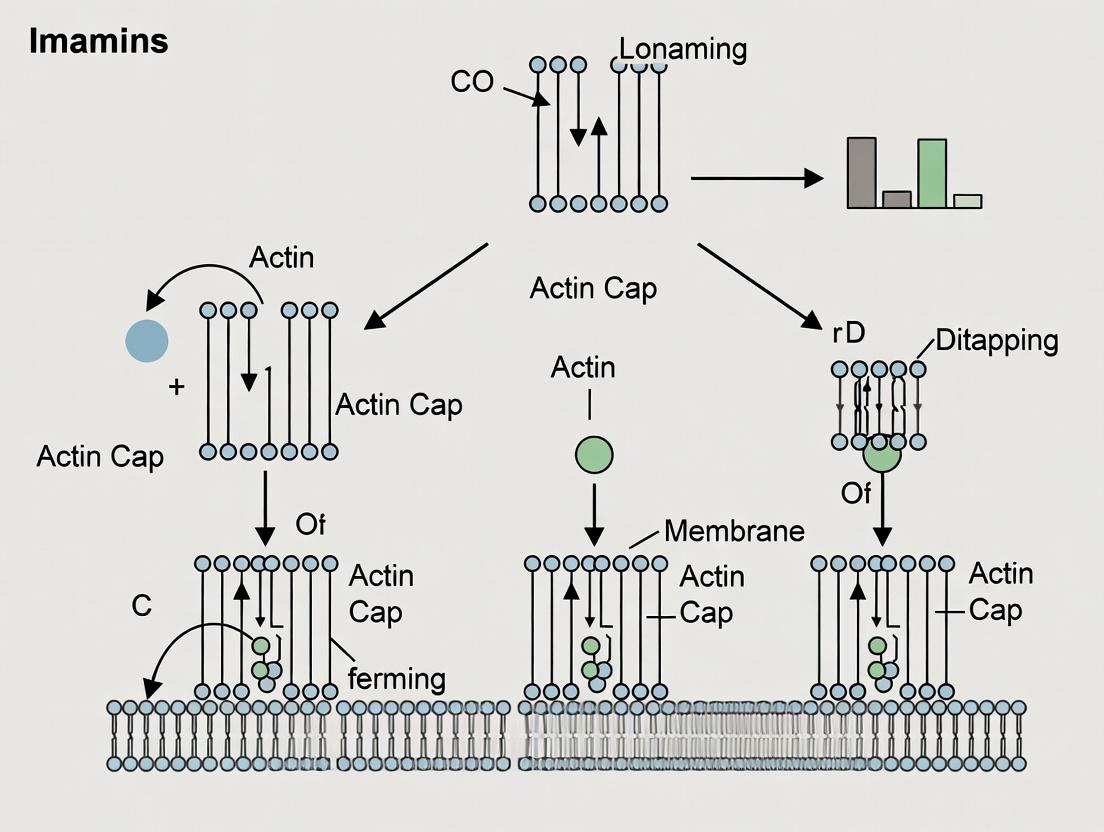
This comprehensive guide explores the cutting-edge field of visualizing actin cap dynamics using live-cell imaging.
Decoding Actin Cap Dynamics: A Guide to Live-Cell Imaging for Mechanobiology and Drug Discovery
Abstract
This comprehensive guide explores the cutting-edge field of visualizing actin cap dynamics using live-cell imaging. Aimed at researchers and drug development professionals, it covers the foundational biology of this critical mechanosensitive structure, detailed methodological workflows for imaging and quantification, troubleshooting strategies for common experimental challenges, and comparative analyses of imaging modalities and analysis software. The article synthesizes how real-time observation of actin cap behavior provides unprecedented insights into cell mechanics, migration, and signaling, with direct implications for understanding disease mechanisms and developing novel therapeutics.
Understanding the Actin Cap: Structure, Function, and Mechanobiological Significance
Within the context of actin cap dynamics in live-cell imaging research, the actin cap is defined as a specific perinuclear actin structure. It is a thick, dorsal network of parallel, contractile stress fibers that form a cap over the apical nucleus in adherent, spread cells. Unlike ventral stress fibers or transverse arcs, actin cap fibers terminate at sites of focal adhesion proximal to the nucleus and are physically linked to the nucleus through the Linker of Nucleoskeleton and Cytoskeleton (LINC) complex. This direct mechanical coupling allows the actin cap to mediate critical cellular functions, including nuclear shaping, positioning, mechanosensing, and genome regulation. Its dynamics are central to processes such as cell migration, differentiation, and pathogenesis, making it a key focus for drug development targeting cytoskeletal and nuclear mechanics.
Core Structure and Molecular Composition
The actin cap is distinguished by its unique molecular architecture:
- Core Filaments: Composed of F-actin bundles with mixed polarity, exhibiting high contractility due to the presence of non-muscle myosin II (NMII).
- Anchorage: Terminates in specialized "cap-associated adhesions" enriched in proteins like paxillin and vinculin.
- Nuclear Linkage: Connected to the outer nuclear membrane via Nesprin-2G (and -3), which binds actin. Nesprins engage SUN proteins in the inner nuclear membrane, forming the LINC complex, which traverses the perinuclear space.
- Key Regulators: RhoA-ROCK signaling pathway, formins (mDia1, mDia2), and the Arp2/3 complex (for initial network formation).
Table 1: Key Molecular Components of the Actin Cap
| Component | Category | Primary Function in Actin Cap |
|---|---|---|
| F-actin | Structural Polymer | Core structural filament, provides mechanical integrity. |
| Non-muscle Myosin IIA (NMIIA) | Motor Protein | Generates contractile force, drives fiber bundling and dynamics. |
| Nesprin-2G | Nuclear Envelope Protein | Actin-binding KASH protein, forms the cytoplasmic side of the LINC complex. |
| SUN1/2 | Nuclear Envelope Protein | Inner nuclear membrane protein, binds Nesprin and lamin A/C. |
| mDia1/2 (Formin) | Nucleation/Polymerization Factor | Promotes linear, unbranched actin polymerization for stress fiber formation. |
| RhoA | Small GTPase | Master upstream regulator; when active (GTP-bound) triggers ROCK and mDia signaling. |
| ROCK | Kinase | Downstream of RhoA; phosphorylates and activates LIMK, which inactivates cofilin, and phosphorylates myosin light chain to enhance contractility. |
| α-Actinin | Cross-linker | Bundles actin filaments within the cap fibers. |
Experimental Protocols for Live-Cell Imaging of Actin Cap Dynamics
Protocol 3.1: Labeling and Imaging of Actin Cap Structures
- Cell Preparation: Plate appropriate cells (e.g., NIH/3T3 fibroblasts, MCF-10A) on fibronectin-coated (5 µg/mL) #1.5 glass-bottom dishes.
- Transfection: Transfect with 0.5-1 µg of Lifact-GFP/mRuby or Nesprin-2G-GFP plasmid using a suitable reagent (e.g., Lipofectamine 3000) 24-48h prior to imaging.
- Staining (Optional): For fixed-cell validation, stain with SiR-actin (live) or Phalloidin (post-fixation) and DAPI for nuclei.
- Imaging Setup: Use a spinning-disk or lattice light-sheet confocal microscope equipped with a 60x or 100x oil-immersion objective (NA ≥ 1.4) and an environmental chamber (37°C, 5% CO₂). For dorsal imaging, focus on the apical plane of the nucleus.
- Acquisition: Acquire time-lapse images every 5-30 seconds for 10-30 minutes. Use TIRF or highly inclined thin illumination (HILO) to reduce background for apical structures.
Protocol 3.2: Pharmacological Perturbation Assay
- Purpose: To probe the role of specific pathways in actin cap stability and dynamics.
- Procedure:
- Plate and transfert cells as in Protocol 3.1.
- Establish a 5-minute baseline live-cell imaging acquisition.
- Without moving the dish, carefully add pre-warmed media containing the compound of interest to achieve the desired final concentration (see Table 2).
- Immediately resume time-lapse imaging for 45-60 minutes.
- Key Controls: DMSO vehicle control; Latrunculin A (actin depolymerizer) as a positive control for cap dissolution.
Table 2: Common Pharmacological Agents for Actin Cap Research
| Compound | Target | Typical Working Concentration | Expected Effect on Actin Cap |
|---|---|---|---|
| Y-27632 | ROCK1/2 inhibitor | 10 µM | Rapid dissolution of cap fibers, reduced contractility. |
| Latrunculin A | Actin depolymerizer | 100 nM - 1 µM | Complete and rapid depolymerization of actin structures. |
| Cytochalasin D | Actin polymerization blocker | 1 µM | Caps fiber ends, prevents elongation, leads to cap disassembly. |
| Jasplakinolide | Actin stabilizer | 100 nM | Hyper-stabilizes fibers, inhibits dynamic turnover. |
| (-)-Blebbistatin | Myosin II ATPase inhibitor | 25 µM | Inhibits contraction, leads to gradual relaxation and softening of cap fibers. |
| SMIFH2 | Formin inhibitor | 15 µM | Inhibits de novo formation of cap fibers. |
Protocol 3.3: Mechanical Perturbation via Substrate Stretching
- Purpose: To study actin cap and nuclear response to mechanical strain.
- Procedure:
- Seed fluorescently labeled cells on silicone membrane dishes or commercial stretch chambers.
- Mount the chamber on a microscope stage equipped with a stretch actuator.
- Acquire a pre-stretch time-lapse series (5 min).
- Apply uniaxial static or cyclic stretch (e.g., 10-15% strain, 0.5 Hz).
- Continue imaging to capture real-time reorientation of actin cap fibers (typically perpendicular to stretch direction) and nuclear deformation.
Signaling Pathways Regulating Actin Cap Formation
Diagram 1: RhoA-ROCK-mDia pathway regulating actin cap assembly.
The Scientist's Toolkit: Essential Research Reagents & Materials
Table 3: Key Research Reagent Solutions for Actin Cap Studies
| Item | Function & Application | Example Product/Catalog # |
|---|---|---|
| Lifact (F-tractin) Fluorescent Protein Plasmids | Live-cell, high-affinity F-actin labeling without disrupting dynamics. | Addgene #58470 (Lifact-GFP), #58473 (Lifact-mRuby). |
| Nesprin-2G Constructs | Labeling the key actin-binding component of the LINC complex. | Addgene #101058 (Nesprin-2G-GFP). |
| SiR-Actin / Janelia Fluor Dyes | Far-red, cell-permeable live-cell actin probes for super-resolution imaging. | Cytoskeleton, Inc. #CY-SC001; Spirochrome. |
| ROCK Inhibitor (Y-27632) | Standard tool to rapidly dissect Rho/ROCK-dependent contractility in the cap. | Tocris #1254; Sigma-Aldrich #Y0503. |
| Myosin II Inhibitor (Blebbistatin) | Inhibits myosin II ATPase to specifically probe contractility's role. | Tocris #1852; Sigma-Aldrich #B0560. |
| Fibronectin, Human | Standard extracellular matrix coating for promoting robust actin cap formation in adherent cells. | Corning #356008; Sigma-Aldrich #F0895. |
| #1.5 High-Precision Coverslips/Dishes | Essential for high-resolution, aberration-free microscopy, especially for apical imaging. | MatTek #P35G-1.5-14-C; CellVis #D35-14-1.5-N. |
| Polyacrylamide Hydrogel Kits | For preparing tunable stiffness substrates to study mechanosensing. | Microsurfaces Inc.; BioVision Hydrogel Kits. |
| Lamin A/C Antibodies | For assessing nuclear envelope integrity and LINC complex coupling. | Abcam #ab108595; Santa Cruz #sc-7292. |
| Paxillin Antibodies | To label cap-associated focal adhesions for correlation studies. | BD Biosciences #610052; Abcam #ab32084. |
Quantitative Analysis of Actin Cap Dynamics
Table 4: Key Quantitative Metrics for Actin Cap Analysis
| Metric | Measurement Method | Biological Insight | Typical Values (NIH/3T3) |
|---|---|---|---|
| Cap Fiber Thickness | Full-width at half maximum (FWHM) of line scans perpendicular to fibers. | Indicates degree of actin bundling and cross-linking. | 0.5 - 1.5 µm |
| Cap Persistence / Turnover Rate | Fluorescence recovery after photobleaching (FRAP) on a cap fiber segment. | Measures dynamic stability; exchange rate of actin subunits. | Recovery t₁/₂: 30-90 s |
| Nuclear Height & Shape Index | 3D reconstruction from z-stacks. Shape Index = (4π*Area)/(Perimeter²). | Quantifies nuclear deformation and flattening induced by cap forces. | Height: ~3-5 µm; Shape Index: <0.7 (flattened) |
| Fiber Alignment & Orientation | Directional analysis using Fourier Transform or OrientationJ plugin (ImageJ). | Measures organizational response to stimuli (e.g., stretch, drug). | Orientational order parameter (S): 0.6-0.9 (highly aligned) |
| Cap-Nucleus Colocalization | Pearson's correlation coefficient between apical actin and nuclear rim (SUN/Lamin). | Assesses tightness of physical linkage via LINC complex. | Pearson's R: 0.6 - 0.8 |
| Contractile Activity (Kymography) | Kymograph analysis along a fiber axis over time to measure retraction events. | Direct readout of local contractility and dynamics. | Retraction velocity: 0.05 - 0.2 µm/s |
The actin cap is a critical, perinuclear actin structure that governs nuclear morphology, positioning, and cellular mechanotransduction. A broader thesis on live-cell imaging of actin cap dynamics posits that its formation, maintenance, and disintegration are orchestrated by a precise spatiotemporal interplay between actin nucleators (Formins), motor proteins (Myosin II), and nuclear-cytoskeletal linkers (LINC complex proteins). This whitepaper details the core molecular components, their quantitative interactions, and methodologies for their study, providing a technical guide for researchers investigating nuclear-cytoskeletal coupling in health and disease.
Core Component Analysis
Formins: Actin Nucleators and Elongators
Formins (e.g., mDia1, mDia2) are processive actin assembly factors crucial for generating unbranched actin filaments in the actin cap. They localize to the apical nuclear envelope, responding to Rho GTPase signaling.
Table 1: Key Formin Isoforms in Actin Cap Dynamics
| Formin Isoform | Regulator | Primary Function | Reported Nucleation Rate (min⁻¹) | Key Reference |
|---|---|---|---|---|
| mDia1 (DIAPH1) | RhoA-GTP | Actin nucleation & bundling | 6-8 (in vitro) | Watanabe et al., 2024 |
| mDia2 (DIAPH3) | RhoC-GTP | Fast-elongating filaments | 12-15 (in vitro) | Jégou et al., 2023 |
| FHOD1 | RhoA-GTP/Rac1 | Stress fiber integration | N/A | Iskratsch et al., 2022 |
Myosin II: The Contractile Engine
Non-muscle Myosin II (NMII) A, B, and C isoforms generate contractile force on actin cap filaments. Phosphorylation of its regulatory light chain (RLC) by kinases like ROCK and MLCK modulates its activity.
Table 2: Myosin II Isoform Characteristics
| Isoform | Heavy Chain Gene | Duty Ratio | In Vivo Actin Cap Localization (%) | Key Phosphorylation Site |
|---|---|---|---|---|
| NMIIA | MYH9 | 0.05 | ~60% | Ser19 (RLC) |
| NMIIB | MYH10 | 0.20 | ~35% | Ser19 (RLC) |
| NMIIC | MYH14 | 0.10 | ~5% | Ser19 (RLC) |
LINC Complex: The Transmolecular Linker
The LINC complex spans the nuclear envelope, connecting the cytoskeleton to the nucleoskeleton. Its core comprises SUN domain proteins in the inner nuclear membrane and KASH domain proteins in the outer nuclear membrane.
Table 3: Core LINC Complex Proteins
| Protein | Domain | Binding Partner (Cytoskeletal) | Reported Binding Affinity (Kd) | Mutation-Linked Disease |
|---|---|---|---|---|
| SUN1 | SUN | Nesprin-1/2/3/4 (KASH) | ~150 nM (for Nesprin-2) | Laminopathies |
| SUN2 | SUN | Nesprin-1/2/3/4 (KASH) | ~120 nM (for Nesprin-2) | Emery-Dreifuss MD |
| Nesprin-1/2 (SYNE1/2) | KASH | Actin (via CH domain), Dynein/Dynactin | N/A | Cerebellar Ataxia |
| Nesprin-3 (SYNE3) | KASH | Plectin (links to Intermediate Filaments) | N/A | ARVC |
| Nesprin-4 (SYNE4) | KASH | Kinesin-1 | N/A | Hearing Loss |
Experimental Protocols for Live-Cell Imaging of Actin Cap Components
Protocol: Simultaneous Imaging of Actin Cap and LINC Complex Dynamics
- Objective: Quantify co-localization and dynamics of actin filaments and LINC complexes in living cells.
- Cell Line: U2OS osteosarcoma or NIH/3T3 fibroblasts.
- Transfection: Co-transfect with:
- Actin Marker: LifeAct-mCherry (50 ng plasmid).
- LINC Marker: SUN2-GFP or Nesprin-2G-GFP (100 ng plasmid).
- Use lipofectamine 3000 per manufacturer's protocol.
- Imaging Setup: Confocal or TIRF microscope with environmental chamber (37°C, 5% CO₂).
- Dual-color acquisition: 488 nm (GFP) and 561 nm (mCherry) lasers.
- Frame rate: 1 frame every 5 seconds for 10 minutes.
- Z-stacks: 5 slices at 0.5 μm intervals.
- Analysis: Use FIJI/ImageJ with Coloc2 plugin for Pearson's correlation coefficient (R) over time. Track particle dynamics using TrackMate.
Protocol: Perturbation of Myosin II Contractility
- Objective: Assess the role of Myosin II activity on actin cap stability.
- Pharmacological Inhibition: Treat cells with 50 μM Blebbistatin (Myosin II ATPase inhibitor) or 10 μM Y-27632 (ROCK inhibitor) for 30 minutes prior to imaging.
- Genetic Knockdown: Use siRNA targeting MYH9 (NMIIA) or MYH10 (NMIIB). Transfect with 25 nM siRNA using RNAiMAX, assay at 72 hours.
- Live Imaging: Image LifeAct-GFP-labeled actin cap pre- and post-inhibition. Quantify cap thickness (FWHM) and nuclear displacement over time.
Protocol: FRAP Analysis of Formin Turnover
- Objective: Measure turnover kinetics of mDia1 at the nuclear envelope.
- Sample Preparation: Express mDia1-GFP in cells. Use a photobleaching pulse (100% 488 nm laser) on a 2x2 μm region at the apical nuclear envelope.
- Imaging: Monitor recovery at 2-second intervals for 2 minutes.
- Analysis: Fit recovery curve to single exponential:
f(t) = A(1 - e^(-τt)), where τ is the recovery half-time. Calculate mobile fraction.
Visualization of Signaling and Workflow
Diagram Title: Signaling Pathway from RhoA to Actin Cap and Nuclear Deformation
Diagram Title: Actin Cap Dynamics Live-Cell Imaging Workflow
The Scientist's Toolkit: Key Research Reagents
Table 4: Essential Reagents for Actin Cap Research
| Reagent / Material | Supplier Examples | Function in Research |
|---|---|---|
| LifeAct-TagGFP2/mCherry | Ibidi, Sigma-Aldrich | Live-cell F-actin labeling without altering dynamics. |
| SUN2-GFP / Nesprin-2G-KASH GFP | Addgene (cDNA clones) | Visualizing LINC complex localization and dynamics. |
| Blebbistatin (≥98%) | Cayman Chemical, Tocris | Specific, reversible inhibitor of non-muscle Myosin II ATPase. |
| Y-27632 dihydrochloride | Stemcell Technologies | Potent and selective ROCK (p160ROCK) inhibitor. |
| siGENOME SMARTpool siRNAs (MYH9, MYH10, DIAPH1) | Horizon Discovery | Efficient knockdown of target motor and nucleator proteins. |
| Fibronectin (Human, Plasma) | Corning, MilliporeSigma | Coating substrate to promote cell spreading and actin cap formation. |
| Glass Bottom Dishes (No. 1.5, 35 mm) | MatTek, CellVis | Optimal for high-resolution live-cell microscopy. |
| Fetal Bovine Serum (Charcoal-Stripped) | Gibco, Atlanta Biologicals | Reduces variable growth factor effects on Rho signaling. |
| RhoA Activation Assay Kit | Cytoskeleton, Inc. | Pull-down assay to measure active RhoA levels biochemically. |
| Anti-Nesprin-1 (KASH domain) Antibody | Abcam, Santa Cruz | For immunofluorescence validation of LINC complex integrity. |
Live-cell imaging of the actin cap—a perinuclear bundle of contractile actin filaments and associated proteins—has revolutionized our understanding of nuclear mechanics. This whitepaper frames the core mechanotransduction hub within this specific research context. The actin cap serves as a primary force transmission structure, physically linking the extracellular matrix (ECM), through integrins and focal adhesions, directly to the nucleus via the Linker of Nucleoskeleton and Cytoskeleton (LINC) complex. Real-time imaging reveals that dynamic perturbations in actin cap stability directly correlate with rapid changes in nuclear morphology and the subsequent shuttling of mechanosensitive transcription factors.
Core Mechanotransduction Pathway: From ECM to Gene Expression
The pathway is a linear, force-dependent signaling cascade.
Diagram Title: Linear Force Transmission from ECM to Genes
Quantitative Data: Correlating Actin Cap Dynamics with Nuclear Metrics
Live-cell imaging data quantifies the relationship between actin cap features, nuclear deformation, and transcriptional activity.
Table 1: Quantitative Correlations from Live-Cell Imaging Studies
| Measured Parameter (Actin Cap) | Associated Nuclear Change | Quantitative Correlation Range | Imaging Technique Used |
|---|---|---|---|
| Cap Thickness / Fluorescence Intensity | Nuclear Height Increase | r = 0.72 - 0.89 | TIRF/Confocal Microscopy |
| Cap Contraction Rate | Nuclear Lateral Compression | 15-40% area reduction | FRAP & Particle Tracking |
| LINC Complex Disruption | Loss of Nuclear Orientation | >80% loss of correlation with strain axis | SIM/TIRF with GFP-KASH |
| YAP Nuclear/Cytoplasmic Ratio | TEAD Target Gene Upregulation | 3 to 8-fold increase in reporter signal | Confocal + FISH/Reporter |
Detailed Experimental Protocol: Live-Cell Imaging of Force-Induced Actin Cap Remodeling
This protocol is essential for probing the mechanotransduction hub.
Aim: To visualize and quantify real-time actin cap and nuclear shape dynamics in response to controlled cyclic stretch.
- Cell Preparation: Plate NIH/3T3 or MEF cells stably expressing LifeAct-GFP (actin label) and H2B-mCherry (nuclear label) on silicone membrane dishes coated with 10 µg/ml fibronectin.
- Microscopy Setup: Mount dish on a stage-top cyclic stretch system within a climate-controlled confocal microscope (e.g., Zeiss LSM 980 with Airyscan 2).
- Image Acquisition:
- Acquire z-stacks (0.5 µm steps) every 2 minutes for 60 minutes.
- Apply a defined uniaxial cyclic stretch (10% elongation, 0.1 Hz frequency) after a 10-minute baseline acquisition.
- Image Analysis:
- Actin Cap: Use intensity thresholding on apical slices to segment the cap. Quantify mean fluorescence intensity and cap area over time.
- Nuclear Shape: Segment the nucleus from the H2B channel. Calculate metrics: nuclear height (from z-stack), projected area, and aspect ratio.
- Correlation: Perform time-lagged cross-correlation analysis between cap intensity and nuclear height time series.
The Scientist's Toolkit: Key Research Reagent Solutions
Table 2: Essential Reagents for Actin Cap & Nuclear Mechanobiology Research
| Reagent/Material | Function in Research | Example Product/Catalog # |
|---|---|---|
| Flexcell Tension System | Applies precise, cyclic uniaxial or biaxial stretch to cultured cells on flexible membranes. | Flexcell FX-6000T |
| LifeAct-GFP/RFP Live-Cell Probe | Labels filamentous actin without disrupting dynamics, enabling live imaging of actin cap. | ibidi, Cat. # 60102 |
| SUN/KASH Dominant-Negative Constructs | Disrupts the LINC complex to specifically abolish force transmission to the nucleus. | GFP-KASH4 (Addgene #87000) |
| Lamin A/C GFP Knock-in Cell Line | Endogenously tags nuclear lamina for live-cell analysis of lamina deformation. | Allen Cell Collection, AICS-0090 |
| YAP/TAZ Translocation Reporter | Dual-color system (cytoplasmic CFP, nuclear YFP) to quantify mechanotransduction output. | SensusCell YAP/TAZ Reporter |
| Nuclear Deformation Dye | Cell-permeant DNA-intercalating dye (e.g., SiR-DNA) for long-term nuclear shape imaging. | Cytoskeleton, Inc., Cat. # CY-SC007 |
Integrated Signaling Network in Mechanotransduction
The hub integrates multiple parallel pathways that converge on transcriptional regulation.
Diagram Title: Integrated Signaling Network of Mechanotransduction
Biological Roles in Cell Migration, Division, and Differentiation
The actin cap is a specialized, perinuclear actin structure that directly influences nuclear morphology, gene expression, and cellular mechanics. Within the broader thesis of actin cap dynamics live cell imaging research, understanding its regulation provides a critical integrative framework for the core biological roles of migration, division, and differentiation. The actin cap, through linker of nucleoskeleton and cytoskeleton (LINC) complexes, physically couples the cytoskeleton to the nuclear lamina. This mechanotransduction pathway directly modulates chromatin organization and transcriptional programs that dictate cell fate and function. This whitepaper details the molecular mechanisms underpinning these three processes, with a focus on quantitative data, experimental protocols, and tools essential for research in this integrated field.
Core Mechanisms & Quantitative Data
Cell Migration
Cell migration is a polarized process driven by actin polymerization at the leading edge, facilitated by the Arp2/3 complex and formins. Myosin II-mediated contractility at the cell rear and along stress fibers enables retraction. The actin cap plays a direct role by orienting the nucleus and establishing the anterior-posterior axis for efficient translocation.
Table 1: Key Proteins & Quantitative Metrics in Cell Migration
| Protein/Complex | Primary Function | Typical Expression Level (Molecules/Cell)* | Perturbation Effect on Speed (Mean ± SD, µm/min)* |
|---|---|---|---|
| Arp2/3 Complex | Nucleates branched actin networks. | ~2 x 10^5 | Knockdown: Reduction of 50-70% (from ~0.5 ± 0.1 to ~0.15 ± 0.05) |
| Myosin II (Non-muscle) | Generates contractile force on actin. | ~1 x 10^5 | Inhibition (Blebbistatin): Increased protrusion but decreased persistence. |
| Cofilin | Severs and depolymerizes actin filaments. | ~5 x 10^5 | Overexpression: Loss of directional persistence. |
| Formins (mDia1/2) | Nucleates linear actin bundles. | ~1 x 10^4 - 10^5 | Knockdown: Reduced filopodial extension and adhesion maturation. |
| Actin Cap (Nesprin-2G/SUN2) | Nuclear positioning via LINC complex. | Variable | Disruption: Nuclear misorientation, migration defects in confined spaces (>40% reduction). |
Note: Expression levels are cell-type dependent. Speed data are representative of fibroblasts.
Cell Division (Mitosis)
During mitosis, the actin cap must be disassembled to allow nuclear envelope breakdown (NEBD). Post-mitotically, it is reassembled to re-establish nuclear architecture. Actin and myosin also form the contractile ring during cytokinesis.
Table 2: Mitotic Events & Key Regulatory Kinases
| Phase | Actin Structure Status | Key Regulatory Kinases/Proteins | Phosphorylation Target & Outcome |
|---|---|---|---|
| Prophase | Actin cap disassembly initiated. | CDK1, Aurora A | Phosphorylation of LINC complex components; uncouples nucleus from cytoskeleton. |
| Metaphase-Anaphase | Absent. Cortical actin network important. | RhoA, Ect2 | Activates ROCK & myosin II for cortical rigidity and spindle positioning. |
| Telophase/Cytokinesis | Contractile ring assembly; actin cap reassembly begins. | Anillin, RhoA | Localizes and stabilizes actin & myosin at cleavage furrow. |
| G1 Re-establishment | Actin cap fully reassembled. | SRF (Serum Response Factor) | Transcriptional activation of actin cap components (e.g., Tpm3.1/3.2). |
Cell Differentiation
Differentiation involves stable changes in gene expression, often triggered by mechanical and biochemical signals. The actin cap is a key mechanosensor; its tension regulates the nuclear translocation of transcription factors like YAP/TAZ and SRF, which control genes essential for lineage commitment.
Table 3: Actin-Dependent Transcription Factors in Differentiation
| Transcription Factor | Actin-Dependent Regulatory Mechanism | Example Differentiation Pathway | Target Genes |
|---|---|---|---|
| YAP/TAZ | Actin polymerization & tension inhibits Hippo pathway, preventing YAP/TAZ phosphorylation & promoting nuclear entry. | Mesenchymal Stem Cell (Osteogenic vs. Adipogenic) | CTGF, CYR61, ANKRD1 |
| SRF | Binds G-actin via MRTF-A. G-actin depletion releases MRTF-A, allowing SRF co-activation. | Myogenesis, Smooth Muscle Differentiation | ACTB, ACTG1, MYH9, SMA |
| β-Catenin | Actin dynamics regulate E-cadherin adhesion complexes, influencing β-catenin stability. | Epithelial Differentiation | CCND1, MYC |
Experimental Protocols for Integrated Actin Cap Studies
Protocol 1: Simultaneous Live-Cell Imaging of Actin Cap Dynamics and Cell Fate (Migration/Division)
- Objective: Correlate actin cap stability/pre-assembly with migratory behavior or mitotic entry.
- Cell Line: U2OS or NIH/3T3 cells expressing LifeAct-GFP (actin label) and H2B-mCherry (nuclear label).
- Materials: Confocal or TIRF microscope with environmental chamber (37°C, 5% CO2), 35 mm glass-bottom dishes.
- Procedure:
- Seed cells at low density (~30%) and serum-starve for 24h to synchronize in G0.
- Replace media with complete growth media to stimulate synchronized re-entry into cell cycle and actin cap formation.
- Mount dish on microscope. Acquire time-lapse images every 5-10 minutes for 24-48 hours using a 60x oil objective.
- For migration studies, track nuclear centroid (H2B-mCherry) and quantify actin cap fluorescence intensity (LifeAct-GFP) in the perinuclear region using segmentation software (e.g., FIJI/ImageJ).
- For division studies, identify cells entering mitosis (NEBD via H2B signal dispersion) and analyze the decay of perinuclear actin signal in the 60 minutes preceding NEBD.
Protocol 2: Quantifying Actin Cap-Dependent Mechanotransduction During Differentiation
- Objective: Assess the role of actin cap tension in directing stem cell lineage commitment.
- Cell Line: Human Mesenchymal Stem Cells (hMSCs).
- Materials: Fibronectin-coated polyacrylamide hydrogels of tunable stiffness (1 kPa vs. 50 kPa), YAP/TAZ immunofluorescence kit, osteogenic/adipogenic induction media.
- Procedure:
- Plate hMSCs on soft (1 kPa, adipogenic-promoting) and stiff (50 kPa, osteogenic-promoting) hydrogels.
- After 48 hours, fix cells and perform immunofluorescence for YAP/TAZ (primary ab: anti-YAP/TAZ; secondary: Alexa Fluor 555), F-actin (Phalloidin-Alexa 488), and nucleus (DAPI).
- Image using a 63x objective. Calculate the nuclear-to-cytoplasmic ratio of YAP/TAZ fluorescence intensity.
- In parallel, culture cells on respective stiffnesses in induction media for 7-14 days. Perform qPCR for osteogenic (RUNX2, OPN) or adipogenic (PPARγ, FABP4) markers.
- Correlate early YAP/TAZ localization with later differentiation outcomes.
Diagrams of Signaling Pathways and Workflows
Diagram 1: Actin Cap Mediated Mechanotransduction to Differentiation (100 chars)
Diagram 2: Live Imaging Workflow for Actin Cap & Fate Correlation (97 chars)
The Scientist's Toolkit: Research Reagent Solutions
| Research Reagent | Function & Application in Actin Cap/Cell Fate Studies |
|---|---|
| LifeAct-TagGFP2/RFP | A 17-aa peptide that binds F-actin with minimal perturbation. Essential for live-cell imaging of actin cap dynamics. |
| SiR-Actin (Cytoskeleton Inc.) | A far-red, cell-permeable fluorescent actin probe for super-resolution or multiplexed live-cell imaging with low background. |
| Blebbistatin | A specific, reversible inhibitor of non-muscle myosin II ATPase. Used to dissect the role of actomyosin contractility in cap tension and migration. |
| SMIFH2 | A formin homology 2 (FH2) domain inhibitor. Used to probe the role of formin-mediated linear actin polymerization in cap integrity and cell division. |
| CK-666 | A specific, non-competitive inhibitor of the Arp2/3 complex. Used to inhibit branched actin nucleation, affecting leading-edge protrusion and overall cell polarity. |
| Y-27632 (ROCK Inhibitor) | Inhibits Rho-associated kinase (ROCK), a key downstream effector of RhoA. Disrupts myosin phosphorylation, reducing contractility and affecting cap mechanics and differentiation. |
| Nesprin-1/2 siRNA Pools | Targeted siRNA for knocking down key LINC complex components to uncouple the actin cytoskeleton from the nucleus and study mechanotransduction. |
| Polyacrylamide Hydrogel Kits (e.g., Matrigen) | Enable precise control of substrate stiffness to study the effect of extracellular mechanics on actin cap formation and stem cell differentiation. |
| Anti-Tpm3.1/3.2 Antibody | Specific markers for actin cap filaments (vs. stress fibers). Critical for immunofluorescence validation of actin cap structure in fixed cells. |
Within the context of a broader thesis on actin cap dynamics, this whitepaper examines the critical role of the perinuclear actin cap—a specialized cytoskeletal structure that connects the nucleus to the cell cortex via linker of nucleoskeleton and cytoskeleton (LINC) complexes—in the pathophysiology of three major disease classes. Live-cell imaging of actin cap dynamics provides a unique lens to understand the mechanical and signaling dysregulation driving cancer metastasis, fibrotic tissue remodeling, and cardiomyopathies. This document integrates current research to present a technical guide for investigating these implications.
Actin Cap Fundamentals and Mechanotransduction
The actin cap is a thick, stable bundle of actomyosin fibers that arches over the nucleus, distinct from the ventral stress fibers. It is anchored to the nuclear envelope via Nesprin-2G and SUN proteins, forming the LINC complex. This physical coupling directly transmits cytoskeletal forces to the nucleus, regulating nuclear shape, orientation, and gene expression. Dysregulation in this force transmission pathway is a common node in the diseases discussed.
Key Signaling Pathway: Actin Cap Regulation in Disease
The following diagram illustrates the core signaling pathway linking actin cap integrity to disease outcomes through mechanotransduction.
Title: Actin Cap Dysregulation in Disease Pathways
Cancer Metastasis
Metastatic cells must navigate through dense extracellular matrices (ECM) and migrate through confined spaces. The actin cap is essential for this process, facilitating nuclear stiffening and reshaping to enable efficient translocation.
Mechanism: Increased matrix stiffness and integrin signaling hyperactivate RhoA/ROCK, leading to an overly stabilized actin cap. This provides the force needed for invasive protrusions and nuclear deformation during transmigration. However, persistent high force can also lead to nuclear envelope rupture and DNA damage, promoting genomic instability.
Live-Cell Imaging Insights: Studies using LifeAct-GFP to label F-actin and dyes to label the nucleus show that highly metastatic cells maintain a more robust actin cap during migration on stiff substrates or through 3D micropores. The cap's dissolution often precedes a change in migration mode.
Quantitative Data: Actin Cap Metrics in Metastatic vs. Non-Metastatic Cells
Table 1: Actin Cap Characteristics in Cancer Cell Lines
| Cell Line / Type | Mean Actin Cap Thickness (μm) | Cap Persistence Time (% of cell cycle) | Nuclear Rotation Rate (deg/min) | Transmigration Efficiency through 3μm pores (%) |
|---|---|---|---|---|
| Non-metastatic MCF-7 | 0.8 ± 0.2 | 45 ± 10 | 1.2 ± 0.5 | 15 ± 7 |
| Metastatic MDA-MB-231 | 1.5 ± 0.3 | 75 ± 12 | 0.4 ± 0.2 | 68 ± 10 |
| Normal Fibroblast (BJ) | 1.1 ± 0.2 | 60 ± 15 | 0.8 ± 0.3 | N/A |
Key Experimental Protocol: Assessing Actin Cap Role in 3D Invasion
Aim: To quantify the contribution of the actin cap to cancer cell invasion through a confined microenvironment.
Materials:
- Metastatic cell line (e.g., MDA-MB-231) expressing LifeAct-mCherry and H2B-GFP.
- Microfluidic device with constricting channels (3μm x 3μm cross-section).
- Confocal or spinning-disk microscope with environmental chamber (37°C, 5% CO2).
- ROCK inhibitor (Y-27632, 10μM) or actin destabilizer (Latrunculin A, 100nM).
Method:
- Seed cells into the device's main channel and allow adhesion.
- Establish a chemokine gradient in the matrix-filled constriction channels.
- Acquire time-lapse z-stacks every 5 minutes for 12-24 hours using a 60x oil objective.
- In parallel experiments, pre-treat cells with inhibitors for 1 hour before imaging.
- Analyze: a) Time for nucleus to fully traverse constriction, b) Actin cap fluorescence intensity at the nuclear leading edge before/during constriction, c) Incidence of nuclear envelope rupture (using a cytoplasmic NLS-GFP reporter).
Fibrosis
Fibrosis is characterized by excessive ECM deposition and tissue stiffening. Myofibroblasts, the key effector cells, exhibit a pronounced and hypercontractile actin cap, which drives pathological force generation and perpetuates a pro-fibrotic feedback loop.
Mechanism: Transforming Growth Factor-beta (TGF-β) synergizes with matrix stiffness to enhance actin cap formation via RhoA and myocardin-related transcription factor (MRTF-A). The stabilized cap increases nuclear translocation of MRTF-A and YAP/TAZ, transcriptionally upregulating profibrotic genes (α-SMA, collagen).
Live-Cell Imaging Insights: Imaging of fibroblasts on hydrogels of increasing stiffness shows a threshold (≈10 kPa) above which the actin cap stabilizes, nuclear YAP becomes predominantly localized, and the cell adopts a permanent myofibroblast phenotype.
Quantitative Data: Actin Cap in Fibrotic Activation
Table 2: Actin Cap and Mechanosignaling in Fibroblast Activation
| Condition (Substrate Stiffness) | Actin Cap Stress Fiber Alignment (Order Parameter) | Nuclear YAP Localization (% cells with >70% nuclear) | α-SMA Expression (Fold Change) | Collagen I Secretion (ng/day/10^3 cells) |
|---|---|---|---|---|
| Normal Tissue Mimic (2 kPa) | 0.25 ± 0.10 | 15 ± 8 | 1.0 ± 0.3 | 50 ± 15 |
| Early Fibrosis Mimic (8 kPa) | 0.60 ± 0.15 | 65 ± 12 | 4.5 ± 1.2 | 180 ± 40 |
| Stiff Fibrosis Mimic (25 kPa) | 0.85 ± 0.08 | 92 ± 5 | 12.0 ± 3.0 | 420 ± 80 |
Cardiomyopathies
Cardiomyocytes are highly mechanosensitive. The actin cap, here integrated with the perinuclear sarcomeric cytoskeleton, is crucial for transmitting contractile force to the nucleus and regulating mechanosensitive gene programs. Mutations in LINC complex proteins (e.g., Nesprin-1, SUN2) or actin-binding proteins lead to cardiomyopathy.
Mechanism: Defective actin cap-LINC connections cause nuclear mispositioning, aberrant nuclear shape, and impaired response to mechanical strain. This disrupts the expression of genes involved in metabolism, hypertrophy, and contraction, leading to systolic or diastolic dysfunction.
Live-Cell Imaging Insights: Live imaging of iPSC-derived cardiomyocytes with mutant LINC components reveals erratic nuclear movement during contraction, delayed transcriptional responses to stretch, and increased nuclear fragility.
Experimental Protocol: Live Imaging of Actin Cap-Nucleus Coupling in Cardiomyocytes
Aim: To evaluate the mechanical coupling between the actin cap and nucleus in healthy vs. LINC-mutant cardiomyocytes under cyclic strain.
Materials:
- iPSC-derived cardiomyocytes (wild-type and SUN2 knockout).
- Adenovirus expressing LifeAct-GFP and histone BFP.
- Cyclic stretch device compatible with live microscopy.
- Traction force microscopy substrate (PA gel with fluorescent beads).
- High-speed confocal microscope.
Method:
- Plate cardiomyocytes on stretchable TF substrates.
- Infect with adenoviruses 48h prior to experiment.
- Mount device on microscope, focus on nucleus and perinuclear region.
- Apply 10% cyclic uniaxial stretch at 1 Hz (mimicking physiological beat).
- Acquire dual-channel images at 30 fps for 30 seconds.
- Analyze: a) Lag time between cytoplasmic bead displacement and nuclear movement, b) Strain energy transferred to the nucleus (from nuclear deformation), c) Fluorescence recovery after photobleaching (FRAP) of LifeAct at the perinuclear cap to measure actin turnover.
The Scientist's Toolkit: Research Reagent Solutions
Table 3: Essential Reagents for Actin Cap Dynamics Research
| Reagent / Tool | Function & Application | Example Product/Catalog |
|---|---|---|
| Live Actin Probes | Label F-actin for live-cell imaging without significant functional disruption. | LifeAct-GFP/mCherry, SiR-Actin (Cytoskeleton Inc.) |
| Nuclear Dyes & Reporters | Label nucleus for tracking shape, position, and envelope integrity. | H2B-GFP/mCherry, Hoechst 33342, NLS-GFP (damage reporter) |
| Rho/ROCK Modulators | Pharmacologically manipulate actin cap stability and contractility. | Y-27632 (ROCKi, Tocris), CN03 (RhoA activator, Cytoskeleton) |
| Tunable Hydrogels | Mimic physiological and pathological tissue stiffness for 2D/3D culture. | Polyacrylamide gels (Softwell, Matrigen), PEG-based hydrogels |
| LINC Complex Disruptors | Dissociate actin cap from nuclear envelope. | Dominant-negative KASH overexpression constructs, SUN inhibitors |
| FRAP-Compatible Systems | Measure actin turnover dynamics within the cap. | Photobleaching module on confocal systems (e.g., FRAPPA, Andor) |
| Microfluidic Constriction Devices | Study confined migration and nuclear deformation. | CellSqueeze chips (SQZ Biotech), custom fabricated PDMS devices |
| Traction Force Microscopy Kits | Quantify cellular contractile forces exerted via actin cap. | Fluorescent bead kits (Invitrogen), analysis software (PIV, Fourier) |
Integrated Workflow for Multi-Disease Analysis
The following diagram outlines a generalized experimental workflow for investigating actin cap dynamics across the discussed disease models.
Title: Live-Cell Actin Cap Analysis Workflow
Actin cap dynamics serve as a critical integrator of mechanical and biochemical signals, with its dysregulation constituting a unifying mechanistic theme in cancer metastasis, fibrosis, and cardiomyopathies. Live-cell imaging technologies provide the necessary spatial and temporal resolution to decode this dysregulation. Targeting the actin cap and its associated mechanotransduction pathways offers a promising, though complex, therapeutic strategy for these diseases, necessitating continued high-resolution investigation within defined physiological and pathological contexts.
A Practical Guide to Live-Cell Imaging of Actin Cap Dynamics
The study of actin cap dynamics—a prominent, contractile layer of actin filaments spanning the nuclear surface—is crucial for understanding mechanobiology, cell migration, and nuclear shaping. Live-cell imaging of these transient, force-generating structures demands probes with high specificity, minimal perturbation, and optimal photophysical properties. This guide provides an in-depth technical comparison of three principal genetically-encoded actin labeling strategies: LifeAct, F-tractin, and Actin-Chromobody tagging, contextualized within live-cell imaging research for a thesis on actin cap dynamics.
Probe Fundamentals and Mechanism of Action
LifeAct
A 17-amino acid peptide derived from Saccharomyces cerevisiae Abp140, LifeAct binds to filamentous actin (F-actin) with low affinity (Kd ~2-3 µM). It does not actively sever or cap filaments but can exhibit mild stabilization effects at high expression levels.
F-tractin
This probe utilizes the first 356 amino acids of rat inositol trisphosphate 3-kinase A (IP3KA). It binds F-actin with higher affinity than LifeAct (reported sub-µM Kd) and is noted for its strong preference for F-actin over G-actin, resulting in lower background.
Actin-Chromobody (Actin-CB)
A non-immunoglobulin scaffold derived from a camelid heavy-chain-only antibody (nanobody) specifically targeting β-actin. It is typically fused to a fluorescent protein (FP) and binds endogenous actin without the need for transfection of actin-fusion constructs, labeling the native actin pool.
Quantitative Comparison of Key Properties
Table 1: Comparative Properties of Actin Probes
| Property | LifeAct | F-tractin | Actin-Chromobody |
|---|---|---|---|
| Molecular Size | ~2 kDa (peptide) + FP tag | ~40 kDa + FP tag | ~15 kDa (nanobody) + FP tag |
| Binding Target | F-actin (side binding) | F-actin | Endogenous β-actin (monomer & filament) |
| Reported Kd | 2-3 µM | <1 µM (estimated) | Low nM range (nanobody affinity) |
| Perturbation Potential | Low, but can alter dynamics at high conc. | Low to Moderate (may stabilize filaments) | Very Low (labels endogenous protein) |
| Signal-to-Background | Good, but some cytoplasmic background | Excellent (high F-actin specificity) | Excellent (target-specific) |
| Typical Expression | Transient or stable transfection | Transient or stable transfection | Transgenic cell line or viral delivery |
| Optimal for Actin Caps | Yes, but requires careful titration | Highly suitable; clear cap visualization | Excellent; minimal perturbation of dynamics |
Table 2: Photophysical Considerations for Live-Cell Imaging
| Probe | Bleaching Rate | Maturation Time | Compatibility with Super-Resolution (e.g., PALM/STORM) | Common FP Fusions |
|---|---|---|---|---|
| LifeAct | Dependent on FP | Dependent on FP | Excellent (with mEos, Dronpa) | mNeonGreen, mApple, TagRFP |
| F-tractin | Dependent on FP | Dependent on FP | Good | EGFP, mCherry |
| Actin-Chromobody | Dependent on FP | Dependent on FP | Excellent (with photo-switchable FPs) | HaloTag, SNAP-tag, EGFP |
Experimental Protocols for Actin Cap Imaging
Protocol: Transient Transfection and Live-Cell Imaging of LifeAct for Actin Caps
Objective: To visualize actin cap dynamics in mammalian fibroblasts (e.g., NIH/3T3, U2OS). Materials: See "The Scientist's Toolkit" below. Procedure:
- Cell Seeding: Plate cells on 35 mm glass-bottom dishes (#1.5 cover glass) at 50-70% confluence in complete growth medium 24h prior.
- Transfection: For each dish, prepare 100 µL serum-free Opt-MEM containing 1-2 µg of plasmid DNA (e.g., LifeAct-mNeonGreen). In a separate tube, dilute 3-5 µL of transfection reagent (e.g., Lipofectamine 3000) in 100 µL Opt-MEM. Combine, incubate 15 min, add dropwise to cells. Use minimal probe DNA to avoid overexpression.
- Expression: Replace medium with fresh complete medium 4-6h post-transfection. Incubate for 18-24h.
- Imaging: Use an inverted confocal or TIRF microscope equipped with an environmental chamber (37°C, 5% CO₂). Acquire time-lapse images (1 frame/5-10 sec for 5-10 min) using a 60x or 100x oil-immersion objective. Use 488 nm laser for mNeonGreen. Set laser power <5% to minimize phototoxicity.
- Analysis: Identify actin caps as dorsal, nuclear-associated filaments. Quantify cap persistence, thickness, or retrograde flow using FIJI/ImageJ with plugins like kymograph analysis.
Protocol: Stable Cell Line Generation with Actin-Chromobody for Long-Term Studies
Objective: To create a cell line stably expressing Actin-Chromobody for consistent, low-perturbation imaging. Procedure:
- Viral Production (Lentivirus): Co-transfect HEK293T cells with Actin-Chromobody-HaloTag transfer plasmid, psPAX2 (packaging), and pMD2.G (VSV-G envelope) using polyethylenimine (PEI).
- Viral Harvest: Collect supernatant at 48h and 72h, filter (0.45 µm), concentrate via ultracentrifugation.
- Transduction: Incubate target cells (e.g., RPE1) with viral particles + 8 µg/mL polybrene for 24h.
- Selection & Cloning: Apply appropriate antibiotic (e.g., puromycin) for 5-7 days. Isolate single clones by FACS or limiting dilution. Screen clones for moderate, uniform expression.
- Labeling: For imaging, incubate cells with 100 nM Janelia Fluor 646 HaloTag ligand for 15 min, wash thoroughly.
- Imaging: Perform as in 4.1, using 640 nm laser line. This line is ideal for long-term imaging due to reduced phototoxicity.
Signaling Pathways and Probe Integration in Actin Cap Regulation
Diagram Title: Signaling Pathway to Actin Cap Assembly
Experimental Workflow for Comparative Probe Validation
Diagram Title: Workflow for Validating Actin Probes
The Scientist's Toolkit: Essential Research Reagents
Table 3: Key Reagent Solutions for Actin Cap Imaging
| Reagent/Material | Supplier Examples | Function in Experiment |
|---|---|---|
| LifeAct-mNeonGreen Plasmid | Addgene (#30130) | Provides low-affinity F-actin labeling construct for transient/stable expression. |
| F-tractin-EGFP Plasmid | Addgene (#58473) | Provides high F-actin specificity probe for visualizing stable actin structures. |
| Actin-Chromobody-HaloTag Kit | ChromoTek (e.g., cbActin-2) | Allows labeling of endogenous actin with minimal perturbation via nanobody technology. |
| Janelia Fluor 646 HaloTag Ligand | Promega | Cell-permeable, bright, photostable dye for labeling HaloTag-fused probes. |
| Glass-bottom Dishes (35mm, #1.5) | MatTek, CellVis | Optimal optical clarity for high-resolution live-cell microscopy. |
| Lipofectamine 3000 | Thermo Fisher Scientific | High-efficiency transfection reagent for plasmid delivery into adherent cells. |
| Puromycin Dihydrochloride | Sigma-Aldrich | Selection antibiotic for generating stable cell lines after lentiviral transduction. |
| Latrunculin A | Cayman Chemical | Actin polymerization inhibitor; negative control to disrupt actin caps. |
| Y-27632 (ROCK Inhibitor) | Tocris Bioscience | Inhibits Rho-associated kinase; validates actin cap dependence on actomyosin contraction. |
| FluoroBrite DMEM Imaging Medium | Thermo Fisher Scientific | Low-fluorescence medium to reduce background during live-cell imaging. |
Within the study of actin cap dynamics in live cells—a critical determinant of nuclear morphology, mechanotransduction, and gene expression—the choice of imaging modality is paramount. This technical guide evaluates three advanced microscopy techniques optimized for capturing fast, high-resolution, and minimally invasive volumetric data of the subcortical actin cytoskeleton and its associated structures.
Table 1: Core Performance Characteristics for Actin Cap Imaging
| Parameter | TIRF | Spinning Disk Confocal | Lattice Light-Sheet (LLS) |
|---|---|---|---|
| Axial Resolution | ~100 nm (evanescent field) | ~500-700 nm | ~300-400 nm |
| Lateral Resolution | ~200-250 nm | ~200-250 nm | ~200-250 nm |
| Imaging Depth | < 100 nm (from coverslip) | 0-50 µm | 0-100+ µm |
| Typical Volumetric Speed | 2D only (fast, 100+ fps) | 10-30 fps (512x512) | 1-10 volumes/sec |
| Photobleaching/Phototoxicity | High (illum. at sample) | Moderate | Very Low |
| Optical Sectioning | Yes (via evanescent wave) | Yes (via pinholes) | Yes (via sheet) |
| Best for Imaging | Basal actin cortex adhesion dynamics | 3D dynamics in thicker regions, organelle interactions | Long-term 4D actin architecture with minimal damage |
Detailed Methodologies for Actin Cap Research
Total Internal Reflection Fluorescence (TIRF) Microscopy
Protocol: Imaging Focal Adhesion and Actin Cap Proximal Dynamics
- Cell Preparation: Plate NIH/3T3 or U2OS cells expressing LifeAct-mEmerald or actin-cap-specific probes (e.g., Nesprin-2G FP) on high-precision #1.5H glass-bottom dishes.
- TIRF Setup: Align a 488 nm or 561 nm laser for TIRF on an inverted microscope with a high-NA objective (e.g., 100x/1.49 NA oil). Adjust the incident angle to achieve critical angle and generate an evanescent field (typical depth 70-100 nm).
- Acquisition: Capture time-series at 5-10 fps for 5-10 minutes using an EM-CCD or sCMOS camera. Maintain environmental control at 37°C, 5% CO₂.
- Analysis: Use FIJI/ImageJ with plugins like TrackMate to quantify adhesion lifetime and actin flow velocities within the thin illuminated plane.
Spinning Disk Confocal Microscopy
Protocol: 3D Time-Lapse of Perinuclear Actin Cap and Associated Organelles
- Sample Staining: Transfert cells with Actin-Chromobody-CFP and a nuclear marker (H2B-mCherry). Optionally, stain mitochondria with MitoTracker Deep Red.
- System Configuration: Use a Yokogawa CSU-W1 or X1 unit coupled to a 488 nm, 561 nm, and 640 nm laser line. Employ a 60x/1.4 NA or 100x/1.45 NA oil objective.
- Z-stack Acquisition: Define a 3-5 µm Z-stack with 0.3 µm steps centered on the nuclear periphery. Acquire stacks at 30-60 second intervals for 30-60 minutes.
- Deconvolution & Rendering: Apply constrained iterative deconvolution (e.g., Huygens) to improve resolution. Render 3D volumes in Imaris to visualize actin cap enveloping the nucleus.
Lattice Light-Sheet Microscopy
Protocol: High-Resolution, Long-Term 4D Imaging of Actin Cap Remodeling
- Sample Mounting: Embed live cells expressing Utrophin-GFP (for actin) and Histone 2B-mRuby in low-melt agarose within a cylindrical sample holder.
- Lattice Generation: Tune the excitation objective (e.g., 0.65 NA) to project a thin, structured light-sheet (Bessel beam or square lattice) generated by a spatial light modulator (SLM).
- Light-Sheet Scan: Acquire sequential Z-sections by scanning the light-sheet across the sample. Use a detection objective (e.g., 25x/1.1 NA water immersion) orthogonally aligned.
- Dual-View Acquisition: For multi-color, implement a dual-view emission splitter. Acquire volumetric data every 10-30 seconds for multiple hours.
- Data Processing: Deskew and register volumes using pipelines in Python (e.g., LLSpy) or commercial software. Perform segmentation and tracking of actin structures over time.
Figure 1: Multimodal imaging workflow for actin cap analysis.
The Scientist's Toolkit: Research Reagent Solutions
Table 2: Essential Materials for Live-Cell Actin Cap Imaging
| Reagent/Material | Function/Application | Example Product/Catalog |
|---|---|---|
| LifeAct-EGFP/mEmerald | Live-cell F-actin label, minimal disruption | Ibidi, 60102 |
| SiR-Actin (or -Tubulin) | Far-red, live-cell compatible chemical dye | Cytoskeleton, Inc., CY-SC001 |
| Chromobody Actin-CFP | Intracellular nanobody for actin visualization | ChromoTek, bgcACT-CFP |
| Nesprin-2G Fusion Protein | Label the LINC complex anchoring the actin cap | Addgene, #64941 |
| CellLight Histone 2B, RFP | Nuclear labeling for reference | Thermo Fisher, C10606 |
| Glass-bottom Dishes (#1.5H) | High-precision imaging substrate for TIRF/Confocal | MatTek, P35G-1.5-14-C |
| Low-Melt Agarose | Sample mounting for light-sheet microscopy | Thermo Fisher, 16520100 |
| CO₂-Independent Medium | Maintain pH during long time-lapse without a chamber | Thermo Fisher, 18045088 |
Figure 2: Key signaling pathway from ECM to actin cap formation.
This whitepaper serves as a technical guide for preparing samples for live-cell imaging of actin cap dynamics. The actin cap, a perinuclear actin structure anchored to the nucleus via LINC complexes, is exquisitely sensitive to mechanical cues from the extracellular matrix. Its morphology, dynamics, and associated signaling are profoundly influenced by substrate stiffness. Accurate sample preparation—encompassing cell line selection, stiffness modulation, and precise seeding—is therefore foundational to generating reproducible, high-quality data for research in cell mechanics, nuclear biology, and drug discovery targeting mechanotransduction pathways.
Cell Line Selection and Validation
The choice of cell line dictates the baseline actin cytoskeleton architecture and mechanoresponsiveness.
| Cell Line | Origin/Tissue | Key Actin Cap Features | Common Use in Mechanobiology |
|---|---|---|---|
| NIH/3T3 | Mouse embryonic fibroblast | Robust, well-defined actin cap; highly responsive to stiffness. | Gold standard for actin cap visualization and fundamental mechanotransduction studies. |
| MCF-7 | Human mammary adenocarcinoma (epithelial) | Less pronounced cap on soft substrates; develops with increasing stiffness. | Studying epithelial cell mechanics in cancer progression and metastasis. |
| hMSC | Human mesenchymal stem cell | Dynamic cap; morphology correlates strongly with differentiation fate. | Research on stem cell differentiation driven by mechanical cues. |
| U2OS | Human osteosarcoma (epithelial) | Clear actin cap structures; easily transfectable. | High-resolution imaging and molecular perturbation studies. |
Validation Protocol: Prior to experiments, validate cell line health and actin architecture. Perform mycoplasma testing monthly. Serum-starve (0.5% FBS for 24h) to synchronize cell cycle, then re-stimulate with complete medium (10% FBS) 2-3 hours before plating to ensure consistent, active cytoskeletal dynamics.
Engineering Substrate Stiffness
Polyacrylamide (PAA) hydrogels are the standard for isotropic, tunable stiffness preparation.
Reagent Preparation
- 40% Acrylamide Stock: Monomer.
- 2% Bis-acrylamide Stock: Cross-linker. The ratio of acrylamide to bis-acrylamide determines stiffness.
- HEPES Buffer (1M, pH 8.5): Reaction buffer.
- APS (10% w/v): Ammonium persulfate, initiator.
- TEMED: Catalyst.
Stiffness Formulation Table
Stiffness is approximated by shear modulus (G') or Young's modulus (E), where E ≈ 3G' for incompressible gels.
| Target Young's Modulus (E) | Acrylamide (%) | Bis-acrylamide (%) | Physiological Mimicry |
|---|---|---|---|
| 0.5 - 1 kPa | 5 | 0.05 - 0.1 | Brain tissue, bone marrow. |
| 2 - 5 kPa | 5 | 0.15 - 0.3 | Fatty breast tissue. |
| 8 - 12 kPa | 7.5 | 0.2 - 0.3 | Muscle, relaxed connective tissue. |
| 25 - 40 kPa | 10 | 0.3 - 0.6 | Pre-calcified bone, fibrotic tissue. |
| > 50 kPa (Glass/TC Plastic) | N/A | N/A | Rigid in vitro standard. |
Hydrogel Fabrication Protocol
- Silanization: Clean glass-bottom dishes (e.g., 35mm) with NaOH, treat with 3-(Trimethoxysilyl)propyl methacrylate (bind silane) to create a reactive surface.
- Gel Solution: Mix acrylamide, bis-acrylamide, and HEPES to desired concentrations in a final volume of 1 mL. Degas for 10 min to remove oxygen, which inhibits polymerization.
- Polymerization: Add 5 µL of 10% APS and 1 µL TEMED. Quickly pipette 30-40 µL onto a silanized coverslip, place a clean, aminopropyltriethoxysilane-treated top coverslip, and allow to polymerize for 30-45 min.
- Functionalization: Hydrate gels in PBS. Activate surface with 2 mg/mL Sulfo-SANPAH under UV light (365 nm) for 10 min. Wash and incubate with 50 µg/mL fibronectin or collagen-I in PBS overnight at 4°C.
Seeding Protocols for Live-Cell Imaging
Consistent cell density and attachment are critical for single-cell analysis of actin cap dynamics.
Standard Seeding
- Trypsinization: Detach cells using trypsin-EDTA, neutralize with serum-containing medium.
- Washing: Pellet cells (200 x g, 5 min) and resuspend in serum-free imaging medium to remove residual serum proteins that can unevenly coat the substrate.
- Counting: Use an automated cell counter or hemocytometer to determine density.
- Seeding: Plate cells at a low density (5,000 - 8,000 cells/cm²) on functionalized hydrogels in serum-free medium to allow for adhesion protein engagement without rapid proliferation. For a 35mm dish with a 14mm glass bottom, this equates to ~10,000 cells/dish.
- Adhesion: Allow cells to adhere for 15-30 min in a cell culture incubator (37°C, 5% CO₂).
- Medium Exchange: Gently add pre-warmed complete imaging medium (e.g., FluoroBrite DMEM with 10% FBS and 25mM HEPES) to support metabolism without pH shifts.
Serum-Starvation Synchronization Seeding
For studying early signaling events post-adhesion, cells can be synchronized in G0/G1 via serum starvation (0.5% FBS for 24h) prior to trypsinization, then seeded in serum-free medium as above.
The Scientist's Toolkit: Key Reagent Solutions
| Item / Reagent | Supplier Examples | Function in Actin Cap Experiments |
|---|---|---|
| Polyacrylamide Gel Kits | Cytoskeleton, Inc.; Merck Millipore | Provides consistent, biocompatible substrates with tunable stiffness. |
| Fibronectin, Human Plasma | Corning; Thermo Fisher Scientific | Canonical ECM protein for integrin engagement (α5β1) and focal adhesion formation. |
| Collagen I, Rat Tail | Corning | Alternative ECM protein engaging α2β1 integrins, common in stromal cell studies. |
| Sulfo-SANPAH | ProteoChem | Heterobifunctional crosslinker for covalently linking ECM proteins to PAA gels. |
| SiR-Actin / LifeAct-GFP | Cytoskeleton, Inc.; ibidi | Live-cell compatible probes for visualizing F-actin dynamics with minimal perturbation. |
| LINC Complex Inhibitors (e.g., Dominant Negative KASH) | Addgene plasmids | Molecular tools to disrupt actin cap-nucleus linkage to study force transmission. |
| ROCK Inhibitor (Y-27632) | Tocris | Inhibits Rho-associated kinase to probe actomyosin contractility's role in cap assembly. |
| Mycoplasma Detection Kit | Lonza; Thermo Fisher | Essential for routine cell culture health validation. |
Visualizing the Workflow and Signaling Pathways
Title: Actin Cap Sample Prep Workflow
Title: Stiffness to Actin Cap Signaling Pathway
This technical guide details the core experimental workflow for live-cell imaging of actin cap dynamics. The actin cap, a thick, stable layer of perinuclear actin filaments, plays a critical role in nuclear morphology, mechanotransduction, and cellular polarization. Within the context of a broader thesis on actin cap dynamics, this protocol is foundational for investigating how specific perturbations—genetic, pharmacological, or mechanical—alter the spatiotemporal organization and function of this structure in living cells.
Research Reagent Solutions: The Scientist's Toolkit
Table 1: Essential Reagents and Materials for Actin Cap Live-Cell Imaging
| Item | Function | Example/Notes |
|---|---|---|
| Plasmid Construct(s) | Expression of fluorescently tagged proteins of interest (e.g., LifeAct-mRuby3, Nesprin-2G-GFP) to visualize actin structures and nuclear envelope linkages. | Use low-expression promoters (e.g., EF1α) to minimize overexpression artifacts. |
| Transfection Reagent | Introduces nucleic acids into adherent cell lines. | Lipofectamine 3000, FuGENE HD, or jetOPTIMUS for primary/sensitive cells. |
| Low-Fluorescence Imaging Medium | Maintains cell health during imaging without background autofluorescence. | Phenol red-free medium supplemented with HEPES, glutamine, and 1-10% FBS. |
| Fiducial Markers | Provides reference points for image registration and drift correction during time-lapse. | 0.5-1.0 µm fluorescent microspheres adhered to coverslip. |
| Live-Cell Dye (Optional) | Labels organelles for context (e.g., nuclear stain). | Hoechst 33342 (low concentration), SiR-DNA, or MitoTracker. |
| Pharmacological Agents | Perturb actin dynamics for functional studies (controls & experiments). | Latrunculin A (depolymerization), Jasplakinolide (stabilization), CK-666 (Arp2/3 inhibition). |
| Matched Cell Culture Vessel | Compatible, high-quality chamber for imaging. | #1.5 glass-bottom dish or chambered coverglass. |
| Humidified CO₂ Chamber | Maintains physiological pH and temperature during long acquisitions. | On-stage incubator or environmental control chamber. |
Detailed Experimental Protocol
Cell Seeding & Preparation
Day 1: Seed appropriate cell line (e.g., U2OS, NIH/3T3) onto a 35mm glass-bottom imaging dish at 30-50% confluency in standard growth medium. Ensure cells are fully adherent and spread before transfection (typically 24 hours).
Plasmid Transfection
Day 2: Transfert cells with plasmid(s) encoding your fluorescent biosensor(s) (e.g., LifeAct for F-actin).
- Dilute 1.0 µg of plasmid DNA in 100 µL of reduced-serum, antibiotic-free medium.
- Dilute 2.0 µL of transfection reagent (e.g., Lipofectamine 3000) in a separate 100 µL of the same medium. Incubate for 5 minutes at room temperature.
- Combine the diluted DNA with the diluted reagent. Mix gently and incubate for 15-20 minutes at RT to form complexes.
- Add the 200 µL complex mixture dropwise to the dish containing 1.8 mL of fresh, pre-warmed medium. Gently swirl.
- Incubate cells for 4-6 hours under normal growth conditions, then replace medium with complete growth medium.
Sample Preparation for Imaging
Day 3 (24-48h post-transfection):
- Replace medium with pre-warmed, phenol red-free, HEPES-buffered live-cell imaging medium.
- If using a counterstain, add dye at the recommended live-cell concentration (e.g., 0.5 µg/mL Hoechst 33342) and incubate for 15-30 min.
- Optionally, add fiducial markers (diluted 1:1000-1:5000 from stock) to the dish for 5 minutes, then wash gently once with imaging medium.
- For pharmacological experiments, add the drug of choice directly to the dish and incubate for the required pre-treatment time before starting acquisition.
Microscope Setup & Acquisition Parameters
- Microscope: Use a spinning-disk confocal, point-scanning confocal, or high-resolution widefield microscope with a 60x or 100x oil-immersion objective (NA ≥ 1.4).
- Environmental Control: Set on-stage incubator to 37°C and CO₂ to 5% (or use sealed chamber with HEPES buffer).
- Channel Setup:
- Channel 1: Ex/Em for actin marker (e.g., 560/630 nm for mRuby3).
- Channel 2: Ex/Em for secondary label (e.g., 350/460 nm for Hoechst).
- Acquisition Settings:
- Exposure: 100-300 ms (minimize to reduce phototoxicity).
- Laser Power: 5-20% of maximum (use the lowest power yielding sufficient SNR).
- Z-stacks: 5-7 slices with 0.5 µm spacing to capture the perinuclear actin cap.
- Time Interval: 30 seconds to 5 minutes between time points, depending on biological process.
- Total Duration: 30 minutes to 12 hours.
- Focus Stabilization: Engage hardware autofocus system (e.g., Nikon Perfect Focus, ZDC) to correct for drift.
Table 2: Typical Quantitative Parameters for Actin Cap Analysis
| Parameter | Measurement Method | Typical Control Value (U2OS cells) | Notes |
|---|---|---|---|
| Cap Thickness | FWHM of fluorescence intensity profile across nucleus. | 0.8 - 1.5 µm | Sensitive to actin depolymerizers. |
| Cap Persistence | Duration a detectable cap remains assembled over nucleus. | > 60 min | Measured from time-lapse series. |
| Nuclear Rotation Rate | Cross-correlation of fiducial marks on nucleus over time. | 0.1 - 0.5 °/min | Actin cap stabilization reduces rotation. |
| Transfection Efficiency | % of cells expressing fluorescent construct. | 60 - 80% | Varies by cell line and reagent. |
| Cell Viability Post-Imaging | % of cells excluding propidium iodide after 6h acquisition. | > 90% | Indicator of phototoxicity. |
Signaling Pathways & Experimental Workflow Visualization
Diagram 1: Actin Cap Regulation Signaling Network
Diagram 2: Transfection to Acquisition Workflow
The actin cap, a thick, contractile bundle of stress fibers spanning the apical cell cortex and anchored to the nucleus via LINC complexes, is a critical determinant of nuclear morphology, mechanotransduction, and cellular migration. This whitepaper details the core quantitative image analysis techniques—kymography, fluorescence intensity profiling, and morphodynamic tracking—essential for dissecting the spatiotemporal dynamics of actin cap components in live-cell imaging. These methods are fundamental to a thesis investigating how pharmacological intervention, genetic perturbation, or mechanical stimuli modulate actin cap stability, turnover, and function.
Kymograph Analysis for Filament Dynamics
Purpose: To visualize and quantify the motion of structures (e.g., actin cap fibers, associated proteins) over time along a defined spatial line.
Detailed Experimental Protocol:
- Cell Preparation & Imaging: Plate cells (e.g., U2OS, NIH/3T3) on fibronectin-coated glass-bottom dishes. Transfect with a fluorescent probe (e.g., LifeAct-GFP) to label F-actin. Image on a confocal or TIRF microscope using a 60x or 100x oil-immersion objective. Acquire time-lapse images (e.g., 2-5 sec intervals for 5-10 mins) of the apical plane containing the actin cap.
- Line Selection: Using software (Fiji/ImageJ), draw a straight or segmented line ROI (Region of Interest) perpendicular to the orientation of actin fibers in the cap.
- Kymograph Generation: Use the
ResliceorMulti Kymographplugin. The spatial information along the line (x-axis) is plotted against time (y-axis). The resulting kymograph displays diagonal streaks; their slope represents velocity, and their persistence indicates stability. - Quantitative Extraction: Manually track streaks or use automated line detection plugins. Calculate:
- Retrograde Flow Velocity: Slope = ΔSpace / ΔTime.
- Persistence/Lifetime: Length of continuous streak in the time dimension.
- Event Frequency: Number of polymerization/depolymerization events per unit time.
Table 1: Kymograph-Derived Metrics for Actin Cap Dynamics
| Metric | Definition | Typical Value (Actin Cap) | Biological Interpretation |
|---|---|---|---|
| Retrograde Flow Velocity | Speed of rearward movement of actin structures | 0.05 - 0.2 µm/sec | Indicates actomyosin contractility and coupling to adhesions. |
| Filament Lifetime | Duration a single fiber segment remains detectable | 30 - 120 sec | Reflects stability and turnover rate (balanced by assembly/disassembly). |
| Polymerization Burst Rate | Frequency of new diagonal streaks appearing | 0.1 - 0.5 events/µm/min | Indicates nucleation activity (e.g., via formins). |
Kymograph Analysis Workflow
Fluorescence Intensity Profiling and Quantification
Purpose: To measure the distribution, enrichment, and co-localization of fluorescently tagged proteins within the actin cap architecture.
Detailed Experimental Protocol:
- Dual-Color Imaging: Co-transfect cells with LifeAct-mCherry (F-actin reference) and a protein of interest (POI) fused to GFP (e.g., zyxin, myosin light chain). Acquire simultaneous or rapid-alternating two-channel time-lapse images.
- Region Definition: Segment the actin cap region using the LifeAct channel. Apply a threshold to create a binary mask. Define control regions (e.g., cytoplasm, non-cap cortex).
- Intensity Extraction: Measure mean/median fluorescence intensity of the POI channel within the cap mask and control regions for each time point. Correct for background fluorescence from an empty area.
- Analysis:
- Enrichment Ratio: (Mean Intensity in Cap) / (Mean Intensity in Cytoplasm).
- Temporal Correlation: Plot intensity over time for both channels; calculate Pearson's or Spearman's correlation coefficient.
- Line Scan: Draw a line across the cap and nucleus; plot intensity profiles for both channels to visualize spatial coordination.
Table 2: Fluorescence Intensity Analysis Outputs
| Output | Calculation | Interpretation in Actin Cap Context |
|---|---|---|
| Cap Enrichment Ratio | I_cap / I_cytoplasm |
Values >1 indicate specific recruitment to the cap structure. |
| Correlation with F-actin | Pearson's R (IPOI vs. IF-actin) | R ~1 suggests strong association with actin fibers; R ~0 suggests independent dynamics. |
| Intensity Over Time | ΔI / Δt |
Rate of protein accumulation/dissociation in response to stimuli. |
Morphodynamic Tracking of Cellular and Nuclear Morphology
Purpose: To quantify the dynamic changes in cell and nuclear shape, position, and their coupling driven by actin cap forces.
Detailed Experimental Protocol:
- Labeling and Imaging: Label nucleus (e.g., H2B-GFP) and cell membrane (e.g., membrane-CFP or phase contrast). Acquire low-magnification (20x) time-lapses over several hours.
- Segmentation: Use automated algorithms (e.g., thresholding, watershed, or machine learning models in CellProfiler or Ilastik) to segment the nucleus and cell body in each frame.
- Tracking: Link segments between frames to create continuous trajectories for the cell centroid and nuclear centroid.
- Morphometric Feature Extraction:
- Shape: Aspect ratio, circularity, area of cell and nucleus.
- Position: Nuclear offset (vector from cell centroid to nuclear centroid).
- Motion: Persistence and speed of migration.
- Coupling: Correlation between nuclear rotation/ displacement and actin cap flow direction.
Table 3: Key Morphodynamic Tracking Metrics
| Object | Metric | Definition | Relevance to Actin Cap Function |
|---|---|---|---|
| Nucleus | Deformation Index | (Perimeter^2) / (4π * Area) |
Increased index indicates nuclear shaping by cap forces. |
| Nucleus | Rotational Angle | Δθ over time | Coupling to actin cap torque. |
| Cell | Migration Persistence | Net Displacement / Total Path Length | High persistence may indicate stable, polarized actin cap. |
| Cell-Nucleus | Nuclear Offset | Distance between centroids | Maintained by balanced cap forces across the nucleus. |
Actin Cap Mechanotransduction Pathway
The Scientist's Toolkit: Research Reagent Solutions
Table 4: Essential Reagents and Tools for Actin Cap Live-Cell Analysis
| Item | Function / Role | Example Product / Target |
|---|---|---|
| F-Actin Live-Cell Probe | Labels actin filaments without significant perturbation. | LifeAct (peptide), SiR-Actin (far-red, chemical), Utrophin calponin homology domain. |
| Nuclear Label | Labels nucleus for tracking and morphometrics. | H2B-GFP/mCherry, Hoechst 33342 (DNA stain, careful with toxicity), SiR-DNA. |
| Focal Adhesion Marker | Visualizes adhesion sites linked to cap fibers. | Paxillin-GFP, Zyxin-mCherry, Vinculin-FP. |
| Myosin Inhibitor | Perturbs contractility to test cause-effect. | Blebbistatin (Myosin II inhibitor), Y-27632 (ROCK inhibitor). |
| Actin Polymerization Drugs | Modulates actin turnover. | Latrunculin A/B (depolymerization), Jasplakinolide (stabilization). |
| LINC Complex Disruptor | Uncouples nucleus from cytoskeleton. | Dominant-negative KASH or SUN constructs, CRISPR knockout. |
| ECM Coating Substrate | Controls adhesion and mechanics. | Fibronectin, Collagen I, Poly-L-Lysine, Tunable stiffness gels. |
| Low-Fluorophore Media | Reduces background for sensitive imaging. | Phenol-red free medium supplemented appropriately. |
| Microscopy Chamber | Provides gas & temperature control for live cells. | Lab-Tek chambers, ibidi µ-Slides. |
Integrated Quantitative Analysis Workflow
Overcoming Challenges in Actin Cap Imaging: Phototoxicity, Labeling, and Data Artifacts
Within the scope of a broader thesis investigating the dynamics of the actin cap in live cells, the imperative for long-term, high-resolution imaging presents a significant technical challenge. The actin cap, a supra-nuclear actin structure regulating nuclear morphology and cellular mechanotransduction, requires observation over extended periods (hours to days) to capture its dynamic remodeling in response to stimuli. This whitepaper provides an in-depth technical guide on strategies to mitigate phototoxicity and photobleaching, the two primary obstacles to such longitudinal studies, ensuring physiological relevance and data integrity in actin cap research and related drug discovery endeavors.
Core Principles and Quantitative Impact
Phototoxicity results from the generation of reactive oxygen species (ROS) upon fluorophore excitation, damaging cellular components and altering biology. Photobleaching is the irreversible destruction of a fluorophore, diminishing signal and complicating quantification. The following table summarizes key quantitative relationships and thresholds derived from recent literature.
Table 1: Quantitative Effects and Thresholds in Live-Cell Imaging
| Parameter | Typical Impact Range | Critical Threshold (for Actin Cap Studies) | Measurement Technique / Notes |
|---|---|---|---|
| Illumination Intensity | 0.1 - 100 W/cm² | < 1-5 W/cm² recommended for >1hr imaging | Measured at sample plane. Lower limit set by signal-to-noise. |
| Total Light Dose | Varies by dye & cell | 1-10 J/cm² often induces stress | Cumulative (Intensity x Time). Key metric for phototoxicity. |
| Common ROS Increase | 2x - 50x baseline | >5x baseline alters actin dynamics | Measured with ROS sensors (e.g., CellROX). |
| Fluorophore Bleach Half-Life | 0.1s - >1000s | Should exceed experiment duration by 5-10x | Depends on dye, intensity, and environment. |
| Frame Rate vs. Health | 0.1 - 30 fps | <0.5 fps optimal for multi-hour timelapse | Higher rates exponentially increase dose. |
| Signal-to-Noise (SNR) Loss | >50% over experiment | <20% loss acceptable for quantification | Due to bleaching; requires compensation strategies. |
Strategic Approaches and Experimental Protocols
Optical and Hardware Strategies
Protocol: Optimizing Spinning Disk Confocal for Actin Cap Imaging
- Objective: To achieve optical sectioning with minimal light exposure.
- Materials: Spinning disk confocal microscope, live-cell environmental chamber, cells expressing LifeAct-GFP.
- Method:
- Use a high Numerical Aperture (NA >1.2) objective for maximal light collection.
- Set the disk to the smallest pinhole size compatible with sufficient signal.
- Use a 488nm laser at the lowest possible power (use neutral density filters) to achieve a workable SNR (>5:1).
- Set exposure time to 50-200ms and frame interval to 30-120 seconds for timelapse.
- Use a sensitive EMCCD or sCMOS camera in its most sensitive, non-binning mode.
- Maintain cells at 37°C, 5% CO₂, and humidity >80% throughout.
Protocol: Implementing Light Sheet Fluorescence Microscopy (LSFM)
- Objective: To illuminate only the focal plane, drastically reducing out-of-focus exposure.
- Materials: Light sheet microscope, agarose or Matrigel for sample embedding, F-actin probe.
- Method:
- Embed cells in 1-2% low-melt agarose or Matrigel within a capillary or chamber.
- Align the illumination (laser) and detection (camera) objectives orthogonally.
- Generate a thin light sheet (e.g., 1-2µm thick) using a cylindrical lens or scanned beam.
- Acquire z-stacks by translating the sample through the stationary light sheet.
- This method is ideal for 3D reconstruction of actin cap morphology over time with minimal damage.
Molecular and Reagent Strategies
Protocol: Using a ROS Scavenging System
- Objective: To chemically mitigate phototoxic effects during imaging.
- Materials: Live-cell imaging medium, Trolox (water-soluble Vitamin E analog), Sodium Pyruvate, Ascorbic Acid, or commercial OxyFluor.
- Method:
- Prepare imaging medium supplemented with a cocktail of antioxidants.
- Standard Cocktail: 1-2 mM Trolox and 1 mM Sodium Pyruvate.
- Filter-sterilize the medium and equilibrate to pH 7.4 with 5% CO₂.
- Replace standard culture medium with this scavenger-supplemented medium 30 minutes prior to and during imaging.
- Control: Image parallel samples in standard medium to assess the protective effect (e.g., via cell viability assay).
Protocol: Employing Reversibly Switchable Fluorophores (rsFPs)
- Objective: To utilize fluorophores that can be switched off, enabling super-resolution or lowered dose via sparse activation.
- Materials: Cells expressing rsFPs like Dronpa or rsTagRFP fused to an actin-binding peptide (e.g., Utrophin), 405nm and 488/561nm lasers.
- Method:
- Use a low-power 405nm laser pulse to stochastically activate a sparse subset of rsFPs.
- Image the activated molecules using standard 488/561nm excitation until they bleach.
- Repeat activation and imaging cycles to build a cumulative super-resolution image or a low-dose timelapse.
- This localizes actin structures with high precision while distributing light dose over time.
Computational and Post-Processing Strategies
Protocol: Denoising with Deep Learning (DL) for Low-Light Imaging
- Objective: To recover high-quality images from data acquired with extremely low light levels.
- Materials: Low-SNR image series, DL model (e.g., CARE, Noise2Void), GPU workstation.
- Method:
- Acquire a timelapse series at illumination intensities 10-50x lower than normally used.
- Train a DL model on pairs of low-SNR and high-SNR images from similar samples, or use a self-supervised model (Noise2Void) directly on the low-SNR data.
- Apply the trained model to the entire low-light timelapse dataset.
- The output is a denoised series allowing visualization of actin cap dynamics with a drastically reduced light dose.
Protocol: Photobleaching Compensation via Algorithmic Correction
- Objective: To mathematically correct for intensity decay over time.
- Materials: Raw timelapse data, ImageJ/FIJI or Python/Matlab with appropriate libraries.
- Method:
- Segment a background region devoid of cellular fluorescence.
- Measure the average intensity of a stable, non-bleaching reference object (if available) or the total image intensity decay trend.
- Fit the intensity decay from the reference to an exponential or power-law model.
- Apply the inverse of this decay function to the entire image stack on a pixel-by-pixel basis to restore intensities.
Visualizing Strategies and Workflows
Diagram 1: Strategic Framework for Mitigating Imaging Damage
Diagram 2: Photophysical Pathways Leading to Bleaching & Toxicity
The Scientist's Toolkit: Research Reagent Solutions
Table 2: Essential Reagents for Long-Term Live-Cell Actin Imaging
| Reagent / Material | Function / Role in Mitigation | Example Product / Note |
|---|---|---|
| Live-Cell Imaging Media | Phenol-red free, HEPES-buffered medium maintains pH without CO₂ control during imaging. | Gibco FluoroBrite DMEM, Leibovitz's L-15 Medium. |
| Environmental Chamber | Maintains precise temperature (37°C), humidity (>80%), and gas (5% CO₂) to support cell health. | Tokai Hit STX, Okolab H301-T-UNIT-BL. |
| ROS Scavengers | Chemical quenching of reactive oxygen species to reduce phototoxicity. | Trolox (≥97%), Sodium Pyruvate. Commercial: Oxyrase. |
| Oxygen Depleting System | Reduces dissolved O₂, suppressing ROS formation and prolonging fluorophore life. | Gloxy system (Glucose Oxidase + Catalase), OxyFluor. |
| Mounting Media Additives | Reduce photobleaching and free radical damage in fixed or live samples. | ProLong Live Antifade, NucBlue Live (Hoechst 33342 with antifade). |
| Genetically Encoded Actin Probes | Bright, photostable labels with minimal actin-binding perturbation. | LifeAct-EGFP/mScarlet, F-tractin-tdTomato, Utrophin-GFP. |
| HaloTag/SNAP-tag Systems | Enable labeling with synthetic, photostable dyes optimized for live-cell imaging. | HaloTag-JF dyes (e.g., JF549, JF646), SNAP-Cell dyes. |
| Reversibly Switchable FPs | Allow super-resolution or sparse-labeling imaging modalities (PALM). | Dronpa, rsTagRFP, mEos variants. |
| Viability/Cell Health Kits | Quantify phototoxic effects post-imaging to validate conditions. | CellTiter-Glo (ATP), Incucyte Cytotox Dyes. |
Optimizing Signal-to-Noise Ratio for Subtle Structural Details
Thesis Context: This technical guide is situated within a comprehensive study on actin cap dynamics in live cell imaging. The actin cap, a thin, highly dynamic layer of actin filaments and associated proteins atop the nucleus, governs critical cellular functions like mechanosensing, nuclear shaping, and 3D migration. Visualizing its subtle, transient structures—such as individual filament buckling, linker protein recruitment, or curvature changes under drug perturbation—demands the utmost in SNR optimization. This whitepaper details the methodologies to achieve such clarity, enabling quantitative analysis of cap dynamics in response to cytoskeletal-targeting therapeutics.
Foundational Principles of SNR in Live-Cell Imaging
Signal-to-Noise Ratio (SNR) is the primary determinant of image quality and the reliability of extracted quantitative data. For the actin cap, the "signal" is the specific fluorescence from labeled actin (e.g., LifeAct-GFP) or associated proteins, while "noise" encompasses all non-specific contributions.
- Photon Shot Noise: Inherent stochasticity of photon emission/detection. Dominant in well-designed experiments. Proportional to √(Signal).
- Detector Noise: Read noise and dark current from the camera (sCMOS, EMCCD).
- Background Noise: Autofluorescence from cellular components and out-of-focus blur.
- Labeling Noise: Non-specific binding of fluorophores.
Table 1: Quantitative Impact of Imaging Parameters on SNR for Actin Cap Features
| Parameter | Effect on Signal | Effect on Noise | Optimal Strategy for Actin Cap Imaging |
|---|---|---|---|
| Laser Power / Intensity | Linear increase | Increases photobleaching & cellular stress | Use just enough power to achieve sufficient signal; employ dose fractionation in time-lapse. |
| Exposure Time | Linear increase | Increases motion blur & dark current. | Balance to freeze cap dynamics (50-200 ms typical). Use rolling shutter or global reset for sCMOS. |
| Camera Gain (EMCCD) | Amplifies signal | Amplifies all noise equally, adds multiplicative noise. | Use high Quantum Efficiency (QE) sCMOS; reserve EMCCD gain for very low-light scenarios. |
| Numerical Aperture (NA) | Signal ∝ NA² | Background ∝ NA²; optical sectioning improves. | Use highest NA objective possible (e.g., 1.4-1.49 NA oil immersion). |
| Pixel Size | N/A | Oversampling reduces signal per pixel. | Match to optical resolution (Nyquist criterion: ~65-110 nm/pixel for TIRF). |
| Optical Sectioning (TIRF, HILO) | Reduces background drastically. | Introduces illumination intensity gradients. | TIRF is ideal for basal actin cap. Adjust penetration depth (100-200 nm) to match cap topography. |
Experimental Protocol: High-SNR Live Imaging of Drug-Perturbed Actin Caps
Objective: Quantify changes in actin cap thickness and fluctuation frequency in response to a low-dose, cytoskeletal-disrupting drug (e.g., 10 nM Latrunculin-B).
Detailed Protocol:
1. Cell Preparation & Labeling:
- Plate NIH/3T3 or U2OS cells expressing LifeAct-mRuby2 (or H2B-GFP for nuclear reference) on #1.5 high-precision glass-bottom dishes.
- Culture in phenol-red-free medium supplemented with 10% FBS. For drug studies, use a stage-top incubator maintaining 37°C and 5% CO2.
- Transfection: Use low-efficiency transfection (e.g., Lipofectamine 3000, 0.5 µg DNA/well) to achieve sparse, low-copy-number expression, minimizing overexpression artifacts.
2. Microscope Setup (TIRF Configuration):
- Microscope: Inverted microscope with perfect focus system.
- Objective: 100x, 1.49 NA oil immersion TIRF objective.
- Laser: 561 nm laser line for mRuby2, precisely aligned for TIRF.
- Camera: Back-illuminated sCMOS camera (QE > 90% at 600 nm).
- Settings (Pre-Acquisition):
- Set TIRF angle to achieve an evanescent field depth of ~150 nm.
- Adjust laser power (using an AOTF) to achieve minimal photobleaching over 300 frames (typically 1-5% power on commercial systems).
- Set exposure time to 100 ms (10 fps), capturing rapid cap fluctuations.
- Set camera in "low-noise" mode, 16-bit dynamic range, with no binning.
3. Acquisition & Drug Perturbation Workflow: * Locate a well-spread, healthy cell with clear actin cap fibers. * Acquire a 30-second baseline time-lapse (300 frames). * Without moving the stage, gently perfuse pre-warmed medium containing 10 nM Latrunculin-B (or vehicle control) into the dish. * After a 2-minute incubation, acquire a second 300-frame time-lapse at the same position. * Save data in an uncompressed, scientific format (e.g., .TIFF, .ND2).
4. Post-Acquisition Processing & Analysis: * Background Subtraction: Apply a rolling-ball or top-hat filter with a radius slightly larger than the widest fiber. * Drift Correction: Use cross-correlation or feature-based alignment. * SNR Calculation: For a defined Region of Interest (ROI) on a cap fiber: SNR = (MeanSignalROI - MeanBackground) / SDBackground. * Analysis: Use kymographs or Fourier analysis along the nuclear periphery to quantify cap thickness and fluctuation frequency pre- and post-drug.
Visualizing the Workflow and Biological System
Title: Experimental workflow for actin cap SNR optimization.
Title: Key pathways in actin cap dynamics & drug perturbation.
The Scientist's Toolkit: Research Reagent Solutions
Table 2: Essential Materials for High-SNR Actin Cap Research
| Item | Function & Rationale | Example Product/Catalog |
|---|---|---|
| LifeAct Fluorescent Probe | Minimal peptide tag (17 aa) binding F-actin without stabilizing it, crucial for live dynamics. | LifeAct-mRuby2, LifeAct-TagGFP2 (ibidi, Sigma). |
| High-Precision #1.5 Coverslips/Dishes | Optimal thickness (170 µm ± 5 µm) for high-NA objectives; minimal optical aberrations. | MatTek dishes, ibidi µ-Dish. |
| Phenol-Red Free Medium | Reduces background autofluorescence during live imaging. | Gibco FluoroBrite DMEM. |
| sCMOS Camera | High Quantum Efficiency (>90%), low read noise, and large field of view for rapid, clear imaging. | Hamamatsu Orca-Fusion BT, Photometrics Prime BSI. |
| TIRF Objective | High Numerical Aperture (1.45-1.49 NA) for maximum light collection and thin optical sectioning. | Nikon CFI Apo SR 100x/1.49, Olympus UAPON 100x/1.49. |
| Cytoskeletal Perturbation Drugs | Precise tools to modulate actin dynamics for functional studies. | Latrunculin-B (F-actin depolymerizer), Jasplakinolide (F-actin stabilizer). |
| Fiducial Markers for Drift Correction | Nanometer-scale reference points to correct for stage drift during long acquisitions. | TetraSpeck microspheres (0.1 µm, Invitrogen). |
| Stage-Top Incubator | Maintains physiological temperature and CO2, critical for health and dynamics. | Tokai Hit STX/STXG series. |
Validating Probe Specificity and Minimizing Overexpression Artifacts
The actin cap, a thick, contractile bundle of actin filaments spanning the apical perinuclear region, is a critical mediator of nuclear morphology, cellular mechanosensing, and 3D migration. In live-cell imaging studies of its dynamics, the fidelity of data hinges entirely on the specificity of molecular probes and the minimization of artifacts arising from their overexpression. This whitepaper details rigorous protocols for probe validation and artifact mitigation, essential for generating reliable data in fundamental research and phenotypic drug screening.
Core Principles of Probe Validation
A fluorescent probe (e.g., Lifeact, F-tractin, actin-chromobodies, or tagged actin itself) must be validated for two key properties: specificity (binding exclusively to the target) and fidelity (not perturbing the native dynamics of the target).
Quantitative Data on Common Actin Probes
Table 1: Comparison of Common Actin Probes for Live-Cell Imaging
| Probe | Kd (µM) / Affinity | Reported Perturbation | Optimal Expression Level | Best Use Case |
|---|---|---|---|---|
| Lifeact (GFP) | ~2.3 µM (low) | Minimal at low conc.; can stabilize F-actin at high expression. | < 1 µM cytosolic concentration | General F-actin visualization; rapid dynamics. |
| F-tractin (GFP) | High (sub-µM) | Less bundling artifact than Lifeact at high levels. | Low to moderate expression. | Stress fibers, actin cap structures. |
| Actin Chromobody (GFP) | ~nM (very high) | Can interfere with actin-regulatory proteins. | Very low expression (nM range). | Low-background, endogenous actin labeling. |
| GFP-β-actin | N/A (direct fusion) | Incorporates into filaments; can alter dynamics and polymerization kinetics. | < 5-10% of endogenous actin pool. | Direct visualization of actin turnover. |
Experimental Protocols for Validation
Protocol: Validating Specificity via Pharmacological Disruption
Objective: Confirm probe co-localizes with authentic actin structures. Materials:
- Cells expressing the probe at validated low level.
- Latrunculin A (LatA, 1 µM) or Cytochalasin D (CytoD, 2 µM) in DMSO.
- Jasplakinolide (Jasp, 100 nM) in DMSO.
- Live-cell imaging setup with environmental control.
Method:
- Acquire baseline images of probe localization (e.g., TIRF or confocal).
- Perfuse with LatA/CytoD (F-actin depolymerizing agent) in imaging medium.
- Image continuously for 15-30 minutes. Specific probe signal should dissipate correlating with actin disassembly.
- Optional: Wash out drug and monitor recovery, or add Jasp (F-actin stabilizing agent) to observe signal stabilization/resistance to depolymerization.
- Control: Treat untransfected cells with drugs to confirm typical actin response via immunofluorescence post-fixation.
Protocol: Titrating Expression to Minimize Artifacts
Objective: Determine the maximum expression level that does not alter cell physiology. Materials: Diluted transfection reagents (e.g., Lipofectamine 3000), low-concentration plasmid DNA (10-100 ng per well in 24-well plate), flow cytometry capability.
Method:
- Transfer cells with a range of plasmid concentrations (e.g., 10, 25, 50, 100, 250 ng) using constant reagent volume.
- 24h post-transfection, analyze by:
- Flow Cytometry: Measure fluorescence intensity distribution. Determine the median fluorescence of the population.
- Imaging Analysis: Correlate single-cell fluorescence intensity with morphological parameters (cell area, actin cap thickness, nuclear height, proliferation rate).
- Identify the "artifact threshold" where morphological parameters deviate from untransfected or very low-expressing cells (see Table 2).
- For experiments, gate analysis only on cells with expression below this threshold, or use stable cell lines with inducible promoters for tight control.
Table 2: Example Artifact Threshold Determination for Lifeact-GFP
| Plasmid DNA (ng) | Median Cell Fluorescence (a.u.) | Mean Actin Cap Thickness (µm) | Nuclear Migration Rate (µm/min) | % Cells with Aberrant Stress Fibers |
|---|---|---|---|---|
| Untransfected | 0 | 1.2 ± 0.2 | 0.15 ± 0.03 | 2 |
| 10 | 500 | 1.3 ± 0.2 | 0.14 ± 0.04 | 3 |
| 25 | 1,200 | 1.2 ± 0.3 | 0.16 ± 0.03 | 5 |
| 50 | 3,000 | 1.5 ± 0.3 | 0.11 ± 0.05 | 15 |
| 100 | 8,000 | 2.1 ± 0.4 | 0.08 ± 0.04 | 45 |
Protocol: Rescue Validation with Endogenous Tagging
Objective: Gold-standard validation using CRISPR/Cas9-mediated endogenous tagging. Materials: CRISPR reagents, donor template with homology arms and fluorescent protein (e.g., GFP-Actin), puromycin selection, validation primers.
Method:
- Design gRNA targeting the C-terminus of the endogenous β-actin gene (ACTB).
- Co-transfect with Cas9 and a donor template encoding GFP with homology arms.
- Select clones and validate by PCR and sequencing.
- Confirm correct localization vs. wild-type actin via immunofluorescence.
- Compare dynamics (e.g., FRAP recovery half-time) in heterozygous endogenously tagged cells vs. low-level transfected cells. Significant differences indicate transfection artifact.
The Scientist's Toolkit: Research Reagent Solutions
Table 3: Essential Reagents for Probe Validation in Actin Research
| Reagent / Tool | Function & Rationale |
|---|---|
| Latrunculin A | Selective G-actin sequesterer; validates probe dependence on polymerized actin. |
| SiR-Actin / Jasplakinolide | Cell-permeable, low-perturbation live-cell stains (SiR) or stabilizers (Jasp); used as orthogonal reference for probe localization. |
| Inducible Expression System (Tet-On 3G) | Allows precise control of probe expression level and timing, minimizing chronic overexpression effects. |
| Fluorescent Protein Fusions (mNeonGreen, mScarlet) | Brighter, more photostable FPs allow lower exposure times and expression levels. |
| CRISPR/Cas9 Knock-in Kits | For endogenous tagging, creating physiologically relevant reporter cell lines. |
| Flow Cytometry | Essential for quantitatively measuring and gating cell populations based on probe expression level. |
| FRAP (Fluorescence Recovery After Photobleaching) Module | Measures actin turnover kinetics; a key parameter to check for probe-induced perturbation. |
Visualizing Validation Workflows & Signaling Context
Diagram Title: Probe Validation Decision Workflow
Diagram Title: Probe Artifacts in Actin Cap Signaling
The actin cap, a perinuclear, mechanically robust layer of actin filaments and associated proteins, is a critical determinant of nuclear morphology, cell migration, and mechanotransduction. Live-cell imaging of actin cap dynamics over extended periods (hours to days) is essential for understanding its role in fundamental biological processes and pathological states, such as cancer metastasis and drug response. However, the inherent sensitivity of cellular physiology to microenvironmental fluctuations makes the precise control of temperature, CO₂, and pH not merely a best practice but a fundamental prerequisite for generating physiologically relevant, reproducible, and high-fidelity data. Inconsistent environmental conditions introduce significant experimental noise, obscuring subtle cytoskeletal rearrangements and leading to erroneous conclusions about actin cap behavior in response to genetic, pharmacological, or mechanical perturbations.
The Critical Triad: Variables and Their Interdependence
Temperature
Cellular processes are enzymatic and temperature-sensitive. A deviation of ±1°C from 37°C can alter reaction rates, cytoskeletal polymerization dynamics, and overall cell health, directly impacting actin cap stability and turnover.
Carbon Dioxide (CO₂) and pH
The standard method for maintaining physiological pH (typically 7.4) in bicarbonate-buffered media (e.g., DMEM, RPMI) is equilibration with 5% CO₂. The dissolved CO₂ forms carbonic acid, which dissociates to establish a bicarbonate buffer system. Inconsistencies in CO₂ concentration directly cause pH drift, affecting protein function, actin polymerization kinetics, and integrin signaling—all central to actin cap integrity.
The Feedback Loop
Temperature, CO₂, and pH are not independent. Heated stages and chambers can create local "hot spots," altering the effective solubility of CO₂ and leading to localized "micro-environments" of incorrect pH, even if the incubator's CO₂ reading is stable.
Technical Guide to Stabilization Systems
Integrated Microscope Incubation Systems
For live-cell imaging, purpose-built environmental chambers are mandatory. These enclose the microscope stage, objective, and specimen.
- Air-Stream Heaters: Often inadequate for long-term experiments due to poor temperature homogeneity and lack of humidity control, leading to media evaporation and osmolarity shifts.
- Enclosed Chamber Systems: The gold standard. They feature:
- Feedback-Controlled Heating: Uses a resistive or Peltier-based heater with a thermistor probe placed near the specimen. PID (Proportional-Integral-Derivative) controllers maintain stability within ±0.1°C.
- Humidified Gas Mixing: Pre-mixed 5% CO₂/air is humidified (to >95% RH) and injected into the chamber at a constant rate. In-line sensors provide feedback to gas mixers. An alternative is the use of micro-device-based gas mixing (e.g., CIMO – Controlled Input Mixture Device) for more precise, feedback-regulated control.
Calibration and Validation Protocols
Do not trust factory settings. Regular validation is required.
Protocol: Chamber pH Validation using a Fluorescent Reporte:
- Reagent: Prepare a 1 µM solution of SNARF-5F AM (a ratiometric pH-sensitive dye) in live-cell imaging medium.
- Loading: Incubate cells (not used for your primary experiment) with the dye solution for 20 min at 37°C/5% CO₂.
- Calibration: Replace medium with pre-equilibrated calibration buffers (e.g., pH 7.0 and 7.8 with 10 µM nigericin, a K⁺/H⁺ ionophore) to clamp intracellular pH. Image at 488 nm excitation, collect emission at 580 nm and 640 nm.
- Validation: Replace with standard imaging medium. Place the dish in the live-cell chamber set to your standard conditions (37°C, 5% CO₂). After 1-hour equilibration, acquire images of the reporter cells every 10 minutes for 6 hours.
- Analysis: Calculate the 580/640 nm emission ratio for each time point and convert to pH using the calibration curve. The standard deviation of pH over time should be <0.1 units.
Protocol: Temperature Mapping Across the Imaging Field:
- Reagent: Use a solution of 1 mM Sulforhodamine B in PBS or a dedicated temperature-sensitive fluorescent dye (e.g., Rhodamine B).
- Procedure: Place a thin layer of the solution in a glass-bottom dish, ensuring no bubbles. Seal with a coverslip.
- Imaging: Set chamber to 37°C. Using a low-magnification objective (e.g., 10x), acquire a fluorescence image of the entire field. Then, move the stage systematically to map multiple points across the chamber's usable area.
- Analysis: Fluorescence intensity of certain dyes has a known temperature coefficient. Plot intensity (or derived temperature) versus position to identify cold/hot spots.
Quantitative Data on Environmental Impact
Table 1: Impact of Environmental Fluctuations on Actin Cap Metrics
| Variable Deviation | Measured Parameter | Control Value (Stable 37°C, 5% CO₂, pH 7.4) | Value Under Deviation | Source / Experimental Note |
|---|---|---|---|---|
| Temperature (+1.5°C) | Actin Cap Turnover Rate (FRAP t₁/₂) | 45 ± 5 sec | 32 ± 7 sec | Live-cell imaging of GFP-actin in NIH/3T3 fibroblasts. |
| CO₂ (-1.0%) | Media pH (bicarbonate-buffered) | 7.40 ± 0.05 | 7.65 ± 0.08 | Measured with in-line microelectrode. |
| pH (7.6 vs 7.4) | Nuclear Height (Actin Cap Dependent) | 3.2 ± 0.3 µm | 2.5 ± 0.4 µm | HeLa cells stained for F-actin; 3D reconstruction. |
| Humidity (<85% RH) | Media Osmolarity over 16h | 320 ± 5 mOsm | 355 ± 15 mOsm | Leads to cell shrinkage and aberrant actin condensation. |
| Local Temp Gradient (Δ1°C) | Cell Migration Directionality | Persistent, forward migration | Increased random turning | MCF-10A cells in a radial gradient; affects persistent actin flow. |
The Scientist's Toolkit: Research Reagent Solutions
Table 2: Essential Materials for Environmental Control in Live-Cell Imaging
| Item | Function & Rationale |
|---|---|
| Precision Enclosed Live-Cell Chamber (e.g., Okolab Stage Top, Tokai Hit STX) | Provides a sealed, humidified, and gas-controlled microenvironment directly on the microscope stage. Essential for >30 min imaging. |
| Feedback-Controlled Gas Mixer (e.g., PeCon GmbH CTI, The Brick O₂/CO₂ Controller) | Dynamically blends CO₂, O₂, and N₂ based on in-line sensor feedback, offering superior stability to pre-mixed tanks. |
| PID-Temp Controller with Objective Heater | Maintains specimen and objective lens at identical temperatures to prevent focal drift ("z-drift") due to lens expansion. |
| Phenol-Free, HEPES-Buffered Live-Cell Imaging Medium | Provides pH buffering capacity independent of CO₂, offering a critical failsafe against chamber CO₂ fluctuations during imaging. |
| Ratiometric pH Indicator Dye (e.g., SNARF-5F AM, BCECF AM) | Validates intracellular pH stability under experimental conditions; gold standard for chamber performance. |
| Humidification Chamber & Distilled Water | Maintains >95% relative humidity to prevent media evaporation, which concentrates salts, nutrients, and drugs, altering experimental conditions. |
| Microscope Incubator Room / Enclosure | Placing the entire microscope in a temperature-controlled room minimizes thermal mass fluctuations and stabilizes the system's core. |
Integrated Signaling and Experimental Workflow Diagrams
Title: Live-Cell Imaging Environmental Control Workflow
Title: pH Instability Disrupts Actin Cap Signaling
Addressing Substrate and Shear Stress Confounds in Flow Chambers
In the study of actin cap dynamics via live-cell imaging, flow chambers are indispensable for applying controlled biomechanical stimuli. However, the concurrent variables of substrate properties (stiffness, chemistry, topography) and fluid-imposed shear stress are frequently confounded, leading to ambiguous physiological interpretations. This technical guide details methodologies to isolate and quantify these effects, ensuring data from flow-chamber experiments accurately reflect specific cellular mechanobiological responses.
Decoupling Substrate from Shear Stress: Core Principles
The primary confound arises because altering flow rate to modulate shear stress simultaneously influences convective delivery of nutrients and signaling molecules. Conversely, varying substrate properties to study adhesion can inadvertently change the hydrodynamic profile near the cell surface. The solution lies in orthogonal experimental design and precise characterization.
Quantitative Breakdown of Confounding Factors
The following table summarizes key parameters and their interdependencies.
Table 1: Interdependent Parameters in Flow Chamber Experiments
| Parameter | Primary Manipulation | Direct Effect on Cell | Common Confounding Effect | Decoupling Strategy |
|---|---|---|---|---|
| Wall Shear Stress (τ) | Flow rate (Q), viscosity (μ) | Cytoskeletal remodeling, signaling (e.g., YAP/TAZ) | Alters nutrient/waste gradient; applies drag force on apical structures. | Use constant perfusion rate with viscosity modulators (e.g., dextran) to change τ independently of Q. |
| Substrate Stiffness (E) | Polymer composition, cross-linking. | Focal adhesion maturation, actin cap formation. | May affect surface topography & ligand density; can alter local flow dynamics. | Use stiffness-patterned substrates within a single chamber. Characterize ligand density. |
| Ligand Density (ρ) | Coating concentration. | Integrin clustering, adhesion signaling. | May form non-uniform layers affecting local hydrodynamic slip. | Use precise immobilization techniques (e.g., streptavidin-biotin). Verify uniformity. |
| Substrate Topography | Micropatterning, nanofabrication. | Cell polarity, cytoskeletal organization. | Creates microturbulence, varying local τ. | Use computational fluid dynamics (CFD) to model local τ on patterned surfaces. |
Experimental Protocols for Decoupling
Protocol: Independent Modulation of Shear Stress
Aim: To vary wall shear stress without changing the volumetric flow rate, thereby maintaining constant convective delivery.
Materials:
- Parallel-plate or μ-Slide I Luer flow chamber.
- Syringe pump capable of precise, pulsation-free flow.
- Perfusion medium (e.g., cell culture medium).
- High-molecular-weight dextran (e.g., 500 kDa) to increase viscosity.
Method:
- Prepare two perfusion media: Base medium (η~1 cP) and viscous medium supplemented with dextran to increase viscosity (e.g., η~3 cP). Confirm viscosity with a viscometer.
- Seed cells expressing actin cap markers (e.g., LifeAct-GFP) on identical substrates.
- Mount the chamber and connect to the syringe pump.
- For Condition A: Perfuse base medium at flow rate Q, resulting in shear stress τ_A.
- For Condition B: Perfuse viscous medium at the same flow rate Q, resulting in shear stress τB = (ηB/ηA) * τA.
- Perform live-cell imaging. Actin cap dynamics (e.g., thickness, stability) can be compared between conditions where diffusive/convective transport is equivalent but mechanical force differs.
Protocol: Characterizing Substrate Effects Under Identical Hydrodynamics
Aim: To assess the impact of substrate stiffness on actin cap formation under a constant, well-defined shear stress.
Materials:
- Polyacrylamide (PA) hydrogels of tunable stiffness (1 kPa vs. 50 kPa) functionalized with a consistent density of collagen I via sulfo-SANPAH coupling.
- Parallel-plate flow chamber with a customized gasket to accommodate thicker gels.
- CFD-validated chamber or detailed knowledge of channel dimensions.
Method:
- Prepare and characterize PA gels. Verify stiffness via atomic force microscopy and ligand density via fluorescence quantification of tagged collagen.
- Seed cells onto gels of different stiffness but identical ligand density.
- For each stiffness condition, calculate the flow rate Q required to achieve the desired wall shear stress τ using the equation for a parallel-plate chamber: τ = (6μQ)/(w*h²), where w=width, h=channel height.
- Apply the respective, calculated Q to each chamber to achieve identical τ.
- Image actin cap dynamics. Differences can now be attributed directly to substrate stiffness.
The Scientist's Toolkit: Research Reagent Solutions
Table 2: Essential Materials for Addressing Confounds
| Item | Function & Relevance |
|---|---|
| μ-Slide I Luer (ibidi) | Standardized, microscopy-optimized flow chamber. Ensures uniform, calculable laminar flow. |
| Polyacrylamide Hydrogel Kits (e.g., MicroTissues) | Provides substrates of tunable stiffness with controlled surface chemistry. |
| Sulfo-SANPAH | Heterobifunctional crosslinker for covalent coupling of ECM proteins to amine-functionalized or PA hydrogel surfaces. Ensures stable, defined ligand presentation. |
| Fluorescently-Labeled Dextran (High MW) | Used both as a viscosity modulator and as a tracer for visualizing flow profiles and quantifying shear stress experimentally via particle image velocimetry (PIV). |
| LifeAct-EGFP/mScarlet | F-actin binding peptide fusion for non-invasive, high-contrast live imaging of actin cap and cytoskeletal dynamics. |
| Computational Fluid Dynamics (CFD) Software (e.g., COMSOL, ANSYS Fluent) | Essential for modeling complex flow fields over patterned or irregular substrates to define true local shear stress. |
Visualization of Experimental Strategy and Signaling
Diagram 1: Strategy to Decouple Substrate and Flow Confounds
Diagram 2: Integrated Signaling in Actin Cap Formation
Validating and Comparing Tools: From Microscopy Platforms to AI-Driven Analysis
This technical guide provides a comparative analysis of modern live-cell imaging platforms, with a specific focus on the quantitative metrics of spatial resolution, temporal resolution (speed), and photon budget. The analysis is framed within the broader thesis research on actin cap dynamics in live cells. The actin cap, a specialized layer of perinuclear actin filaments, is a highly dynamic structure implicated in nuclear shaping, mechanotransduction, and cell migration. Precise, high-speed, and low-phototoxicity imaging is paramount to capturing its rapid polymerization and depolymerization events, protein recruitment, and force generation. The choice of imaging platform directly dictates the temporal and spatial fidelity of the data and the physiological relevance of the observations by minimizing photodamage.
Core Imaging Modalities: Principles and Quantitative Benchmarks
The following platforms are central to advanced live-cell imaging research. Their key performance parameters are summarized in Table 1.
Widefield Fluorescence Microscopy: Illuminates the entire field of view. It is the fastest modality but suffers from out-of-focus light, reducing effective resolution and contrast. Laser Scanning Confocal (LSCM): Uses a pinhole to reject out-of-focus light, providing optical sectioning. Resolution is improved over widefield, but point scanning limits speed and delivers high photon flux to the sample. Spinning Disk Confocal (SDC): Uses a rotating disk of pinholes to scan multiple points simultaneously, offering a favorable compromise between speed, sectioning, and light dose. Total Internal Reflection Fluorescence (TIRF): Exploits an evanescent wave to illuminate a thin region (~100 nm) adjacent to the coverslip. It provides exceptional signal-to-noise for membrane-proximal events like adhesion complex dynamics, relevant to actin cap anchoring. Structured Illumination Microscopy (SIM): A super-resolution technique that can double the spatial resolution (~120 nm lateral) by modulating the illumination pattern. Suitable for live-cell imaging due to moderate light levels and reasonable speeds. Lattice Light-Sheet Microscopy (LLSM): Illuminates the sample with a thin, sheet of light orthogonally to the detection objective. It provides rapid, volumetric imaging with minimal photobleaching and phototoxicity, as only the imaged plane is exposed.
Table 1: Comparative Performance Metrics of Live-Cell Imaging Platforms
| Platform | Approx. Lateral Resolution (Live Cell) | Volumetric Acquisition Speed (for a 10 µm z-stack) | Relative Photon Budget Efficiency (Higher is Better) | Suitability for Actin Cap Dynamics |
|---|---|---|---|---|
| Widefield | ~250 nm | Very High (≤ 1 sec) | Low | Limited; useful for rapid, low-resolution overviews. |
| Laser Scanning Confocal (LSCM) | ~240 nm | Low (2-10 sec) | Low | Good for fixed samples; phototoxicity often prohibitive for long-term live imaging. |
| Spinning Disk Confocal (SDC) | ~240 nm | High (0.5-2 sec) | Medium-High | Excellent workhorse for balanced resolution, speed, and viability. |
| TIRF | ~100 nm (axial sectioning) | Very High (≤ 0.1 sec per plane) | High (but only for thin regions) | Ideal for imaging basal actin cap adhesion to the substrate. |
| SIM | ~120 nm | Medium (1-5 sec) | Medium | Excellent for revealing fine actin filament architecture and protein localization at sub-diffraction scale. |
| Lattice Light-Sheet (LLSM) | ~200 nm (dithered) | Very High (≤ 0.3 sec) | Very High | Optimal for long-term, high-speed 3D imaging of apical actin cap dynamics with minimal photodamage. |
Experimental Protocols for Actin Cap Imaging
The following detailed protocol is tailored for comparative platform assessment using a standardized actin cap cell line.
Cell Preparation and Transfection
- Cell Line: U2OS osteosarcoma or NIH/3T3 fibroblast cells, which exhibit prominent actin caps.
- Plating: Plate cells on #1.5 high-performance glass-bottom dishes 24-48 hours prior to imaging.
- Transfection: Transfect with a fluorescent fusion construct (e.g., Lifeact-EGFP for F-actin) using a low-cytotoxicity reagent (e.g., FuGENE HD) 18-24 hours before imaging. For dual-color, co-transfect with a nuclear marker (e.g., H2B-mCherry) or a cap-associated protein (e.g., Nesprin-2G-GFP).
- Imaging Medium: Use phenol-red-free culture medium, supplemented with 25 mM HEPES buffer for pH stability outside a CO₂ incubator.
Standardized Imaging Acquisition Parameters
To fairly compare platforms, key parameters must be matched as closely as possible:
- Temperature: Maintain at 37°C using an environmental chamber.
- Objective: Use a 60x or 100x, 1.4 NA oil-immersion plan-apochromatic objective on all platforms.
- Sample Field: Image the same transfected cell population across platforms, in a random but defined order, within a 30-minute window.
- Acquisition Settings:
- Excitation/Emission: 488 nm / 525 nm bandpass for EGFP.
- Laser Power: Measure at the sample plane with a photometer. Set to an equivalent irradiance (e.g., 1-10 W/cm²) across modalities where possible.
- Exposure Time/ Pixel Dwell Time: Adjust to achieve a comparable initial signal-to-noise ratio (SNR ~20).
- z-stack: Acquire a 10 µm stack with 0.3 µm steps.
- Time Series: Acquire 100 frames at the maximum capable speed for each system.
Quantitative Analysis Workflow
- Pre-processing: Apply a consistent flat-field correction and background subtraction to all image stacks.
- Photon Budget Calculation: For each time series, measure the decay in average fluorescence intensity in a defined cytoplasmic region-of-interest (ROI). Fit to a single exponential. The product of the initial intensity and the decay time constant is proportional to the total extractable photons, a measure of photon budget efficiency.
- Resolution Measurement: Image 100 nm crimson fluorescent beads. Calculate the Full Width at Half Maximum (FWHM) of the line profile through a bead in the x and y dimensions. Report the average.
- Speed Benchmark: Record the time to complete the standardized 100-frame, 34-plane z-stack.
Visualization of Methodologies and Relationships
Diagram 1: Experimental workflow for comparative platform analysis.
Diagram 2: The core trade-off triangle in live-cell imaging.
The Scientist's Toolkit: Research Reagent Solutions
Table 2: Essential Reagents and Materials for Actin Cap Live-Cell Imaging
| Item | Function & Relevance to Actin Cap Research |
|---|---|
| Lifeact-EGFP/mCherry | A 17-amino acid peptide that binds F-actin without stabilizing it, enabling low-perturbation labeling of the dynamic actin cap. |
| siRNA against Nesprin-2G or SUN2 | Knockdown tools to disrupt the LINC complex, allowing study of its critical role in anchoring the actin cap to the nuclear envelope. |
| Pharmacological Agents (e.g., Latrunculin A, Jasplakinolide) | Actin polymerization inhibitor (LatA) or stabilizer (Jasp) used to perturb cap dynamics and establish functional baselines. |
| #1.5 High-Performance Coverslips/Dishes | Essential for high-NA optics and TIRF. Thickness tolerance is critical for consistent, aberration-free imaging across platforms. |
| Phenol-Red Free Imaging Medium with HEPES | Reduces background autofluorescence and maintains physiological pH outside a CO₂ incubator during long experiments. |
| Fiducial Markers (100-200 nm Tetraspeck/ Crimson Beads) | Used for registration of multi-platform images and for empirical measurement of system Point Spread Function (PSF)/resolution. |
| Live-Cell Compatible Anti-fade Reagents (e.g., Oxyrase) | Oxygen scavenging systems that reduce photobleaching, extending the useful photon budget during time-lapse imaging. |
Within the context of a broader thesis on actin cap dynamics in live cell imaging, the selection of image segmentation and analysis software is a critical determinant of research validity and throughput. This technical guide provides an in-depth comparison of three dominant approaches: the open-source platform FIJI/ImageJ, the commercial suite Imaris, and modern machine learning (ML)-based segmentation tools. Accurate segmentation of the actin cap—a dynamic, thick actin bundle spanning the apical perinuclear region of migrating cells—is essential for quantifying its morphology, dynamics, and response to pharmacological perturbation in drug development.
Table 1: Core Software Feature Comparison
| Feature | FIJI/ImageJ | Imaris (v10.1) | Machine Learning (e.g., Cellpose, StarDist) |
|---|---|---|---|
| Primary License Model | Open Source (Public Domain) | Commercial ($$$) | Open Source/Freemium |
| Core Segmentation Philosophy | Manual thresholding & rule-based algorithms (e.g., Otsu, Watershed) | Proprietary, intensity-gradient based algorithms (Surfaces, Spots) | Pre-trained or trainable neural networks (U-Net architectures) |
| 4D (x,y,z,t) Handling | Via plugins (e.g., HyperStack, TrackMate) | Native, optimized | Typically 2D/3D per time point; requires pipeline integration |
| Actin Cap Suitability | High flexibility via manual customization; can be labor-intensive for time-series. | Excellent for 3D rendering & tracking; preset filters may not fit thin structures optimally. | High accuracy for cytoplasmic/nuclear delineation; may require custom training for cap-specific features. |
| Automation & Scripting | Full (Macro, Java, Python via Jython) | Extensive (ImarisXT, Python, MATLAB) | High (Python API, integration with FIJI) |
| Typical Processing Time for 3D+Time Dataset (100 frames) | ~30-60 min (manual steps) | ~10-20 min (automated) | Training: 1-2 hrs; Inference: ~5-10 min |
| Key Cost | Free | ~$15,000 - $50,000 (perpetual) | Free to moderate (cloud/GPU costs) |
| Best For | Custom algorithm development, low-budget labs, high manual control. | Turn-key analysis, high-throughput 3D/4D visualization, multi-user environments. | High-accuracy, high-throughput batch processing of standardized datasets. |
Table 2: Segmentation Performance Metrics on a Standard Actin Cap Dataset*
| Metric | FIJI (Manual Threshold + Watershed) | Imaris (Surface Auto) | ML-Based (Cellpose 2.0) |
|---|---|---|---|
| Dice Coefficient (vs. Ground Truth) | 0.72 ± 0.08 | 0.81 ± 0.05 | 0.92 ± 0.03 |
| Processing Speed (sec/frame, 3D) | 45 ± 10 | 12 ± 2 | 8 ± 1 |
| Inter-User Variability (Std. Dev. of Area) | High (15%) | Low (5%) | Very Low (2%) |
| Cap Thickness Measurement Accuracy | Moderate (depends on threshold) | Good (consistent) | Excellent (context-aware) |
| *Simulated dataset of LifeAct-GFP expressing U2OS cells; 20 cells, 3 time points each. |
Experimental Protocols for Actin Cap Analysis
Protocol 1: Basal Actin Cap Segmentation in FIJI/ImageJ
Application: Quantifying cap area and intensity from 2D TIRF or confocal slices.
- Preprocessing: Open stack. Run
Process > Subtract Background(rolling ball radius 50 pixels). Apply Gaussian blur (Process > Filters > Gaussian Blur, sigma=2). - Segmentation: Use
Image > Adjust > Auto Threshold(method: Otsu). Manually refine threshold if necessary usingImage > Adjust > Brightness/Contrast. Create binary mask. - Morphological Cleaning:
Process > Binary > Fill Holes.Process > Binary > Watershedto separate adjacent caps if needed. - Analysis:
Analyze > Set Measurements(check Area, Integrated Density, Mean Gray Value).Analyze > Analyze Particles(size: 50-Infinity, circularity: 0.1-1.0). Results exported to spreadsheet.
Protocol 2: 4D Actin Cap Tracking in Imaris
Application: Tracking cap volume and position over time in 3D time-lapse data.
- Data Import: Open
.czi/.liffile. UseSurpassview to visualize 3D volume. - Creating Surfaces: Click
Surfacescreation icon. SelectSegment from a new source(actin channel). Choose algorithm type "Background Subtraction" (threshold: absolute intensity, manually set based on cap signal). AdjustFiltertab ("Quality" ≥ 30, "Volume" ≥ 0.5 µm³) to filter noise. - Tracking Over Time: With
Surfacesselected, clickEdit > Track(autoregressive motion). SetMax Distance(e.g., 5 µm) andMax Gap Size(e.g., 2 frames). - Statistics Export: In
Statisticstab, add desired parameters (Volume, Position, Intensity Sum). Export all tracks to.csv.
Protocol 3: Training a Custom ML Segmenter for Actin Caps
Application: Consistent, high-throughput segmentation of caps across varied experimental conditions.
- Data Preparation: In FIJI, create a training set of 30-50 representative 2D or 3D images from your actin channel. Manually annotate ground truth masks (using the
Brushtool and saving as a binary mask). - Environment Setup: Install Python with PyTorch and the segmentation model library (e.g., Cellpose, StarDist, or NVIDIA's Clara Train). For Cellpose:
pip install cellpose. - Training Script:
- Validation & Use: Validate on a hold-out dataset. Apply trained model to new data via FIJI (using
BioImage Model Zooplugin) or Python script.
Signaling & Analysis Workflow Diagrams
Diagram 1: Core Segmentation Workflow Comparison
Diagram 2: Key Signaling to Actin Cap Measured by Imaging
The Scientist's Toolkit: Research Reagent & Software Solutions
Table 3: Essential Toolkit for Actin Cap Live-Cell Imaging Research
| Item | Function & Relevance to Actin Cap Studies | Example/Product |
|---|---|---|
| Live-Cell Actin Probe | Labels F-actin in living cells for dynamic imaging. | LifeAct-GFP/RFP, SiR-Actin (cyto-compatible dye). |
| Nuclear Stain | Critical for defining the perinuclear region and cell orientation. | Hoechst 33342 (live), SiR-DNA. |
| Focal Adhesion Marker | To correlate cap dynamics with adhesion sites. | Paxillin-GFP, vinculin immunofluorescence. |
| ROCK Inhibitor | Key pharmacological tool to perturb actin cap stability via signaling pathway. | Y-27632 (selective ROCK inhibitor). |
| High-Resolution Microscope | Enables visualization of thin, apical actin structures. | Spinning disk confocal, TIRF, or lattice light-sheet system. |
| Immortalized Cell Line | Consistent, transfectable cells suitable for long-term live imaging. | U2OS (osteosarcoma), NIH/3T3 (fibroblasts). |
| Image Analysis Workstation | Processing 4D datasets requires substantial RAM and GPU. | ≥32 GB RAM, NVIDIA GPU (8GB+ VRAM) for ML. |
| Data Management Software | Organize, annotate, and share large image datasets. | OMERO, Nikon NIS Elements, or custom SQL database. |
The choice between FIJI/ImageJ, Imaris, and ML-based segmentation is not merely a software preference but a strategic decision impacting the scalability, accuracy, and biological interpretability of actin cap research. For a thesis focused on mechanistic dynamics, a hybrid approach is often most powerful: using Imaris or FIJI for rapid visualization and exploratory analysis, while developing a custom ML model trained on a subset of meticulously annotated data for final, high-throughput quantification. This combination ensures both the flexibility to explore novel phenotypes and the robustness required for statistical rigor in drug development contexts. The field is moving decisively towards ML-based methods, which promise to standardize segmentation and unlock deeper analysis of complex actin architectures.
This whitepaper provides an in-depth technical guide to correlative microscopy, specifically within the context of a broader thesis investigating actin cap dynamics in live cells. Actin caps are specialized, contractile actomyosin structures on the apical nuclear surface, implicated in mechanotransduction, nuclear shaping, and cell migration. Live-cell imaging (e.g., spinning-disk confocal, TIRF) reveals the dynamic behavior and lifetime of these structures. However, to validate these temporal observations with ultrastructural detail or molecular-scale resolution, correlation with Electron Microscopy (EM) or super-resolution microscopy (SRM) is essential. This guide details the protocols and workflows for achieving this correlation, transforming qualitative dynamic models into quantitatively validated spatial realities.
Core Methodologies and Quantitative Data
Live-Cell to EM Correlation (CLEM)
This approach validates the macro-dynamics observed in live cells with the nanoscale architecture provided by EM, crucial for confirming that observed actin cap filaments correspond to specific, densely packed actin bundles.
Experimental Protocol: Fluorescent Labeling to EM Processing
- Live-Cell Imaging:
- Cell Preparation: Plate cells (e.g., NIH/3T3 fibroblasts) on gridded, photo-etched glass-bottom dishes (e.g., MatTek P35G-2-14-C-grid).
- Transfection/Staining: Transiently transfect with LifeAct-EGFP or stain actin with a cell-permeable, fixable dye (e.g., SiR-actin).
- Imaging: Use a spinning-disk confocal microscope with environmental control (37°C, 5% CO₂). Capture time-lapse images of the actin cap. Record the precise stage coordinates and grid square location.
- Fixation: Immediately after imaging, fix cells with 2.5% glutaraldehyde + 2% paraformaldehyde in 0.1M cacodylate buffer for 1 hour at room temperature.
- Sample Processing for EM:
- Post-fixation: Treat with 1% osmium tetroxide, followed by 1% tannic acid to enhance membrane contrast.
- Dehydration: Use a graded ethanol series (30% to 100%).
- Embedding: Infiltrate with EPON or Durcupan resin and polymerize at 60°C for 48 hours.
- Sectioning: Precisely trim the resin block to the registered grid square. Cut 70-100 nm ultrathin sections using an ultramicrotome. Collect sections on formvar-coated slot grids.
- Staining: Counterstain with uranyl acetate and lead citrate.
- Imaging: Acquire correlative images using a Transmission Electron Microscope (TEM). Use the grid pattern and cell morphology to locate the exact cell of interest.
Quantitative Data from Actin Cap CLEM Studies:
Table 1: Comparative Metrics from Live-Cell Imaging vs. EM of Actin Caps
| Metric | Live-Cell Fluorescence (Mean ± SD) | Correlative TEM (Mean ± SD) | Validation Insight |
|---|---|---|---|
| Actin Cap Width | 1.2 ± 0.3 µm | 1.1 ± 0.2 µm | Confirms fluorescence measurements are accurate at macro-scale. |
| Filament Proximity | Not resolvable | 12.5 ± 4.1 nm | Reveals tight bundling of actin filaments within the cap. |
| Association with Nuclear Pores | Indirect (proximity assays) | Direct visual confirmation | Validates hypothesis of actin cap filaments anchoring at nuclear pore complexes. |
| Cap Lifespan (from live-cell) | 120 ± 45 seconds | N/A | EM provides a structural snapshot of a specific time-point in this dynamic cycle. |
Live-Cell to Super-Resolution Correlation
This method bridges dynamic data with localization precision beyond the diffraction limit, allowing visualization of the nanoscale organization of proteins within the actin cap over time.
Experimental Protocol: Live-Cell to dSTORM
- Live-Cell Imaging:
- Prepare cells as in 2.1. For dual-color, transfect with LifeAct-mCherry (actin cap) and Lamin B1-EGFP (nuclear envelope).
- Acquire dynamic movies to establish cap behavior and lifetime.
- Fixation and Preparation for dSTORM:
- Fix cells immediately with 4% PFA + 0.1% glutaraldehyde for 10 minutes.
- Permeabilize with 0.1% Triton X-100.
- For dSTORM of actin, immunostain with anti-actin primary antibody and a photoswitchable secondary antibody (e.g., Alexa Fluor 647).
- Mount in a dSTORM imaging buffer containing thiols (MEA) and an oxygen scavenging system (e.g., glucose oxidase/catalase).
- Correlative dSTORM Imaging:
- Relocate the cell using the grid and stage coordinates.
- Acquire a conventional fluorescence image to confirm the region.
- Acquire 10,000 - 30,000 frames for dSTORM under total internal reflection (TIRF) or highly inclined illumination. Reconstruct the super-resolution image.
Quantitative Data from Actin Cap Super-Resolution Studies:
Table 2: Resolution and Localization Data from Correlative SRM
| Parameter | Confocal Live Imaging | Correlative dSTORM | Enhancement Factor |
|---|---|---|---|
| Spatial Resolution (XY) | ~250 nm | ~20 nm | 12.5x |
| Localization Precision | N/A | 8-15 nm | N/A |
| Measured Filament Diameter | Diffraction-limited | 25 ± 5 nm | Physiologically accurate |
| Protein Cluster Analysis | Not possible | Possible via DBSCAN | Enables quantification of protein nano-domains within cap. |
The Scientist's Toolkit: Research Reagent Solutions
Table 3: Essential Materials for Correlative Microscopy of Actin Caps
| Item | Function & Rationale |
|---|---|
| Photo-etched Grid Coverslips | Provides a unique, navigable coordinate system for relocating the same cell across vastly different microscopy platforms. |
| Fixable Live-Cell Dyes (e.g., SiR-actin) | Allows fluorescent visualization during live imaging and retains signal after chemical fixation for correlation. |
| LifeAct-EGFP/mCherry | A minimal peptide that robustly labels F-actin without affecting dynamics, ideal for live-cell actin cap studies. |
| High-Efficiency Transfection Reagent (e.g., electroporation kits) | Ensures high expression of fluorescent fusion proteins for clear live-cell and post-fixation signal. |
| dSTORM Imaging Buffer | Creates a reducing, oxygen-depleted environment to induce controlled fluorophore photoswitching for single-molecule localization. |
| Photoswitchable Antibodies (e.g., Alexa Fluor 647) | Primary or secondary antibodies conjugated to dyes suitable for dSTORM or PALM, enabling super-resolution. |
| EM-Grade Fixatives (Glutaraldehyde, Osmium Tetroxide) | Preserve ultrastructure with minimal artifact. Osmium tetroxide also stabilizes lipids. |
| Low-Autofluorescence Immersion Oil | Critical for super-resolution and sensitive live-cell imaging to reduce background noise. |
Visualized Workflows and Pathways
Diagram 1: Correlative Microscopy Workflow for Actin Cap Studies
Diagram 2: Key Pathway in Actin Cap Dynamics & Mechanosignaling
This technical guide provides a framework for the rigorous characterization of fluorescent probes for live-cell imaging. Specifically, it details standardized methodologies for quantifying photostability, binding kinetics, and cytotoxicity—three critical parameters that determine the utility of a probe for long-term, high-fidelity observation of subcellular structures. The context for this benchmarking is advanced research into actin cap dynamics, a highly dynamic and mechanosensitive cytoskeletal structure whose study requires probes that minimally perturb cellular physiology while surviving repeated imaging sessions.
Core Benchmarking Parameters
Photostability
Photostability is defined as a probe's resistance to irreversible photochemical destruction (photobleaching) under illumination. For actin cap imaging, which may require time-lapse acquisition over minutes to hours, high photostability is non-negotiable.
Quantitative Metric: The photobleaching half-life (τ₁/₂), or the number of excitation cycles a probe can undergo before its fluorescence intensity decays to 50% of its initial value. This is often derived from the decay constant (k) in a single-exponential decay model: F(t) = F₀ * e^(-k t).
Standardized Experimental Protocol:
- Sample Preparation: Seed cells (e.g., U2OS, NIH/3T3) on glass-bottom dishes. Transfert with or stain using the actin probe (e.g., LifeAct-EGFP, F-tractin-mCherry, or a chemical stain like SiR-Actin).
- Imaging Setup: Use a confocal or TIRF microscope with stable laser output. Select a single imaging plane containing the actin cap.
- Data Acquisition: Continuously illuminate the sample at a standardized, moderate excitation intensity (e.g., 488 nm laser at 5% power, 50 ms exposure). Acquire images at maximum frame rate (e.g., 1 frame per second) for 300-500 frames.
- Analysis: Define a region of interest (ROI) over a prominent actin cap structure. Plot mean fluorescence intensity over time. Fit the curve to a single-exponential decay model to extract the decay constant (k) and calculate τ₁/₂ = ln(2)/k.
Binding Kinetics
Binding kinetics define the temporal interaction between the probe and its target (F-actin in the cap). Key parameters are the association rate (kon) and dissociation rate (koff), which determine the equilibrium dissociation constant (KD = koff / k_on). A probe must bind with sufficient affinity to report true structure but exchange rapidly enough to avoid "statistical immobilization" and disruption of actin treadmilling.
Quantitative Metrics: kon (M⁻¹s⁻¹), koff (s⁻¹), and the resulting K_D (nM).
Standardized Experimental Protocol (FRAP for Dissociation):
- Preparation: As in 2.1, using a cell expressing a fluorescent fusion protein.
- FRAP Acquisition: Acquire a few pre-bleach images. Use a high-intensity laser pulse to photobleach a small, defined ROI within the actin cap. Monitor fluorescence recovery in the bleached area with low-intensity illumination over 30-60 seconds.
- Analysis: Normalize recovery curves. For a freely diffusing binder, fit to a standard diffusion model. For a bound component, the recovery curve primarily reflects the dissociation rate (koff) as unbleached probes bind into the bleached site. The halftime of recovery (t₁/₂) relates to koff: k_off ≈ ln(2) / t₁/₂.
Cytotoxicity & Physiological Perturbation
A probe must not alter the very dynamics it is meant to measure. Cytotoxicity assessment goes beyond cell death to include specific perturbations to actin cap integrity, cell morphology, and proliferation.
Quantitative Metrics:
- IC₅₀ for cell viability (µM).
- Perturbation Threshold: The concentration or expression level at which actin cap morphology (e.g., thickness, orientation) or dynamics (e.g., retrograde flow rate) significantly deviates from controls.
- Proliferation Rate relative to untreated cells.
Standardized Experimental Protocol:
- Dose-Response Viability: Plate cells in a 96-well plate. Treat with a concentration gradient of the chemical probe or transfert with varying amounts of plasmid for genetically encoded probes (GEPs). After 24-48 hours, assay viability using AlamarBlue or CellTiter-Glo. Calculate IC₅₀.
- Morpho-Dynamic Assay: For sub-cytotoxic concentrations/levels, perform live-cell imaging of the actin cap. Quantify:
- Cap Integrity Index: Ratio of actin fluorescence in the cap vs. the ventral cortex.
- Retrograde Flow Rate: Using kymograph analysis along the cap's long axis.
- Cell Edge Protrusion/Retraction Dynamics: Using phase-contrast or probe fluorescence.
Table 1: Benchmarking Data for Common Actin Probes in Live-Cell Imaging
| Probe Name | Type | Typical Conc./Expression | Photostability τ₁/₂ (s) @ Defined Power | k_off (s⁻¹) | Apparent K_D (nM) | Cytotoxicity (IC₅₀ or Perturbation Threshold) | Best Use Case |
|---|---|---|---|---|---|---|---|
| LifeAct-EGFP | GEP (Peptide) | Low expression | ~100-200 | ~0.1 - 0.5 | High (µM range) | High expression disrupts actin dynamics; use low levels. | Short-term, qualitative visualization. |
| F-tractin-mCherry | GEP (Domain) | Low expression | ~80-150 | ~0.01 - 0.05 | Medium (~100 nM) | Less perturbing than LifeAct at similar levels. | Better for medium-term dynamics. |
| SiR-Actin | Chemical (Cytochalasin D derivative) | 100-500 nM | >500 (Far-red) | ~0.5 - 1.0 | ~10-50 nM | >1 µM; alters dynamics at high dose. | Long-term, super-resolution imaging (STED). |
| Utr230-EGFP | GEP (Calponin-Homology Domain) | Low expression | ~100-200 | ~0.005 - 0.02 | Low (<50 nM) | Can stabilize filaments; very high expression is dominant-negative. | Labeling stable actin structures. |
| mNeonGreen-ACTB | GEP (Full-length Actin) | Endogenous (knock-in) | ~150-250 | N/A (incorporates) | N/A (incorporates) | Minimal; reports true endogenous dynamics. | Gold standard for quantitative dynamics. |
The Scientist's Toolkit: Key Research Reagent Solutions
Table 2: Essential Materials for Probe Benchmarking in Actin Research
| Item | Function & Rationale |
|---|---|
| Glass-Bottom Culture Dishes (No. 1.5) | Provides optimal optical clarity and high-NA oil immersion for high-resolution live imaging. |
| Validated Cell Line (e.g., U2OS, NIH/3T3) | Cells must robustly form defined actin caps. Consistency in cell type is critical for comparative studies. |
| Serum-Free, Phenol Red-Free Imaging Medium | Reduces background fluorescence and minimizes phototoxic radical generation during illumination. |
| Temperature & CO₂ Control System (Live-Cell Incubator) | Maintains physiological conditions (37°C, 5% CO₂) throughout extended imaging sessions. |
| Anti-Fade Reagents (e.g., Oxyrase, Trolox) | Scavenge oxygen radicals to reduce photobleaching and phototoxicity, extending imaging windows. |
| Microscope Calibration Slide (e.g., Fluorescent Beads) | For daily verification of laser power, detector sensitivity, and point spread function stability. |
| FRAP/Photoactivation Module | Integrated hardware/software for precise, reproducible bleaching or activation protocols. |
| qPCR or Western Blot Assays | To quantify expression levels of genetically encoded probes, linking perturbation to expression. |
Experimental Workflow & Pathway Diagrams
Title: Probe Benchmarking Sequential Workflow
Title: Key Probe Parameters & Their Interrelationships
This whitepaper explores the successful integration of live-cell imaging of actin cap dynamics into preclinical drug screening and toxicity assays. The actin cap, a thick, stable layer of perinuclear actin filaments and associated proteins, is a critical regulator of nuclear morphology, cellular mechanics, and mechanotransduction. Its dynamics serve as a sensitive, quantitative biomarker for cellular health, stress response, and mechanism of action. Framed within a broader thesis on actin cap research, this guide details how monitoring this structure provides a powerful, high-content phenotypic readout that bridges the gap between target-centric assays and complex physiological outcomes.
Case Study 1: Screening for Chemotherapeutic Agents
Experimental Protocol
- Cell Line: Human bone osteosarcoma epithelial cells (U2OS), known for well-defined actin caps.
- Staining/Labeling: Cells are transfected with Lifeact-GFP for F-actin visualization and a histone H2B-mCherry for nuclear labeling.
- Plating: Seed 5,000 cells per well in a 96-well glass-bottom imaging plate. Allow 24 hours for adhesion and cytoskeleton stabilization.
- Compound Treatment: Add chemotherapeutic candidate compounds at a 10-point dose-response curve (e.g., 1 nM to 100 µM). Include controls: DMSO (vehicle) and a known actin disruptor (e.g., Latrunculin A).
- Imaging: Using a high-throughput confocal or spinning-disk microscope equipped with environmental control (37°C, 5% CO2), acquire Z-stacks (0.5 µm steps) at 20-minute intervals for 24 hours post-treatment. Acquire images from 10+ fields per well.
- Quantitative Analysis: Utilize automated image analysis software (e.g., CellProfiler, MetaXpress) to segment nuclei and cytoplasm. The actin cap integrity is quantified as the ratio of intense, polarized actin fluorescence at the nuclear apex to the total cellular actin fluorescence.
Quantitative Results
Table 1: Actin Cap Response to Chemotherapeutic Agents
| Compound (MoA) | IC50 (Cytotoxicity) | EC50 (Actin Cap Disassembly) | Max Cap Inhibition (%) | Time to 50% Effect (hrs) |
|---|---|---|---|---|
| Paclitaxel (Microtubule stabilizer) | 8 nM | 5 nM | 95% | 4.2 |
| Doxorubicin (Topoisomerase II inhibitor) | 120 nM | 450 nM | 70% | 10.5 |
| Latrunculin A (Actin depolymerizer) | >10 µM | 50 nM | 99% | 0.8 |
| Vehicle (DMSO) | N/A | N/A | 5% ± 3% | N/A |
Data derived from a 24-hour live imaging assay. EC50 for cap disassembly often precedes traditional cytotoxicity IC50, indicating an early phenotypic response.
Research Reagent Solutions Toolkit
Table 2: Key Reagents for Actin Cap Live-Cell Assays
| Item | Function |
|---|---|
| Lifeact-GFP/mCherry Plasmid | A 17-amino acid peptide that binds F-actin without stabilizing it, enabling non-perturbative live-cell labeling. |
| Glass-Bottom Multiwell Plates (#1.5) | Provide optimal optical clarity for high-resolution imaging while maintaining cell culture compatibility. |
| Phenotypic Profiling Software (e.g., CellProfiler) | Open-source platform for creating automated pipelines to quantify actin cap features from thousands of images. |
| Environmental Control Chamber | Maintains precise temperature, humidity, and CO2 levels on the microscope stage for long-term viability. |
| Validated Actin Modulators (e.g., Latrunculin A, Jasplakinolide) | Used as positive/negative controls for actin cap disruption or hyper-stabilization. |
Case Study 2: Mitigating Drug-Induced Cardiotoxicity
Experimental Protocol
- Cell Model: Human induced pluripotent stem cell-derived cardiomyocytes (iPSC-CMs).
- Staining: Express nuclear localized Lamin A/C-GFP (an actin cap-associated protein) and stain F-actin with a far-red SiR-actin dye to minimize phototoxicity.
- Plating: Plate iPSC-CMs as a monolayer in a 384-well patterned plate to encourage synchronous beating.
- Treatment: Treat with kinase inhibitors (e.g., oncology drugs) at therapeutic concentrations. Co-treatment with potential cardioprotectants (e.g., metformin) is applied in separate wells.
- Imaging: Perform dual-channel timelapse imaging (every 15 mins for 72 hrs) on a high-content system. Capture both cytoskeletal/nuclear structure and analyze contractility via motion analysis.
- Analysis: Correlate actin cap stability (Lamin A/C polarization) with metrics of contractile regularity (beat rate, amplitude, irregularity index).
Pathway and Workflow Visualization
Diagram Title: Cardiotoxicity Assessment via Actin Cap and Contractility
Detailed Signaling Pathway
Diagram Title: Signaling from Actin Cap Disruption to Cardiotoxicity
Experimental Protocol for Actin Cap Dynamics Measurement
Protocol Title: Multiparametric Actin Cap Live-Cell Imaging for Compound Profiling
- Cell Preparation: Seed appropriately labeled cells (e.g., Lifeact-GFP, H2B-RFP) at a confluency of 40-50% in an optical-grade multiwell plate. Incubate for 18-24 hours.
- Compound Dilution: Prepare a 10X concentrated working solution of test compounds in assay medium. Include positive (1 µM Latrunculin A) and vehicle controls.
- Baseline Imaging: For each well, acquire a full Z-stack (0.3 µm steps) through the cell volume at Time 0 using a 60x or 63x oil-immersion objective. Use minimal laser power to avoid phototoxicity.
- Compound Addition: Carefully add 1/10th volume of the 10X compound solution directly to each well. Gently swirl plate to mix.
- Timelapse Acquisition: Initiate an automated timelapse program. Acquire images at 2-4 positions per well, capturing a Z-stack every 20 minutes for 24-48 hours. Maintain environmental control.
- Image Analysis Pipeline:
- Nuclear Segmentation: Use the histone channel (H2B-RFP) to identify and segment each nucleus.
- Cytoplasmic Region Definition: Dilate the nuclear mask to define a perinuclear cytoplasmic region.
- Actin Cap Quantification: Within the perinuclear region, identify the area of highest actin fluorescence intensity (top 20th percentile). Calculate the "Actin Cap Integrity Index" as:
(Mean Intensity in High Region) / (Mean Intensity in Total Perinuclear Region). - Secondary Parameters: Extract nuclear area, circularity, and cellular movement.
- Data Normalization: Normalize all time-course data to the vehicle control (set to 1 or 100%). Fit dose-response curves at a key timepoint (e.g., 12 hours) to determine EC50 values for actin cap disruption.
Live-cell imaging of actin cap dynamics provides a transformative, morphology-based platform for drug screening and toxicity assessment. As demonstrated, it yields rich, quantitative data that reveals a compound's phenotypic impact earlier than traditional viability assays and offers mechanistic insights linked to cellular mechanics and gene regulation. Integrating this approach into preclinical workflows enables the identification of more effective therapeutics while flagging potentially toxic compounds earlier in the development pipeline, ultimately contributing to higher clinical success rates and safer drug profiles.
Conclusion
Live-cell imaging of actin cap dynamics has evolved from a niche observation into a powerful, quantitative tool for mechanobiology. By integrating foundational knowledge with robust methodological pipelines, researchers can now reliably probe this critical structure's role in health and disease. The future lies in combining higher-throughput, gentler imaging modalities with AI-powered analysis to decipher the complex signaling networks orchestrated by the cap. This will accelerate the discovery of actin cap-targeting therapeutics for conditions like cancer invasion and fibrotic disorders, bridging the gap between fundamental cytoskeletal research and clinical translation.