The Cellular Railway
How Plant Cells Remodel Their Skeletons for Fungal Symbionts
Exploring the intricate cytoskeletal rearrangements that enable one of nature's most successful partnerships
Introduction
Beneath our feet, a silent, ancient partnership has been flourishing for over 450 million years. Most land plants, from the mightiest trees to the smallest grasses, form intricate symbiotic relationships with arbuscular mycorrhizal (AM) fungi. These fungi act as microscopic extensions of plant root systems, dramatically increasing their ability to absorb water and essential nutrients like phosphorus and nitrogen from the soil. In return, plants provide the fungi with carbon-rich sugars, creating one of the most widespread and successful mutualisms on Earth.
For decades, scientists have understood the ecological importance of this partnership, but only recently have they begun to unravel the astonishing cellular orchestration required to make it happen. At the heart of this process lies a dynamic structure within the plant cells: the cytoskeleton. This intricate network of protein filaments doesn't just provide structural support; it serves as a sophisticated cellular railway system, directing traffic, remodeling spaces, and ensuring that the fungal guest is properly accommodated. This article explores the fascinating role of the cytoskeleton in building and maintaining this crucial symbiotic relationship.
450 Million Years
Evolution of plant-fungal symbiosis
Nutrient Exchange
Fungi provide minerals, plants provide carbon
Cellular Railway
Cytoskeleton directs intracellular traffic
The Cellular Renovation for a House Guest
When AM fungi colonize plant roots, they don't just squeeze between cells; they penetrate deep into the plant's cortical cells, forming highly branched, tree-like structures called arbuscules. These structures become the primary site for nutrient exchange. However, housing these intricate fungal structures requires a dramatic reorganization of the host cell's interior—a process masterminded by the cytoskeleton.
Actin Microfilaments
Thin protein filaments that help maintain cell shape and enable intracellular movement.
Microtubules
Hollow tubes that serve as tracks for intracellular transport and help position organelles.
The plant cytoskeleton is composed of two main types of protein filaments: actin microfilaments and microtubules. During mycorrhizal colonization, both undergo significant rearrangements. From the moment the fungal hypha makes contact with the root epidermis, the underlying plant cell begins to reorganize its cortical microtubules from an orderly, oblique pattern into a more random array 1 . This is the first sign of the cellular renovation to come.
Key Functions of Cytoskeletal Rearrangements
- Guiding Intracellular Traffic: The microtubule network acts as a set of tracks for the transport of vesicles carrying membrane components and cell wall materials necessary to build the specialized periarbuscular membrane that surrounds the fungus 1 .
- Establishing Cell Polarity: The cytoskeleton helps create the polarized organization required for the directed flow of nutrients—minerals flowing from the fungus to the plant, and carbon compounds moving in the opposite direction 1 .
- Supporting Structural Integrity: Despite massive internal reorganization, the plant cell must maintain its overall structure. The newly formed microtubule bundles likely provide structural support during this invasive process.
Cytoskeletal Changes During Arbuscule Development
| Stage of Arbuscule Development | Cytoskeletal Arrangement | Presumed Function |
|---|---|---|
| Early Development | Original cortical MTs fragment; new MT bundles form around arbuscule | Cellular reorganization; connection to nucleus |
| Mature Arbuscule | MT fibers become thinner and more fragmented | Nutrient exchange optimization |
| Senescent Arbuscule | New long cortical MT bundles reappear | Cellular restoration; preparation for collapse |
Arbuscule Development Timeline
Initial Contact
Fungal hypha contacts root epidermis, triggering first cytoskeletal changes
Penetration & Arbuscule Formation
Fungus enters cortical cells; microtubules reorganize to surround developing arbuscules
Mature Arbuscule
Thin, fragmented microtubules optimize nutrient exchange at periarbuscular membrane
Senescence
Long cortical microtubule bundles reappear as arbuscule collapses
A Key Experiment: The TSB Protein and the Cytoskeletal Link
For years, the precise role of the cytoskeleton in mycorrhizal symbiosis remained somewhat speculative. Scientists observed the dramatic rearrangements but lacked direct genetic evidence linking them to the success of the symbiosis. This changed with groundbreaking research that identified and characterized a crucial player: the TSB protein.
The discovery emerged from studies of the Tsb gene in tomato plants. Researchers found that this gene, which encodes a putative microtubule-associated protein (MAP), is specifically activated in cells hosting arbuscules 1 . This tissue-specific expression pattern suggested that TSB protein might be directly involved in the cytoskeletal remodeling required for successful symbiosis.
To test this hypothesis, scientists employed a combination of approaches:
- Molecular Characterization: They first confirmed that TSB belongs to a family of proteins known to function as MAPs, with specific protein motifs capable of binding and bundling microtubules 1 .
- Functional Analysis: The research team then investigated what happens when the Tsb gene's activity is altered. Their results were revealing: the TSB protein appeared to be essential for proper microtubule bundling and, consequently, for full arbuscule functionality 1 .
TSB Protein
Microtubule-associated protein essential for arbuscule development
This finding was significant because it provided the first direct molecular link between cytoskeletal remodeling and the effectiveness of the mycorrhizal symbiosis. The study suggested that microtubule rearrangements are necessary not only during arbuscule formation but also at later stages, where the unbundling of microtubules might facilitate the turnover of senescent arbuscules 1 .
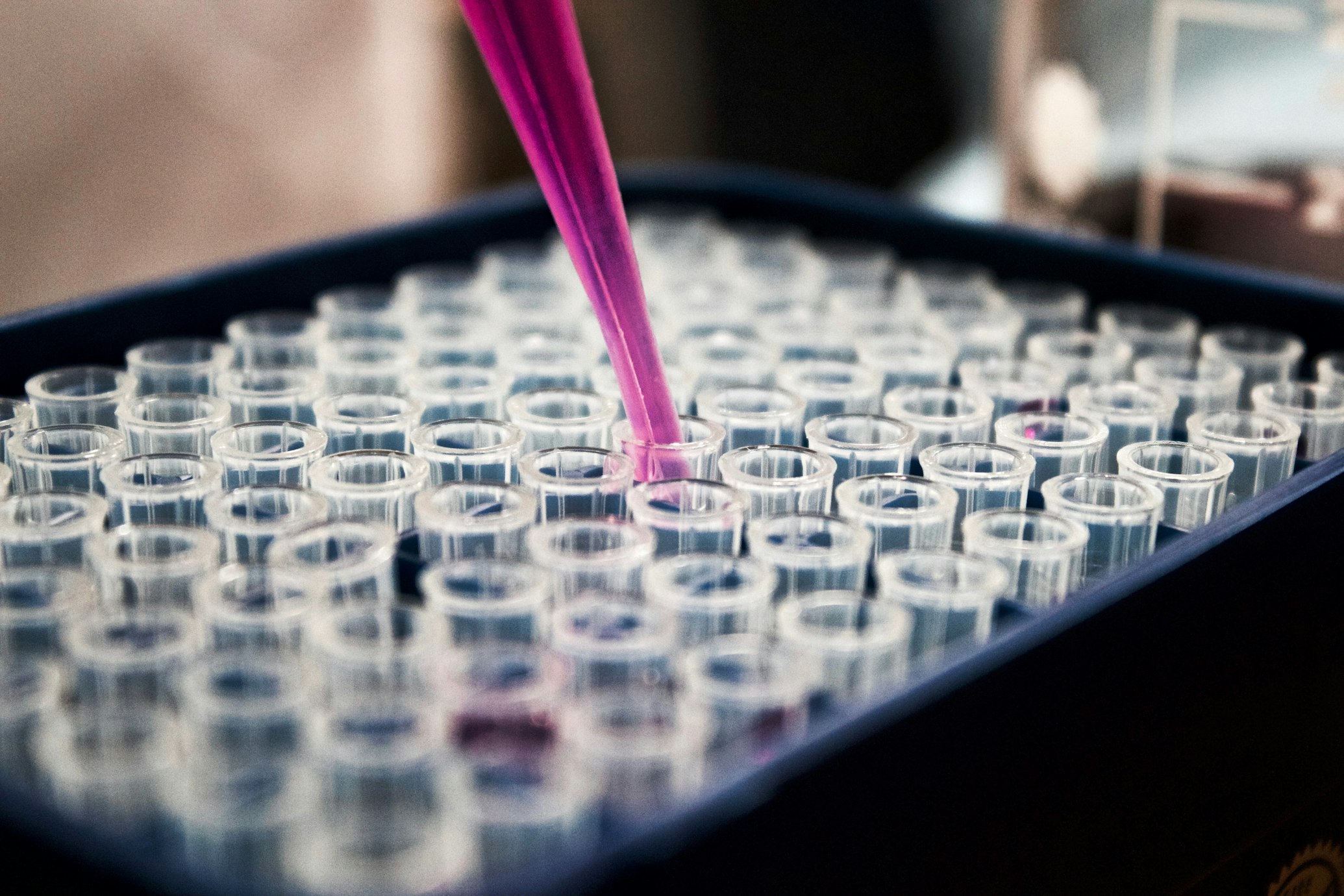
Figure 1: Fluorescence microscopy showing microtubule organization in plant cells (representative image).

Figure 2: Laboratory setup for studying plant-microbe interactions.
Beyond Structure: Shared Mechanisms and Signaling Secrets
The story of the cytoskeleton in mycorrhiza grows even more intriguing when we consider its unexpected connections to other biological processes. Recent transcriptomic studies have revealed a surprising overlap between the genes activated in arbuscule-containing cells and those involved in pollen tube development 1 . Both processes involve cells undergoing extreme polar growth and intimate interactions with another organism.
Transcriptomic Overlap
Gene expression patterns in arbuscule-containing cells show significant similarity to those in pollen tube development, suggesting shared evolutionary pathways.
Evolutionary Toolkit
Plants appear to have co-opted existing mechanisms for cytoskeletal remodeling from reproductive processes to manage symbiotic relationships.
The TSB protein itself appears to be a common player. Originally known for its role in pollen development, TSB is also specifically induced in mycorrhizal roots 1 . This suggests that plants may have co-opted an existing evolutionary toolkit for cytoskeletal remodeling—first developed for reproductive processes—to manage their symbiotic relationships.
Signaling in Cytoskeletal Rearrangement
Another major question driving current research is: What signals initiate these cytoskeletal changes? The mechanical stimulus of the fungus touching the plant cell likely plays a role, but evidence suggests it's not the whole story. The observation that microtubules also change in non-colonized cells adjacent to arbuscule-containing cells strongly hints at chemical signaling 1 .
Plant hormones are prime suspects in this regulatory process. A complex hormonal interplay occurs in mycorrhizal roots, involving strigolactones, auxins, gibberellins, and others 1 8 . Several of these hormones are known to influence microtubule organization, and their levels shift during mycorrhizal establishment. For instance, strigolactones—which are crucial for the pre-symbiotic dialogue between plants and AM fungi—have recently been shown to affect the organization of cortical microtubules 1 .
Key Signaling Molecules
- Strigolactones Primary
- Auxins Secondary
- Gibberellins Modulator
Research Tools: Unveiling the Cytoskeletal Framework
Advanced methodologies have been crucial in elucidating the role of the cytoskeleton in mycorrhizal symbiosis. Here are some key tools and techniques used in this research.
| Research Tool | Function/Application | Example in Cytoskeletal Research |
|---|---|---|
| Fluorescent Labeling (e.g., GFP-tagged tubulin) | Visualizing cytoskeletal structures in living cells | Tracking real-time MT rearrangements in arbusculated cells 1 |
| Oryzalin and Other MT-Disrupting Drugs | Chemical disruption of microtubule organization | Testing necessity of intact MTs for fungal colonization 1 |
| Antibodies against α-tubulin and γ-tubulin | Staining fixed tissue for microscopy | Quantifying increased tubulin in colonized cells 1 |
| Gene Silencing/RNA Interference | Reducing expression of specific genes | Determining function of MAPs like TSB 1 |
| Laser Scanning Confocal Microscopy | High-resolution 3D imaging of cellular structures | Observing detailed architecture of MT bundles around arbuscules 1 2 |
Imaging Techniques
Advanced microscopy allows visualization of cytoskeletal dynamics in real time.
Chemical Tools
Pharmacological agents help dissect the role of specific cytoskeletal components.
Molecular Approaches
Genetic manipulation reveals the function of specific cytoskeletal proteins.
Future Research Directions
| Research Direction | Key Questions | Potential Approaches |
|---|---|---|
| Identifying Signaling Molecules | What are the precise chemical and mechanical signals that trigger MT rearrangements? | Hormonal profiling; application of signaling inhibitors |
| Role of Actin Cytoskeleton | How does the actin filament network contribute to the symbiosis? | Live imaging with actin markers; pharmacological studies |
| Proteomic Analysis | What other microtubule-associated proteins are involved besides TSB? | Comparative proteomics of colonized vs. non-colonized cells |
| Conservation Across Species | Is the TSB mechanism conserved in all mycorrhizal plants? | Identifying and characterizing TSB orthologs in various species |
Conclusion: The Dynamic Framework of Symbiosis
The exploration of the cytoskeleton in mycorrhizal symbiosis has revealed a remarkable story of cellular dynamics. Far from being a static scaffold, the cytoskeleton is a dynamic, responsive network that directs the extensive cellular renovations necessary to host fungal symbionts. From guiding the construction of specialized interfaces to potentially facilitating the eventual turnover of senescent structures, the cytoskeleton manages the entire lifecycle of the intracellular relationship.
Agricultural Applications
Understanding cytoskeletal dynamics could lead to crops with enhanced mycorrhizal associations, reducing fertilizer needs.
Ecological Significance
This ancient partnership influences global nutrient cycles and ecosystem stability.
This knowledge isn't merely academic. As agriculture seeks to become more sustainable, there is growing interest in harnessing the power of mycorrhizal fungi to reduce dependence on chemical fertilizers 3 7 . Understanding the fundamental cellular processes that enable this partnership, including cytoskeletal remodeling, could inform strategies to enhance mycorrhizal associations in crops. By appreciating the sophisticated cellular railway that makes this ancient partnership possible, we gain deeper insight into one of nature's most successful symbiotic relationships—and how we might better harness it for a more sustainable future.
The Cellular Railway
A dynamic network that enables one of Earth's most successful partnerships between plants and fungi
References
1 Key research papers on cytoskeletal rearrangements in mycorrhizal symbiosis
2 Studies on microtubule organization and confocal microscopy techniques
3 Research on agricultural applications of mycorrhizal fungi
7 Studies on sustainable agriculture and reduced fertilizer use
8 Research on hormonal regulation of plant-microbe interactions